


 Share
Share

The internet found itself suddenly nostalgic over a small candy. During the recent Prime Minister Narendra Modi’s visit to Italy, he gifted Melody chocolates to Italian Prime Minister Giorgia Meloni, and suddenly social media flooded with “Melodi” jokes, memes and childhood nostalgia, which followed after it. In India, for many, Melody was never just another candy. It was the chocolate that was kept in tiny glass jars at the kirana shops in Moholla, the reward after the tuition classes and the one thing every child bought with pocket money.
The moment also reminded people how deeply 90s and early-2000s Indian candies continue living in the collective memory. Before the imported chocolates filled the shelves of supermarkets, India’s candy culture was created around the simple caramel toffees, fruity candies and also the quirky wrappers that nearly every child identified without fail. Many of these sweets tasted the same for decades, which is possibly why people still feel strangely connected to them even at present.
Melody
Melody became iconic due to its unique texture. It started with a bit of chewy chocolate coating before slowly turning into the soft caramel within. For many children, that change in texture itself felt compelling. The most famous one-liner, “ Y melody itni chocolaty kyun hai?” became a famous punch line among every 90's kid.
What made the melody even more memorable was its simplicity. It was affordable, easily available everywhere, and somehow always tasted richer. Even at present, people recall the exact feeling of slowly chewing the melody during school breaks or long auto-rickshaw rides back home.
Kismi
Kismi had a completely different personality. Instead of the chocolate, it focused on the buttery caramel and elaichi flavours that tasted oddly satisfying to grown-ups as well as to children at the same time.
The candy had a soft, a bit grainy texture and a fragrance that immediately stood out once the wrapper was opened. Many people link kismi with grandparents or old neighbourhood kirana stores because it felt old-fashioned even during the 90s. Yet that same classic flavour is exactly why people still recall it fondly, even today. Kismi did not try to taste modern, and that exactly became its appeal.
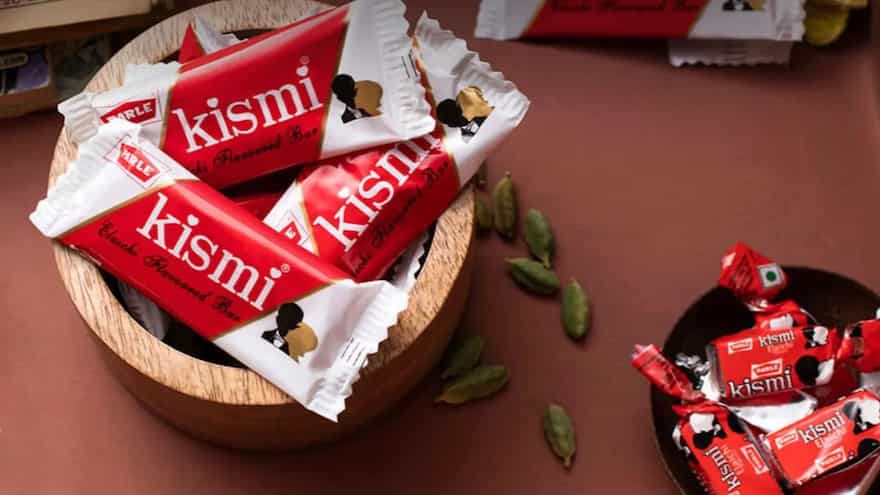
(Image credit: Official Website Of Parle)
Poppins
Poppins felt less like one candy and more like a whole colour palette, which appealed to every kid. The tiny roll, having multiple fruit flavours packed in bright wrappers, with children having strong opinions about which colour tasted the best. Orange and mango vanished first, while some people traded away the green ones.
Unlike the pricey chocolates, poppins felt playful as well as social. It was the kind of candy that was shared during bus rides, in classrooms and also as birthday return gifts. Even now, many adults recall opening a fresh poppins roll and immediately smelling that sharp, fruity sweetness, taking them down memory lane.
Mango Bite
Mango Bite witnessed something deeply Indian: the obsession with raw and ripe mango flavours. The candy had a balance between sweetness and slight tanginess in a way that actually resembled aam papad and the summer mango treats. For many children, mango bite was almost seasonal emotionally, even though it stayed available all year-round.
Its sticky texture meant people often kept chewing it far longer. It became particularly popular during school summers because it tasted refreshing when compared to heavier chocolate candies overpowering the shelves of the shop.
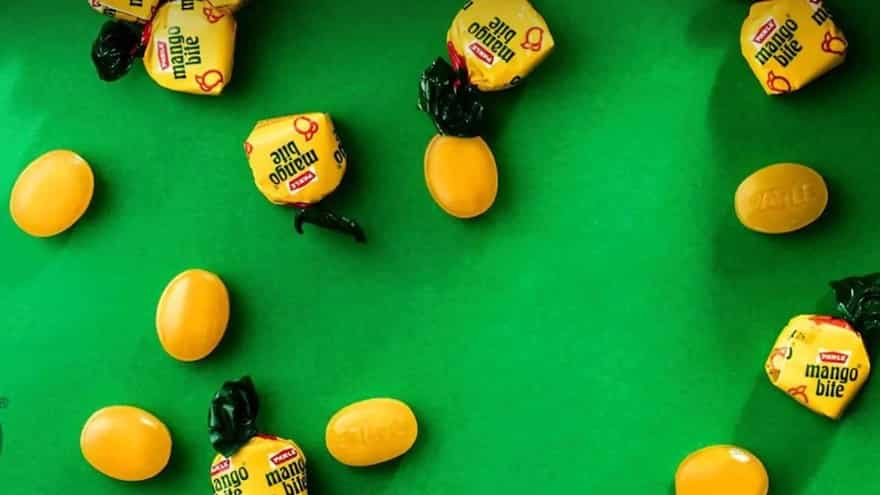
(Image credit: Official Website Of Parle)
Coffee Bite
Coffee Bite felt refined to children because coffee itself already seemed like an “adult” taste. The candy had a bittersweet roasted taste that stood apart from the fruity or caramel taste. Many people first experienced the coffee flavours through coffee bites rather than actual coffee drinks. It also had a bit firmer texture, making it last for a long while after eating. The candy quietly earned followers because its flavour profile felt unusual and also comforting at the same time. Even at present, coffee bite remains one of the strongest nostalgia triggers for many Indians.
Phantom Sweet Cigarettes
Phantom Sweet Cigarettes were less about the flavour and more about acting with it. With the chalky white candy sticks, children used to mimic, pretending to smoke. Looking back, the concept feels bizarrely comic today, but during the 90s, it was everywhere near school shops and also the toy counters.
The candy tasted a bit sweet and powdery, but children specifically bought it for the roleplay experience. Its nostalgia now comes more from the quirky cultural memory linked to it rather than just the taste.




