


 Share
Share

The human body operates on a sophisticated internal timer known as the circadian rhythm, which governs everything from hormone release to body temperature. While many people focus on light exposure for sleep, the timing of food intake is an equally powerful signal that tells our internal organs whether it is time to work or rest. In India, this concept is deeply rooted in the Ayurvedic principle of Dinacharya, which suggests that our internal digestive fire, or Agni, mirrors the movement of the sun. Circadian cooking is the practical application of this science, focusing not just on what we eat, but on when we prepare and consume it to stay in harmony with nature.

Image credit: Pexels, Freepik
The Core Principles Of Circadian Timing
To implement circadian cooking effectively, one must prioritise the timing of the largest meal. Research into chrononutrition suggests that insulin sensitivity is highest in the morning and early afternoon, meaning the body processes carbohydrates and sugars more efficiently during daylight hours. In an Indian household, this traditionally translates to a hearty lunch between noon and two in the afternoon, when the sun is directly overhead. Conversely, as evening approaches and light fades, the body begins to produce melatonin, which naturally suppresses insulin production. Therefore, circadian cooking advocates for a lighter, protein-rich dinner at least three hours before sleep to prevent undigested food from lingering in the system and causing metabolic stress.

Image credit: Pixabay
Creating Your Schedule: A Step-by-Step Guide
- Define Your Fasting Window: Aim for a minimum of 12 hours of digestive rest. If you finish dinner at 7:00 PM, do not consume anything other than water until 7:00 AM the next day.
- Anchor Your Lunch: Identify the time when the sun is highest. Schedule your largest, most complex meal for this window when metabolic rate and digestive enzymes are at their peak.
- The Two-Hour Sunset Rule: Aim to finish your final meal of the day within two hours of sunset. As natural light fades, your body prepares for cellular repair, not calorie processing.
- Audit Your Evening Light: Avoid bright overhead lights during your last meal. Dim lighting triggers the release of melatonin, signalling the gut to slow down.

Image credit: Pexels
Adapting Indian Cuisine For Biological Harmony
Implementing this method within an Indian culinary framework requires a shift in how we structure our daily Thali. Instead of the common modern habit of a heavy, late-night dinner consisting of oily curries and multiple rotis, the evening meal should focus on easily digestible items like moong dal khichdi or clear soups with seasonal vegetables. Spices also play a vital role in circadian cooking. Warming spices like ginger, cumin, and black pepper can be used during lunch to further stimulate the digestive fire, while calming herbs like fennel or cardamom are better suited for the evening. By shifting the bulk of calorie intake to the middle of the day, you allow your liver and gut to focus on repair and detoxification during the night rather than active digestion.

Image credit: Freepik
Weekly Meal Structure For The Circadian Indian Kitchen
- Monday: Vegetable poha for breakfast, a full thali with dal and sabzi for lunch, and moong dal chilla for dinner.
- Tuesday: Ragi porridge with nuts for breakfast, paneer tikka with sprouted salad for lunch, and bottle gourd soup for dinner.
- Wednesday: Moong dal idli for breakfast, rajma with brown rice for lunch, and stir-fried paneer with vegetables for dinner.
- Thursday: Stuffed paneer paratha for breakfast, millet khichdi with ghee for lunch, and clear vegetable broth for dinner.
- Friday: Besan chilla with ginger for breakfast, mixed vegetable curry with rotis for lunch, and mashed pumpkin soup for dinner.
- Saturday: Vegetable upma for breakfast, vegetable biryani with raita for lunch, and lemon-coriander soup with sprouts for dinner.
- Sunday: Misal pav for breakfast, traditional dal baati for lunch, and simple curd rice for dinner.
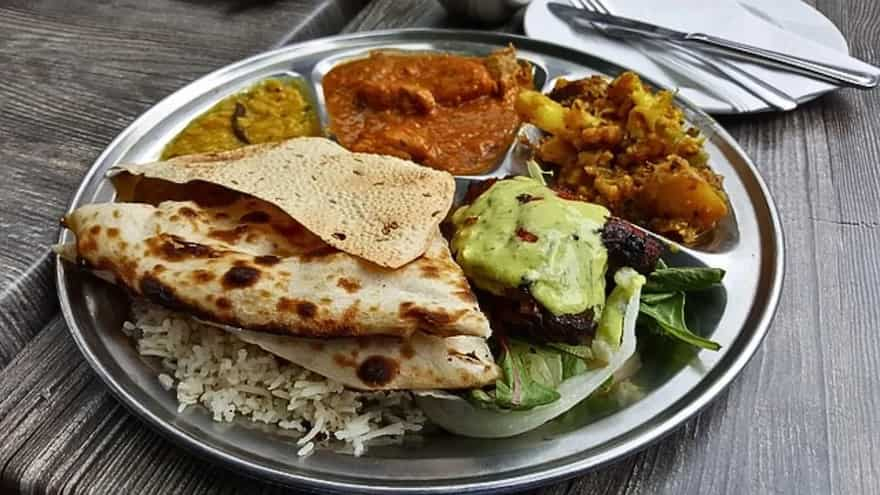
Image credit: Pixabay
Ten Key Benefits Of Circadian Eating
- Enhanced Insulin Sensitivity: Aligning carbohydrate intake with daylight hours helps maintain stable blood sugar levels.
- Weight Management: Eating during active metabolic hours prevents the storage of excess calories as fat.
- Improved Deep Sleep: An empty stomach at night allows the body to focus on neurological rest rather than digestion.
- Optimised Gut Health: Giving the digestive tract a 12 hour break promotes a healthier microbiome and reduces bloating.
- Reduced Inflammation: Proper timing reduces systemic oxidative stress, lowering the risk of chronic diseases.
- Increased Morning Energy: Waking up without the heaviness of an undigested late-night meal boosts natural alertness.
- Hormonal Balance: Synchronised eating supports the natural production of cortisol in the morning and melatonin at night.
- Better Cardiovascular Health: Avoiding late-night spikes in blood lipids can lead to improved heart health and lower cholesterol.
- Mental Clarity: Reducing blood sugar fluctuations throughout the day prevents the common afternoon brain fog.
- Liver Detoxification: A longer nighttime fast provides the liver with the necessary window to process toxins and regenerate.

Image credit: Pixabay
Practical Steps For A Modern Indian Lifestyle
Transitioning to circadian cooking does not require a complete overhaul of your pantry, but rather a disciplined approach to the clock. Start by establishing a consistent twelve or fourteen hour fasting window overnight, ensuring that breakfast occurs after sunrise. For busy professionals, this might mean packing a substantial lunch to eat at the office and preparing a simple, one-pot meal for an early dinner upon returning home. It is also beneficial to avoid blue light from screens during dinner, as this can confuse the brain and disrupt the hormonal signals required for proper nutrient absorption. Consistency is the most important factor, as the body thrives on predictable patterns that reinforce its natural biological heritage.
Please note that the information provided in this article is for educational purposes and is not intended as medical advice. Always consult with a qualified healthcare professional or a registered dietitian before making significant changes to your diet or lifestyle, especially if you have underlying health conditions.




