


 Share
Share

Making bajra roti may sound very simple until you actually start rolling it. The moment the dough starts cracking from the edges or sticking everywhere, many lose patience and switch back to the regular wheat roti. It feels safe and not messy at all. Bajra requires a different kind of attention, basically like working with something very delicate and a bit stubborn. One wrong move and it breaks, one extra flip and it turns too hard, almost like a disc. That is why so many people try to avoid it even though they love eating it, particularly in winter. The funny part? It is not that bajra roti is impossible to make; it just does not behave like the regular wheat flour, and that alone frightens people before they even try to make it.
But once you get the hang of a few small tricks, the dough suddenly listens to you, the roti remains as a whole without cracking, and you end up feeling a bit proud, like you’ve conquered a traditional winter skill that grandmothers always knew effortlessly.
Knead Dough With Warm Water
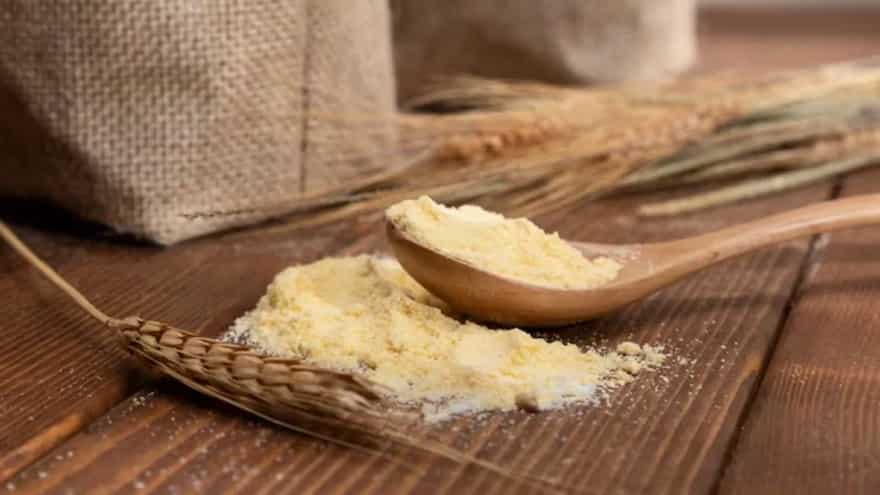
Bajra flour does not contain gluten, so it requires warmth to bind properly. Start by warming water, not too hot, just lukewarm and add it gradually to the flour while kneading. Warm water helps the flour to absorb the moisture, making it flexible instead of too crumbly. Bajra dough requires gentle pressing and not too tight kneading like the wheat flour. Once kneaded, keep the dough resting for about 10–15 minutes so that it settles. This small step can totally change the texture, making the bajra rotis hold their shape with firmness rather than breaking at the edges.
(Image credit: Freepik)
Use A Little Wheat Flour For The Surface
Instead of mixing the wheat flour into the dough, which eventually changes the taste, simply sprinkle a little on the rolling surface while rolling the roti. Wheat makes the grip without meddling too much with the natural flavour of bajra. Many people who mix wheat into the dough tend to lose its natural taste. This trick will keep the purity of bajra unchanged and still let the roti lift easily and take its shape without clinging to your hands or to the board, making rolling a stress-free experience even if you are a beginner.
Press With Fingers, Not A Rolling Pin
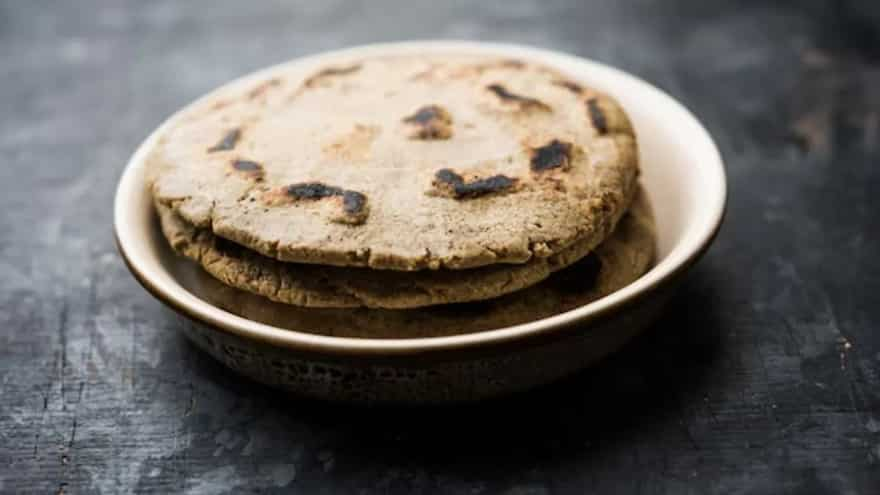
Rolling pins apply irregular pressure and cause the soft millet dough to crack. Bajra rotis demand the warmth and gentleness of your palms. After shaping the dough ball, press the exterior slowly, keeping the thickness even. Gradually dip the fingers in a little warm water if the edges begin to dry. Turning the roti continuously while pressing keeps the uniform shape of the roti. The more you touch the dough, the better the rolls will turn out. Bajra roti is a handcrafted food.
(Image credit: Freepik)
Cook On Medium Flame
Bajra requires patient cooking. If the flame is too high, it will burn from the outside while leaving the inside raw, making the roti tear apart. Begin on medium flame and let small bubbles appear, and then flip gently. Once it is slightly firm, put it directly on the flame with the help of tongs and cook. It will not puff like the usual roti because it is a bit thick. This step locks the moisture inside and keeps the roti soft for a longer period. Roasting a few extra seconds on the flame will make all the difference in its texture.
Apply Ghee Immediately
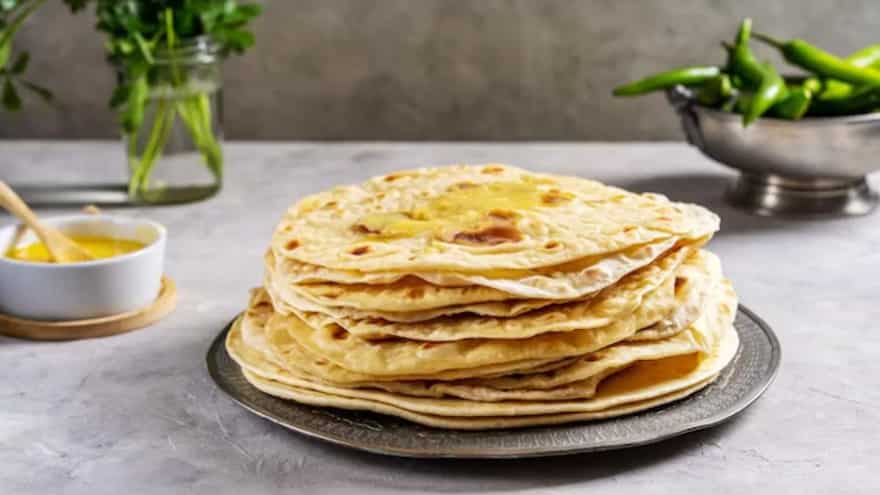
As soon as you take the bajra roti off the flame, brush it with ghee instantly. Millet cools down very fast, and the rotis will become dry if left uncovered. Ghee seals the moisture and will make the rotis soft for a longer duration, particularly during the winter season when bajra tends to stiffen too soon. Keep the rotis in a cloth-lined box, so the steam stays. This trick keeps them warm, loose, and tear-free till the very last bite.
(Image credit: Freepik)




