Share
Share

In many Indian households, a kettle is used for boiling water, making masala chai, or sometimes heating milk. Kettles like the Usha Programmable Kettle come with temperature controls and keep-warm settings, making them even more useful than basic models. These features allow you to prepare light meals and warm snacks without using a stove. This is helpful for students, office-goers, and people living in small flats or PGs. Some may not have regular access to a kitchen, but they still want warm and filling food. A programmable kettle becomes handy in such situations. It saves time and also cuts down on the need for many utensils.
Masala Chai Without The Gas Stove
Masala chai is one of the first things people try making in a kettle. You can add water and the usual spices like crushed ginger, cardamom, clove, cinnamon, and black pepper. Once the water is boiling, add tea leaves and a splash of milk. Some kettles allow you to choose exact temperatures. You can use this setting to avoid boiling over. If your kettle has a wide opening and no exposed coil, you can even let the tea brew with the spices for longer. This works best in glass or steel kettles with adjustable heat levels. After a few minutes, pour the tea using a strainer and enjoy it with toast or biscuits.
Ramen, Maggi, And Desi Instant Noodles
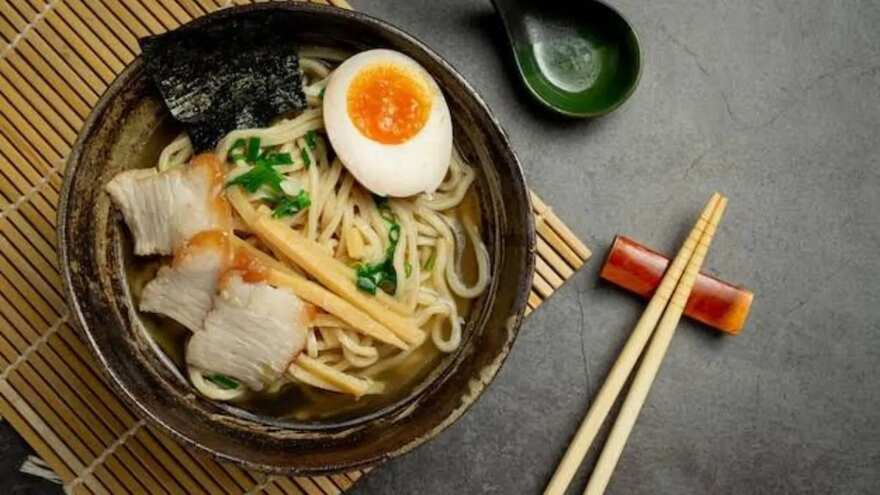
Instant noodles are a quick fix meal, and a kettle does the job well. Start by boiling water with the spice mix. Add the noodles after the water heats up. Some kettles shut off automatically after boiling. Let the noodles sit in the hot water for a few minutes with the lid on. For softer noodles, you can switch the kettle on again for a second boil. People often add toppings like boiled eggs, chopped vegetables, or cheese. You can pre-cook these separately or prepare them using hot water and keep-warm settings. Kettles with a wide mouth are better for this as they are easier to clean after cooking noodles.
Oats, Dalia, And Ready Breakfast Mixes
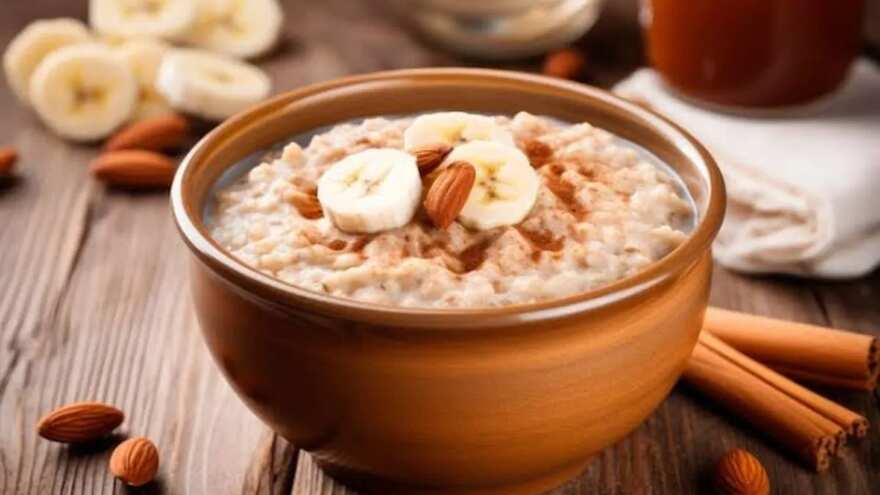
For people on the move, oats and ready mixes can be filling. Add rolled oats or instant oats into a bowl, then pour hot water from the kettle. Let it soak for 5–6 minutes. You can add honey, fruit, or dry fruits for extra flavour. Some people use powdered jaggery or cinnamon as well. For salty versions, add salt, pepper, and crushed vegetables like carrots or peas. You can also use ready-to-eat packs like masala oats or poha. Pour hot water over the mix, stir well, and let it sit. These are good options for those who want something warm without cooking on a flame. Make sure to check the packet instructions and use the right water quantity.
If you don’t have Usha’s Programmable Kettle, Shop Now  .
.
Soups And Healing Drinks
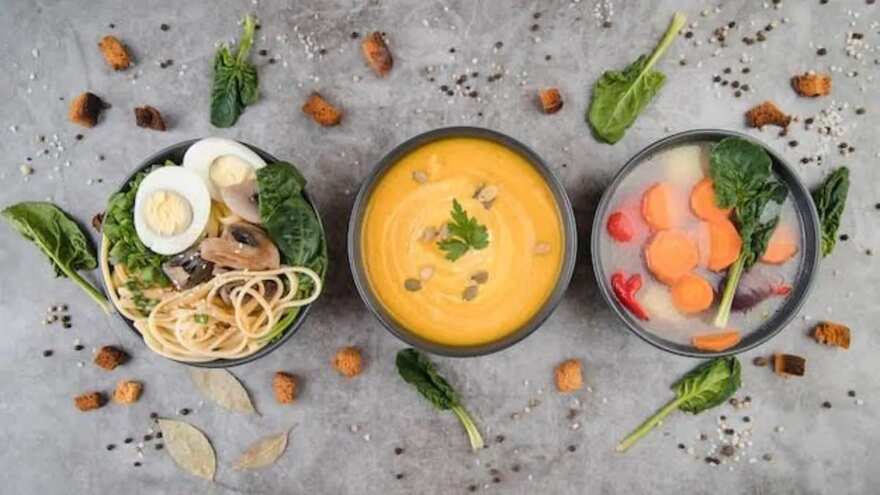
Powdered soup packets mix well with boiling water. Add the powder into a mug or bowl, pour hot water from the kettle, and stir. Some people add corn, carrots, or spinach to make it more wholesome. Traditional drinks like kadha or tulsi tea can also be made by boiling herbs, spices, and ginger in the kettle. You can use fresh ingredients or ready-made herbal mixes. Keep the lid closed while it brews. For digestion, some people make jeera water or ajwain water in the kettle and keep it warm for sipping during the day. The temperature settings are useful for keeping these drinks warm without reboiling them.
Boiled Eggs And Basic Vegetables
While you cannot fry or sauté anything in a kettle, you can boil eggs or soft vegetables. Place the eggs in the kettle and fill it with enough water. Turn it on and let the water boil. Then close the lid and keep the eggs in hot water for 10–12 minutes. For soft-boiled eggs, reduce the time slightly. To boil vegetables, cut them into small pieces and soak them in hot water. Broccoli, beans, spinach, and carrots can become soft enough to eat after 5–7 minutes. You can also steam idlis or small dhoklas using a metal sieve over the kettle mouth, but only if the design allows it. Be careful with open-coil kettles, as these are not safe for such methods.