


 Share
Share

In many Indian households, mornings are rushed. For students, professionals, and those staying in PGs or rented flats without access to a full kitchen, a programmable kettle, like the Usha Programmable Kettle, often becomes the most used appliance. While most people use it to make tea, coffee or instant noodles, a programmable kettle can also prepare surprisingly wholesome meals, especially breakfast. These kettles allow you to control the temperature and cooking time, which makes them safe and functional for more than boiling. If you use ingredients that cook quickly and require only hot water or gentle heating, you can manage entire meals in one pot. From oats and poha to egg-based recipes and moong dal dishes, there are several options that are healthy, filling, and made using minimal equipment. These recipes are ideal for those living in hostels, working late-night shifts, or looking to simplify their morning routine.
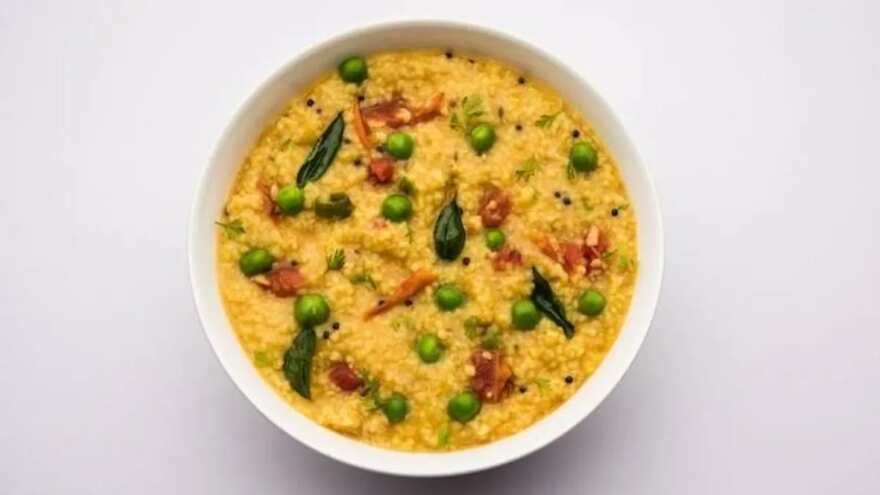
Oats And Vegetable Porridge
Rolled oats or quick-cooking oats can be cooked easily in a kettle, and they absorb flavours well. You can add finely chopped vegetables such as carrots, beans, peas, or spinach to make the porridge more nutritious. Start by adding half a cup of oats to the kettle, along with one and a half cups of water. Add a pinch of salt and turmeric, and stir in the vegetables. Use the programmable kettle’s boil function, and let the oats cook for five to six minutes. Most kettles turn off automatically when the water reaches the boiling point, so you may need to switch it on again once or twice depending on the model. Stir with a wooden spoon and close the lid for a few minutes to let the vegetables soften in the steam. Once done, you can top it with roasted cumin powder, lemon juice, or a little ghee. This porridge is easy to digest, high in fibre, and keeps you full through the morning.
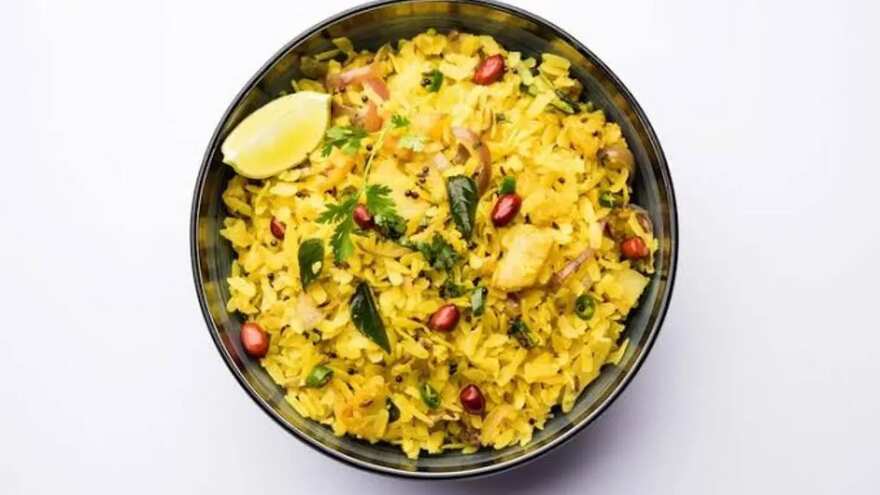
Poha With Peanuts And Green Peas
Flattened rice, or poha, does not need actual cooking, and it can be prepared with hot water in a kettle. Begin by rinsing the poha quickly in a sieve under running water. Then transfer it to the kettle with half a cup of green peas, a pinch of turmeric, salt, and roasted peanuts. Pour just enough boiling water to soak the poha, not more. Cover the kettle and allow the mixture to sit for about five to seven minutes. The steam will soften the rice and peas. After the wait, open the lid and stir gently with a wooden or silicone spoon. Squeeze fresh lemon juice and mix in chopped coriander. You can also add a spoon of dry roasted jeera or a little powdered chilli for flavour. This version of poha is light, high in carbohydrates, and offers protein from the peanuts and peas, making it a good vegetarian breakfast option.
If you don’t have Usha’s Programmable Kettle, Shop Now  .
.
Boiled Eggs With Spiced Yoghurt
Programmable kettles can easily boil eggs, and if your model has temperature control, you can decide the doneness. Place eggs in the kettle and cover them with water. Set the kettle to boil and leave the eggs inside for around ten to twelve minutes for a firm texture. Once boiled, remove and cool under running water. Peel the eggs and slice them in half. In a small bowl, whisk curd with salt, roasted cumin, and a pinch of black pepper. Place the egg halves in this spiced yoghurt. Let it sit for a few minutes. This dish works well for those following high-protein diets and also suits people who prefer a breakfast with probiotics and less carbohydrates. You can pair this with a small serving of soaked poha or whole grain toast if available.

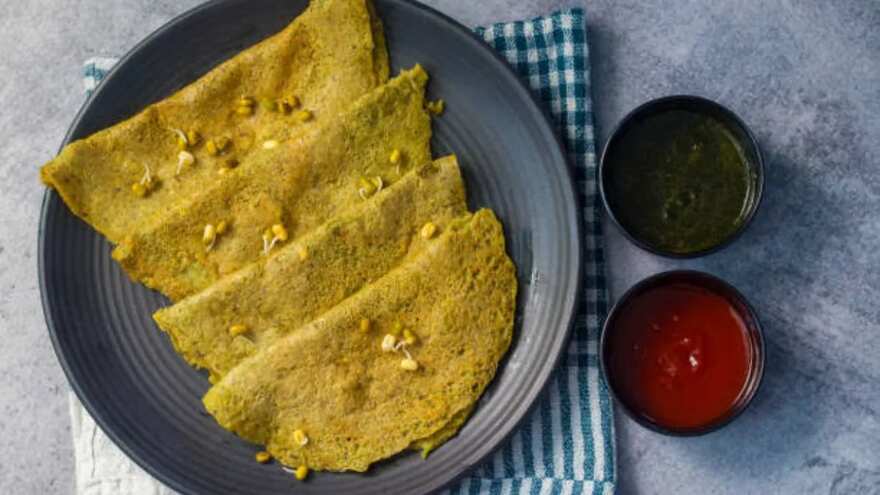
Steamed Moong Dal Chilla Batter
If you soak split yellow moong dal overnight and blend it with a few spices in advance, you can use the kettle to gently steam the batter in a bowl placed inside. This trick works for kettles with wider openings. Fill the kettle with an inch or two of water and place a steel or silicone bowl with batter inside, resting it carefully. Close the lid, set the boil mode, and let it steam for around ten minutes. Check once in between to make sure the water hasn’t dried up. Once the batter firms up like a dhokla or steamed pancake, you can eat it as a chilla substitute. Add ginger, chillies, or grated carrot to the batter to make it more filling. This recipe provides protein and fibre, and steaming helps retain the nutritional value of the lentils. It is also easy to digest, especially when eaten warm.
Vegetable Dalia In Kettle
Broken wheat or dalia cooks well when soaked and slow-steamed in a kettle. Use a smaller quantity if your kettle has a lower capacity. Soak the dalia for an hour before cooking to speed up the process. In the kettle, add chopped vegetables like tomato, carrot, and green beans, along with the soaked dalia and enough water to cover the contents. Add a little salt and a small pinch of turmeric or ajwain. Start the kettle and let it boil, then turn it off and let the mixture rest for a few minutes. Repeat this two or three times to allow the dalia to absorb water and soften. Once thickened and soft, it can be served plain or with a spoon of curd. Dalia is rich in fibre, promotes slow release of energy, and is suitable for those managing weight or sugar levels.




