


 Share
Share

You would have often thought about making cheese at home, but may have felt underconfident about it. You think of special equipment, detailed steps, or a feeling of what happens if something goes wrong halfway through. Standing in the kitchen with a pot of milk, you may have thought is it worth giving a try. But here's what the truth is: making cheese at home is far easier than it may sound, and also a surprisingly enjoyable process. With just milk, a little heat, and everyday kitchen ingredients, you can change something familiar into something fresh and homemade.
There is something extremely satisfying in watching milk slowly curdle, and you realise that it actually does not need any fancy tools or experienced skills that you have been fearing. These methods are easy and perfect if it's your first time making cheese at home.
The Lemon-And-Milk Method
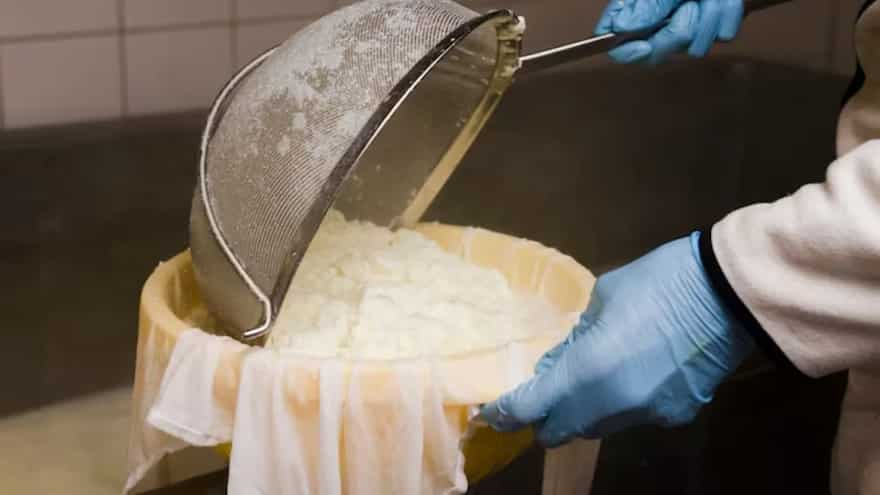
This is the most effortless place to begin with if you have never made cheese at home before. In a pan, heat full-fat milk, but not boiling, then add fresh lemon juice slowly. As soon as you add the lemon juice, you will notice the milk splits into soft curds and watery whey. Turn off the heat, and let it rest for a while. With the help of a clean cloth, squeeze out excess liquid and let it set for some time. What you get in return is a fresh cheese that tastes milky. It is perfect if you are making it for the first time because it shows results soon and builds confidence in making it for the next time.
(Image credit: Freepik)
The Vinegar Shortcut For Quick Results
If lemons are not available, use vinegar. It works as well and gives firmer curds. Heat the milk slowly and add a teaspoon of vinegar to it, and stir once or twice. Keep in mind not to overmix. When the milk separates clearly, simply strain it. The cheese holds its shape well and works perfectly for cooking. If you are a newbie thinking of making cheese at home, this method will teach you timing and heat-controlling tips without requiring any accuracy, making it a stress-free method to know how milk gets changed into cheese.
The Yoghurt-Helped Method For Better Texture
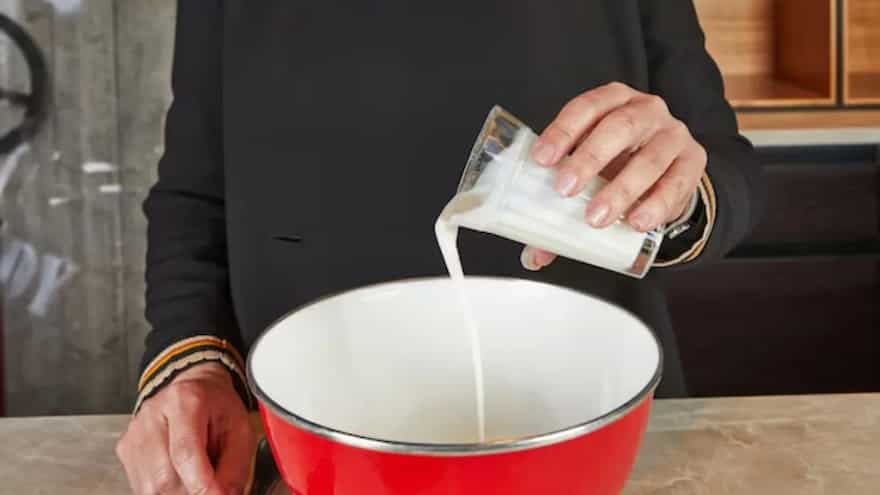
This method utilises a spoon of plain curd or yoghurt that helps the milk get a thick consistency naturally. Simply warm the milk, stir in yoghurt, and keep it on very low heat until it begins to curdle gently. It takes a little longer than the lemon or vinegar method, but it gives a smoother, creamier texture. This method is ideal if you like soft flavours with a smooth finish. As a beginner, you will enjoy this process because it feels less tricky than using the acids and allows you to understand patience in cheese-making without involving any complicated steps.
(Image credit: Freepik)
The Overnight Set-And-Drain Method
If you do not want to stand near the stove, this method can work perfectly for you. Warm milk slightly and add an acidic agent to it, cover, and let it rest overnight. By morning, the curds and whey will naturally separate. Strain and press lightly. This is a slow process that feels effortless and can suit if you are beginners who prefers hands-off cooking. It also helps you know how time impacts texture. The cheese from this method tastes gentle and fresh, making it perfect for spreads, sandwiches, or homemade pizzas.
The Press-And-Shape Method
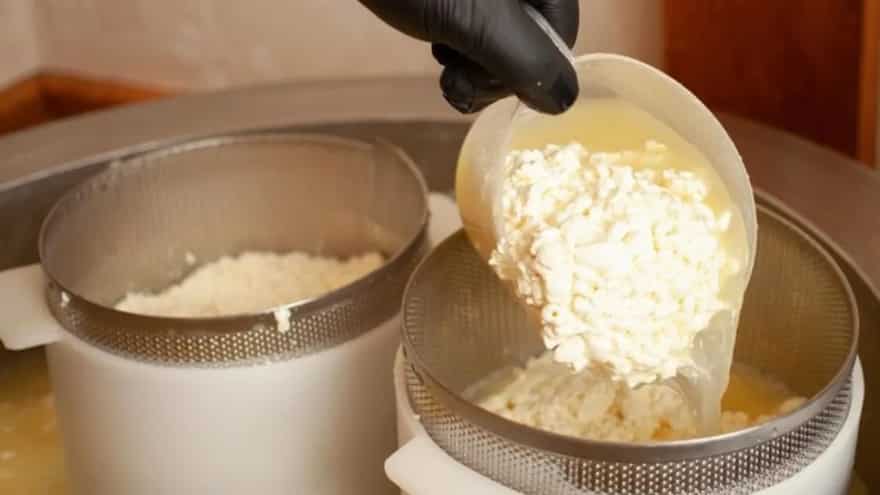
Once you get your hands on making curds, this method helps you get better cheese. After straining, cover the curds tightly in a piece of cloth and keep a small weight on top for a few hours. This helps in pushing out the excess moisture and helps the cheese hold onto its shape. It is still a beginner-friendly approach, but it adds one extra step, which does not feel too much at all. This method teaches you about the control, i,e,e how pressing changes the texture, without requiring any special equipment.
(Image credit: Freepik)




