


 Share
Share

Makar Sankranti is the time when the sun turns northward, mornings feel more sunny, and the body asks for food that can warm and restore. This is where khichdi deserves its place. Neither festive luxury nor everyday practice, khichdi resides comfortably in between. It is gentle on digestion after heavy winter meals, and nourishing enough to mark the change in season. Prepared with freshly harvested grains and lentils, it reflects thankfulness for abundance while respecting the body’s slower winter rhythm. On Sankranti, khichdi is not about simplicity, but it is about balance.
Soft textures calm the system, ghee adds to the warmth, and slow-cooked grains hold the heat for longer, making every bite feel grounding. Whether eaten after morning rituals or shared as a midday meal, khichdi helps in resetting both appetite and energy. It’s food that listens to the season, quiet, steady, and extremely comforting, just as the festival intends.
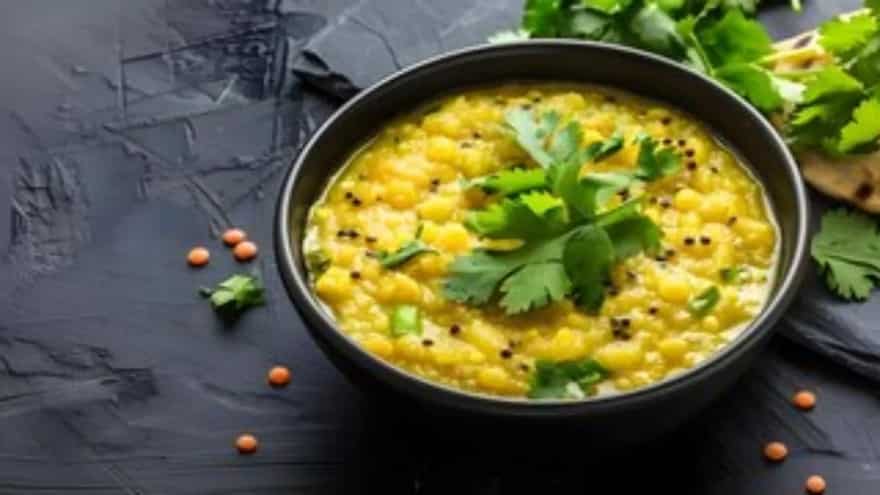
Urad Dal Khichdi, North India
Urad dal khichdi is winter comfort at its richest. Prepared with whole urad dal and rice, it cooks slowly, turning creamy without requiring excess ghee. On Makar Sankranti, it represents warmth and nourishment as the sun begins its northward journey. The earthy urad dal holds the heat longer, making it perfect for cold winter chilly mornings and ritual feasts. Eaten with a dollop of ghee, pickle, or a drizzle of mustard oil, this khichdi feels grounding and exactly what the body desires when seasons shift, and digestion requires reassurance.
(Image credit: Freepik)
Bajra Khichdi, Rajasthan & Gujarat
Bajra khichdi is particularly created for winter stability. Pearl millet thickens the dish, giving it a grainy texture and a nutty depth that remains warm long after cooking. Traditionally prepared during Sankranti, bajra khichdi reflects the harvest of hearty winter grains. The khichdi pairs taste best when paired with ghee and garlic chutney, making it hearty enough. Bajra helps in slowing down the digestion, keeping the energy steady, which is why this khichdi feels less like fasting food and more like a celebration of strength and season.
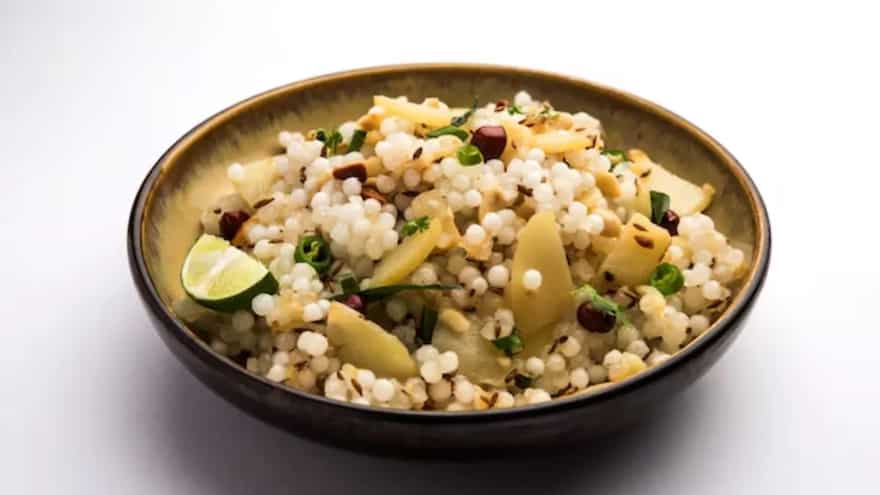
Sabudana Khichdi, Maharashtra
Sabudana khichdi appears to be light, but it is surprisingly celebratory. Prepared with soaked tapioca pearls, peanuts, and mild spices, it is eaten on Sankranti for its purity as well as energy-boosting quality. The tapioca pearls change into translucent and fluffy, soaking up the flavour without being too heavy. Sabudana khichdi suits the festive mood, which is simple, sattvik, and satisfying, particularly for those observing the rituals while still looking for something comforting and satisfying.
(Image credit: Freepik)
Moong Dal Khichdi, Pan-India
Moong dal khichdi is the soft reset meal on Sankranti. It is light, mildly spiced, and easy on the stomach; it helps the body to adjust to seasonal change after heavy winter foods. Cooked with short-grain rice and yellow moong dal, it changes creamy without being too heavy. Moong dal khichdi is often paired with ghee, curd, and other seasonal vegetables. This khichdi does not demand attention, but it soothes calmly, making it ideal for mornings that start with prayers, sun salutations, and mindful eating.
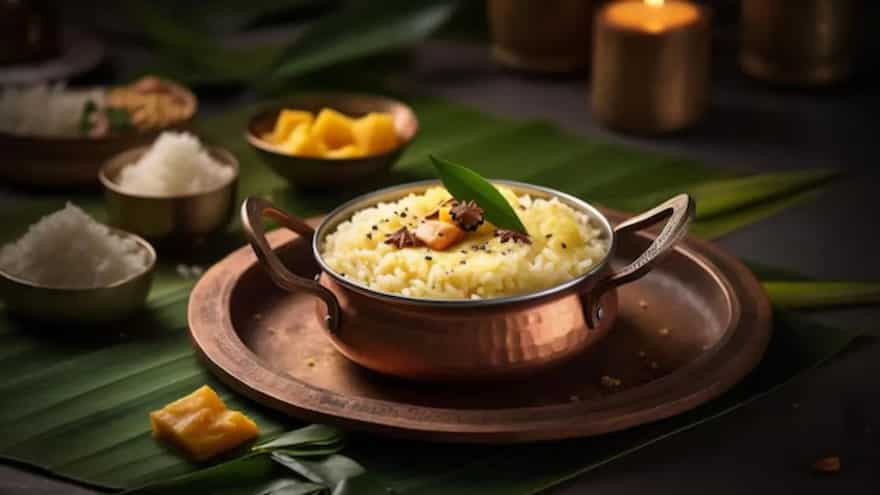
Pongal Khichdi, Tamil Nadu
Pongal is Sankranti’s most joyous khichdi. Prepared with rice, moong dal, ghee, pepper, and cumin, it is cooked until soft and shared straight from the pot. Prepared during Pongal celebrations, it marks thankfulness for harvest and sunlight. The fragrance of ghee and pepper warms the winter air, whereas cashews add to the richness. Unlike everyday khichdi, Pongal is festive; it is loud, aromatic, and joint - meant to be eaten hot, with coconut chutney and laughter around the table.
 (Image credit: Freepik)




