


 Share
Share

In Maharashtrian homes, Makar Sankranti is not celebrated alone by decorations, but it also arrives in the kitchen. The nutty fragrance of roasted sesame seeds, the slow bubbling of jaggery, and ghee sizzling on hot tawa signal a shift in the season. These dishes are not only festive alone, but they’re carefully selected winter foods that are meant to warm the body from within, strengthen the immune system, and mark the harvest’s wellspring. Every bite holds symbolism - sweetness to soften connections, sesame to cut through the winter chills, and ghee that nourishes after long, cold days.
Unlike modern lifestyle, traditional Sankranti recipes require patience, slow cooking, gentle kneading, and conscious cooking. From poli that is shared with neighbours to enjoying sesame in sweet as well as savoury versions, Maharashtrian Sankranti food reflects balance, appreciation, and peaceful joy. These dishes are not just enjoyed, they are exchanged and recalled, making the festival deeply rooted in seasonal wisdom.
Tilgul Poli
Tilgul Poli is a centrepiece in the Maharastrian household during Sankranti, representing warmth, unity, and sweetness in relationships. Prepared with whole wheat dough and stuffed with roasted sesame seeds, jaggery, and peanuts, it depicts the winter season, where sesame warms the body, whereas jaggery delivers energy. The poli is rolled thin and cooked slowly on the tawa, generously with ghee. Unlike the laddoos, the tilgul poli feels festive as well as filling, often served as a breakfast on the Sankranti day.
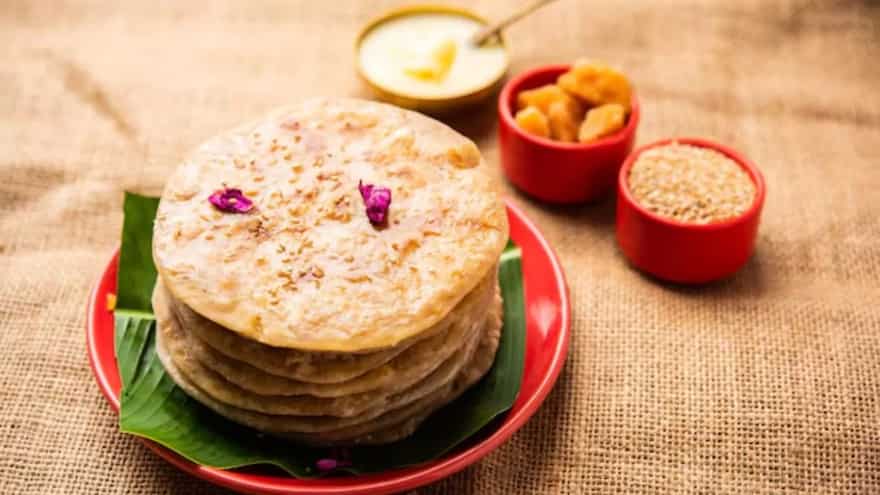
(Image credit: Freepik)
Gul Poli
Gul Poli is prepared with a soft stuffing of jaggery, chana dal, coconut, and cardamom inside the dough, just like the classic puran poli. It is richer than regular puran poli as it is created for winter indulgence when the body requires warmth and supported energy. The jaggery melts into a deep, caramel-like sweetness, whereas coconut adds to the moisture and the texture. It is cooked with a generous amount of ghee and enjoyed hot, often after the kite-flying. Gul Poli represents abundance after harvest and is believed to be grounding, soothing, and festive.
Tilachi Bhaji
Tilachi Bhaji is a lesser-known but deeply traditional dish where seasonal vegetables, such as cabbage, beans, or ridge gourd, are tossed in roasted sesame paste, garlic, and basic mild spices. This dish perfectly balances the sweetness and nuttiness, carrying sesame beyond just the sweets. Prepared quickly, tilachi bhaji represents how Maharashtrian kitchens use til for warmth without making it too complicated. The sesame paste covers vegetables with a creamy, nutty flavour, making it perfect for winter lunches that you have sitting on the terrace while enjoying the sun.
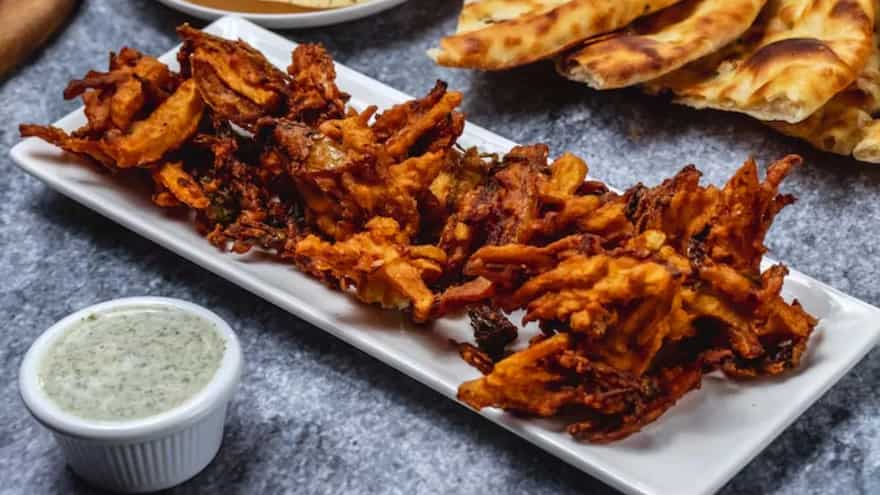 (Image credit: Freepik)
Til-Gulachi Vadi
Unlike the traditional laddoos, til-gul vadi is set flat, cut into a square shape, and often prepared in advance for the Sankranti festival. Prepared by melting jaggery and mixing it with roasted sesame seeds, peanuts, and often dry coconut, the mixture is flattened and sliced when it is warm. The taste is earthy, nutty, and intensely caramelised, with a slight chew that you will enjoy. This dish is easy to distribute, store for a longer time, and share as a token of love with your loved ones.
Khobra Pak
Khobra Pak is a classic Maharashtrian winter sweet where fresh coconut is slow-cooked with jaggery, ghee, and cardamom until it gets a thick and fudge-like consistency. While sesame is seen everywhere on Sankranti, coconut perfectly balances the heat with its richness and moisture. The preparation demands patience, stirring until the mixture leaves the pan, making it a work-of-love sweet. Soft and thick, khobra pak can be cut into diamond shapes before serving.

(Image credit: Freepik)




