


 Share
Share

The Lunar New Year is one of the biggest Asian cultural celebrations across the world. The holiday signifies fresh starts and the renewal of prosperity, happiness, and health. It's the time of rebirth and optimism. It is time to move on from the past and anticipate a year brimming with opportunities. It is still the Year of the Snake at the beginning of 2026. 17 February will mark the start of the Year of the Fire Horse, which will end on February 5, 2027.
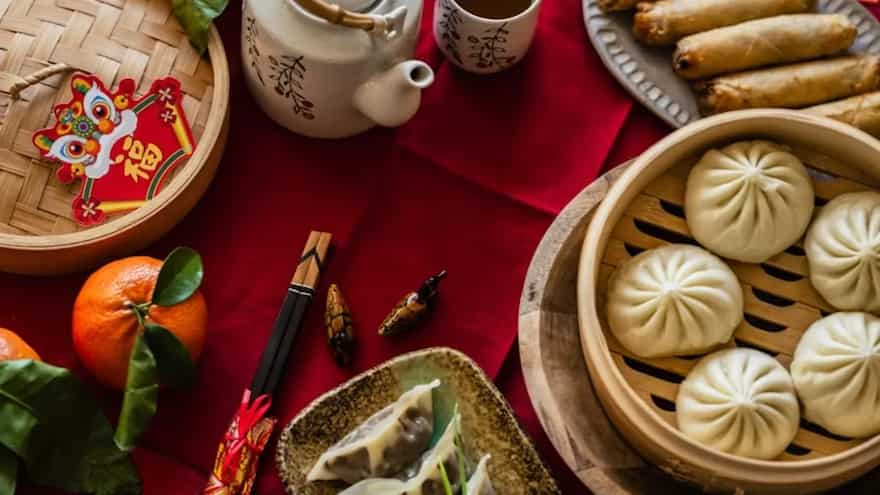
Image Credit: Unsplash
It's interesting to note that the Fire Horse year begins and finishes with a "ring of fire" annular solar eclipse, which can be seen in Antarctica in 2026 and throughout South America and West Africa in 2027. Chinese New Year starts with the New Moon and is based on the lunar calendar. The ceremonies last 16 days and culminate with the Lantern Festival on March 3, 2026, which corresponds with the full moon known as the Worm Moon. A total lunar eclipse, popularly known as a "blood moon," will occur on this full moon.
Each year in the 12-year cycle of the Chinese Zodiac, or Sheng Xiao, is symbolised by an animal, beginning with the Rat. The five elements, wood, fire, earth, metal, and water, rotate with the animals to create a 60-year cycle. The Year of the Fire Horse thus makes a comeback for the first time since 1966. The richness of Chinese culture comes from spending time with your loved ones, and what better way to dive into the festivities than food? To get you started on the festive vibe, here is a curated list of delicacies eaten during this 16-day-long celebration, along with their significance:
Whole Steamed Fish
Preparing a whole steamed fish is a statement of surplus, which is usually appreciated towards the end of the year in the hopes that it will draw more guests in the coming year. The Chinese people enjoy having a surplus at the end of the year because they believe that if they are able to save anything, they will be able to earn more the following year. Carp and catfish are preferred fish because their names resemble "good luck," "gifts," and "the year's excess." The fish must be steam-cooked, and it's great if there are any leftovers, especially the tail.
Braised & Roasted Chicken
To represent "unity" and "wholeness," as well as a "wonderful beginning and conclusion," chicken is typically served whole, head and feet included. For a dinner during a reunion, chicken is often braised or roasted with basic seasonings like ginger or soy. A whole chicken is traditionally presented first to one's ancestors and gods for blessings and protection. Intriguingly, the family's primary provider often eats chicken feet because they could enable them to "grab" money, where the word "grab" is a homophone of the chicken's "talons".
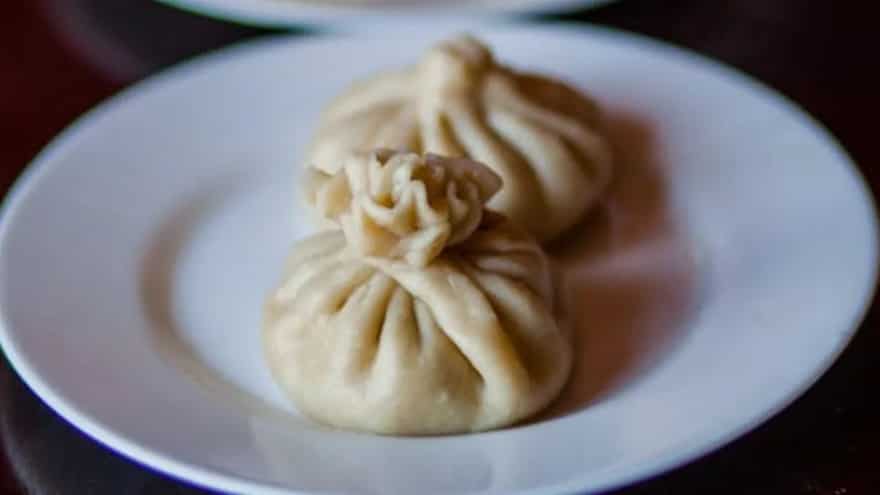
Image Credit: Pexels
Dumplings
Dumplings have been eaten in China and Hong Kong for more than 1,800 years and are considered a fortunate meal for the Lunar New Year. You can make Chinese dumplings resemble Chinese silver ingots (which are not bars but boat-shaped, oval, and turned up at the two ends). According to a Chinese folktale, the more dumplings you consume when ringing in the new year, the more money you'll be able to make. Typically, dumplings are made of finely chopped veggies and minced meat that are encased in a thin, elastic dough casing. Minced pork, diced shrimp, fish, ground chicken, and veggies are common fillings.
Long Noodles
Another essential food item for the Lunar New Year is long-life noodles. These uncut, lengthy wheat noodles are symbolic of long-life hopes. We mean it when we say something is lengthy. A noodle may grow to a maximum length of 60 cm (2 feet), and breaking one during cooking is not advised. They may be stir-fried or boiled in a broth with a soy sauce flavour. You can add as many meats and veggies as you choose.
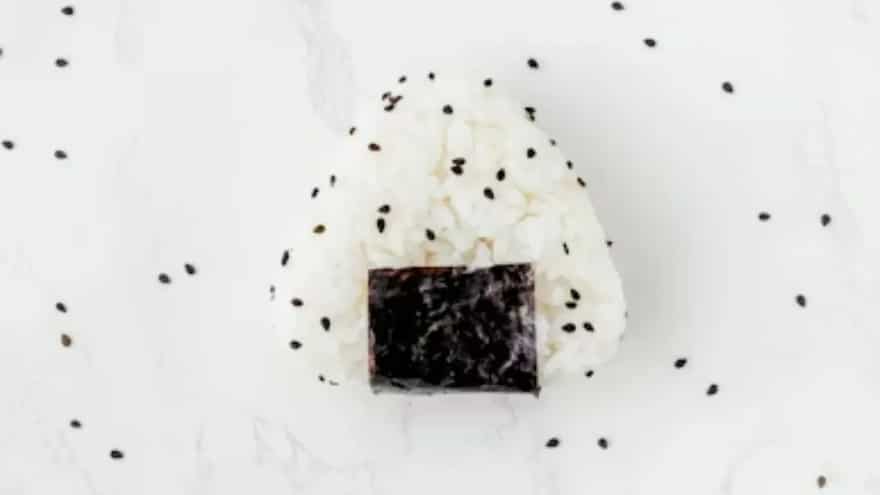
Image Credit: Pexels
Rice Balls
Tang yuan, or sweet glutinous rice balls, are symbolic of family unity. Their name sounds similar to the term for "reunion," and their circular form represents oneness. They frequently contain a sweet filling composed of peanuts, sesame, or sweet bean paste. While white is the traditional "tang yuan," pink, green, and orange variations are also produced. They can be offered either dry or with syrup.
Chinese New Year Cakes
"Nian Gao" or the new year cakes, are a favourite for New Year's festivities because their name is close to the phrase "higher year." The phrase denotes the optimism that the upcoming year will be better than the previous one. These glutinous rice cakes are delicious, and the most basic version is just glutinous rice flour, sugar, and water steamed on a lotus leaf. Chestnuts, Chinese dates, and other fruits and nuts are potential additions. The cakes are consumed in hopes of bringing pleasure, prosperity, and good health.




