


 Share
Share

The everyday rising cost of cooking in Indian households is not just limited to LPG cylinders anymore. Over the past few weeks, many households and small food businesses have been feeling the pressure of the rising fuel costs, along with a constant rise in everyday kitchen staples. As per the recent developments, the cost of an LPG cylinder prices are skyrocketing, with domestic cylinders crossing Rs 2000 or even more in many cities. This shortage is linked to global supply troubles that have made access unpredictable, forcing both homes and eateries to rethink how they cook and eat, because it is an essential part of everyday life.
What makes this situation even more complex is the ripple effect, i.e. when fuel prices increase, transportation and farming costs also rise, which pushes up the food prices altogether. The result is a kitchen where almost everything, right from cooking gas to the ingredients, feels more expensive than ever.
Know Why LPG Is Getting Expensive
The current LPG price surge is mainly linked to global tensions. India imports about 60% of its LPG, and supply chains have been hit due to geopolitical tensions affecting the important routes like the Strait of Hormuz. This has led to both price hikes and shortages across cities.
Not only this, but at the same time, other kitchen staples such as induction cooktops, etc., are also becoming costlier due to the rise.
Hacks To Cook Without Depending On LPG And Other Kitchen Essentials
Here are useful ways to cook smarter and reduce dependence on LPG and other kitchen essentials.
Sandwich Toaster/Grill
In many metropolitan kitchens, sandwich toasters and grills can be found easily and are also replacing the demand for a stove for smaller meals. From quick vegetable sandwiches to reheating the leftover parathas or cutlets, these devices offer a functional way to cook without using LPG, even for the simplest things like reheating. They heat up fast, utilise less energy, and are perfect for single-serve or snack-sized portions. For families trying to stretch a cylinder a little longer than its life, this becomes an easy, everyday solution rather than a rare tool. At this point, you should not look at fancy recipes, but focus more on managing daily hunger with little fuel dependency.
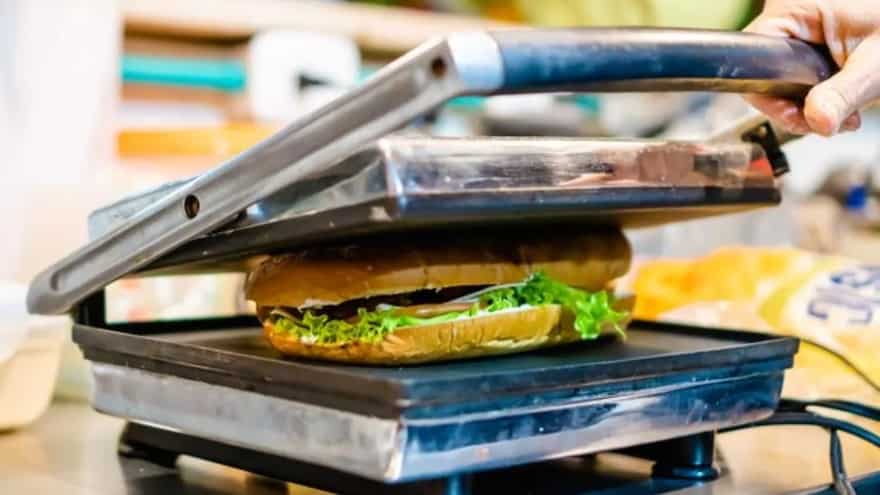
(Image credit: Freepik)
Pressure Cooker Separators
A simple pressure cooker hack is helping many households cut down on excessive gas usage without having to alter their meals. Using separators inside the cooker lets rice, dal, and even vegetables cook together in one shot. Instead of switching on the stove numerous times a day, this process lets everything come together efficiently. It’s particularly useful for everyday meals where the menu is almost the same. Over time, this reduces both the cooking time and fuel consumption. In a situation where LPG is getting pricey, small adjustments like this are evolving into part of everyday kitchen planning.
Cook Vegetables In The Microwave
Vegetables can be steamed, softened, or even lightly sautéed in a microwave using very little water, which helps in cutting down on LPG usage significantly. Unlike boiling on gas, which takes time and uses fuel, microwaving works fast and maintains the natural colour and texture of vegetables. Many working households even use this method for basic prep, such as cooking potatoes or beans, before finishing dishes on the stove. This small shift, when added up, is what reduces daily gas consumption.
Low-Fuel Alternatives Making a Comeback
With rising fuel costs, traditional cooking methods are once again seeing relevance. Solar cookers, in which sunlight is used to prepare food, are again being used in some homes for dishes such as rice or dal. Similarly, the haybox method, where partially cooked food is insulated and then left to finish cooking in the heat, helps in saving fuel without much effort. These methods need a bit of planning and are not suited for every meal, but they can greatly reduce LPG dependency. In the long run, such options offer a sustainable way to manage rising kitchen costs.

(Image credit: Freepik)
Cook Simpler, Eat Seasonal
Another important shift is towards simpler meals, such as dal, rice, curd, and seasonal produce. Many kitchens are cutting down on detailed, elaborate, fuel-intensive dishes. Seasonal produce not only costs less but also cooks faster and tastes much better. This approach relieves both ingredient costs and cooking time. It is a modest but effective change, i.e. fewer ingredients, fewer steps, and using less fuel. Over time, it also promotes healthier eating habits while keeping expenses under control.




