


 Share
Share

Winter once shaped the Indian kitchens more than trends can ever do. Before supermarkets and instant mixes came into the picture, food was prepared based on survival and necessity. Dishes were dried, fermented, slow-cooked, or made richer on purpose, and not alone for indulgence. These forgotten delicacies were prepared to help the body survive cold days and even colder nights. Many of these winter recipes have quietly disappeared as comfort took over and were overlooked as too simple or simply old-fashioned.
But lately, these old forgotten dishes are finding their way back. Home cooks, food chroniclers, and even chefs are rediscovering them, not out of memories, but because they are essential. In a season where immunity, digestion, and comfort matter the most, these foods have started making sense again to the new generation. Their ingredients induce heat naturally, their textures feel soft, and their flavours do not overwhelm, exhausting the palate.
Hokh Syun, Kashmir
Hokh Syun is a winter comfort served on a plate. Prepared with dried bottle gourd and simmered with spices, this Kashmiri delicacy depends on patience rather than richness. Drying vegetables was once a winter survival talent that locked in nutrition when fresh produce vanished under snow. The dish tastes lightly sweet, earthy, and is extremely comforting, particularly when eaten with rice. Hokh Syun does not shout with flavour, but it buzzes quietly, warming the body from within without being too heavy. During the winter season, when digestion is naturally slow, its gentle spices and smooth texture feel mild, reminding us of how climate once shaped the cuisine.

(Image credit: Freepik)
Garlic Kheer, Punjab
Garlic kheer may sound a bit unpredictable until you taste it. Tiny cloves of garlic are slow-cooked in milk until their harshness vanishes, changing mellow and almost nutty. This dish was loved for its warmth and immunity-boosting, and not indulgence. The sweetness is light, which is perfectly balanced by the earthy depth of garlic. Traditionally enjoyed during colder months to protect against coughs and seasonal flu, garlic kheer feels healing as well as comforting. Every spoonful warms from within, making it more practical. Not very common at present, garlic kheer is a reminder that winter desserts used to cure as much as they satisfied.
Rongi, Himachal Pradesh
Rongi, a lesser-known cuisine, originates from Himachal and is renowned for its delicate flavour. Prepared from soaked kidney beans and cooked with minimal spices, it is thick, strong, and satisfying. In the mountains during winter, meals are essential to endure and stay warm, rather than impressive. Rongi tastes a bit nutty and deep, with a slow warmth that remains for a long time. Paired with rice or makki ki roti, it fills you without being too heavy. As temperatures fall, these kidney beans deliver strength and support energy. This dish can be found in local households but rarely on any menus, despite the fact that it is made for cold winter conditions.

(Image credit: Freepik)
Paankh, Himachal Pradesh
Paankh is winter creativity at its best, where sun-dried rice leaves are cooked into a thick, porridge-like dish. Once an essential when grains were short, it has a smoky flavour that feels both old and comforting. Paankh is thick, lightly chewy, and extremely warm. The winter season made drying food necessary, and this dish holds that wisdom. It is eaten slowly, often with ghee, providing steady warmth in cold weather. Overlooked by urban kitchens in the current scenario, paankh is a reflection of a time when nothing palatable was wasted, particularly in winter.
Til Pitha, Assam
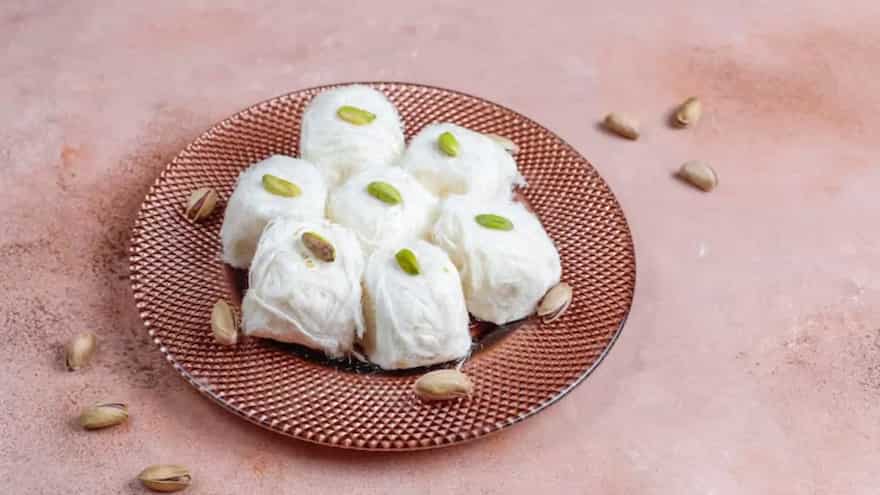
Til Pitha is a winter delicacy enjoyed by locals here. Rice flour shells wrap roasted sesame and jaggery, making a soft exterior with a warm, nutty base. Sesame is loved in winter for its heat-producing quality, and this dish perfectly balances the sweetness with a little depth. Unlike other dazzling desserts, til pitha feels soft and gentle. It is eaten during colder months when the body demands warmth without too much sugar. Every bite feels aromatic, making it comforting instead of just indulgent. It is a perfect winter sweet that deserves rebirth beyond just the local area.
(Image credit: Freepik)




