


 Share
Share

After the Holi festivities are over, and you get done with making the gujiyas and malpuas, all you have left behind is a small box of khoya kept in the fridge, which is obviously too precious to waste and is often forgotten once the celebrations come to an end. This rich, slow-cooked milk solid or khoya or mawa, has a deep, caramel-like flavour that can instantly elevate any dessert it is added to. It can be melted into creamy sweets, to the traditional mithai, or get a soft, fudgy texture to the simple preparations made at home.
With just a little sugar, a hint of cardamom, and maybe a handful of chopped nuts, leftover khoya can change into desserts that taste far more indulgent, without doing any great cooking tasks. Instead of letting that box of khoya sit unused, use it to make these desserts that require little effort, no elaborate cooking process, but deliver the best taste you will definitely love.
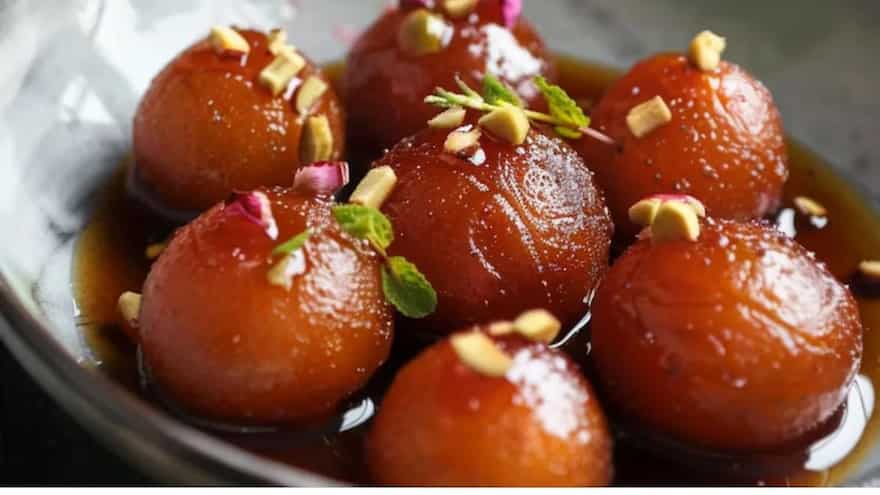
Gulab Jamun
Khoya naturally gives a deep, caramel-like richness to the gulab jamuns. When kneaded with maida and gently fried on a slow flame, the khoya creates a soft crust while remaining soft from inside. Using the khoya instead of the milk powder gives the gulab jamnus a far fuller taste, which is creamier, a little nutty, and feels far more fragrant. The outcome is the gulab jamun that feels much decadent but balanced, where the syrup sweetens the milky richness rather than overpowering the taste.
(Image credit: Freepik)
Kalakand
Kalakand is loved for its moist, coarse texture, and that leftover khoya in your fridge can help you achieve that texture. When the khoya is cooked with a little milk and sugar, it gets a soft consistency and separates into light milk granules that give the sweet its classic consistency. As it thickens, the mixture forms a lightly caramelised fragrance that makes the flavour deeper. The final result feels rich, fresh, and lightly crumbly, making kalakand a perfect dessert when you want to have something different from the regular gujiyas and malpuas.
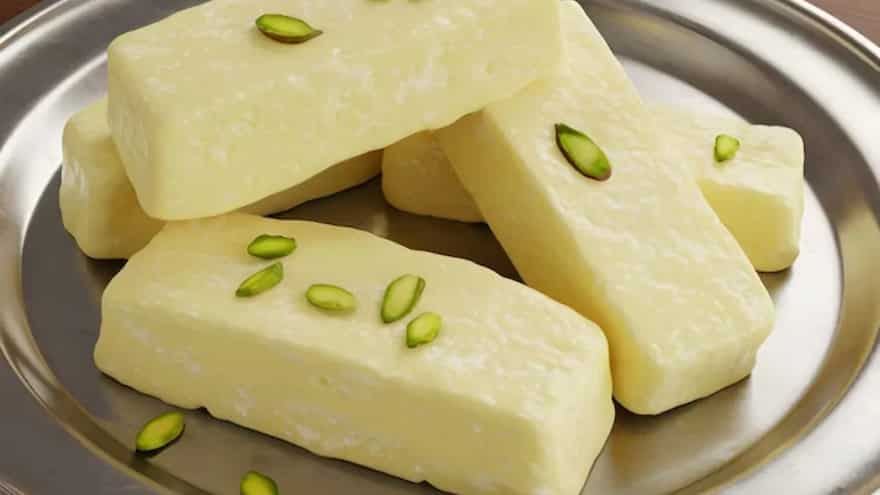
Khoya Barfi
Khoya barfi has the natural sweetness and creaminess of thickened milk. Lightly roasting the khoya in ghee boosts its nutty fragrance and also gives out a deeper flavour. As the mixture gets thick, it changes into a thick, smooth base that you can further cut into delicate squares. Unlike many sweets that depend heavily on sugar, khoya barfi lets milky richness shine. Every bite feels fudge-like and is light, with the slight warmth of cardamom and that crispy crunch of pistachios that adds to the contrast to the creamy texture.
(Image credit: Freepik)
Peda
Pedas are possibly the easiest way to praise the flavour of khoya. Slowly cooking the khoya improves its natural sweetness and forms a slightly toasted, nutty undertone. When mixed with sugar, cardamom, and sometimes saffron milk, as per preference, the mixture thickens into a soft dough that can then be shaped into small discs. The beauty of the peda is that it is not too syrupy or oversugary. Instead, the flavour is milky and fragrant, having a texture that feels soft and slightly dense. After all the sugary and syrupy sweets that you had during the festivities, this one feels light.
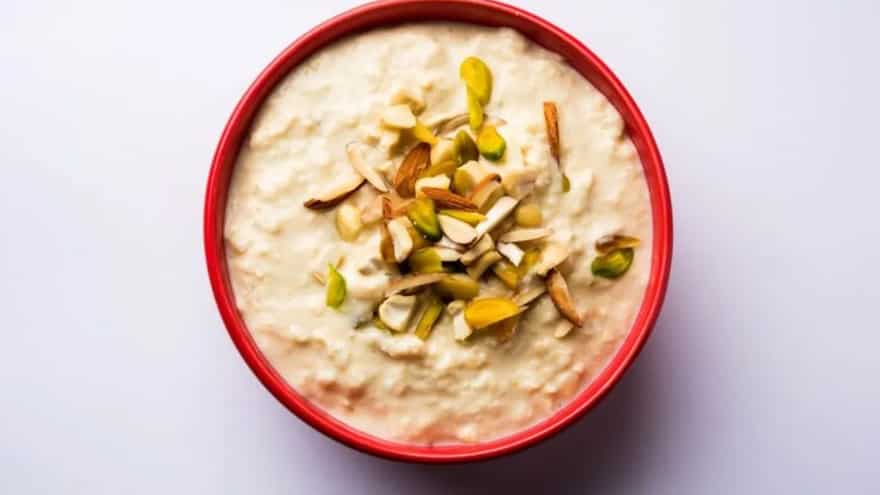
Rabri
Adding khoya to rabri immediately deepens both the consistency and the flavour of this classic dessert. As the milk simmers and thickens, the crumbled khoya melts into it, making a richer, creamier base without the need for hours of reduction. The khoya gives a layered texture that makes the rabri feel luxurious with every spoonful. Flavour it up with saffron and cardamom, then topped with nuts, this dessert becomes aromatic and indulgent. The taste of this rabri feels intensely milky, having gentle sweetness and a velvety texture, apart from the store-bought ones, which feel a bit too heavy.
(Image credit: Freepik)




