


 Share
Share

There was a time when grains like kutki did not need a fitness label to be part of everyday meals. However, at present, this grain is being brought to notice again, but this time by urban cooks, millet lovers and restaurants that are looking for ingredients with both culinary character and a more profound connection to the food heritage.
Kutki, also commonly known as little millet, is a tiny-seeded cereal that has long been produced in parts of India, especially in rainfed farming locations. It can be cooked much like regular rice, ground to make flour or used for familiar preparations like khichdi and cheelas. Its comeback is not actually about discovering an unknown superfood, but it is more about looking at an ingredient that had quietly slipped away from everyday cooking as rice and wheat evolved as dominant pantry staples.
The crop has another quality that has made it valuable to farmers: it can grow in relatively dry, rain-dependent conditions and generally requires fewer agricultural inputs than some water-intensive cereal crops. This makes kutki particularly relevant to farming systems where water availability is limited.
How Did Kutki Find Its Way Into Indian Meals?
Kutki was traditionally considered an everyday staple rather than something that was eaten occasionally. Depending on the region, households cooked the grains along with everyday dal, vegetables or local gravies. The grain's rather neutral taste made it reasonable in such preparations. Instead of dominating the dish fully, it soaked up the tastes of spices, lentils, vegetables and tempering that was added to it.
In many rural and tribal food cultures, little millets formed part of a wider way of eating locally grown produce. Their importance was thus bound not just to nourishment but also to the availability, farming methods and regional food habits.
5 Kutki Millet Recipes Worth Trying
If you are someone new to kutki millet, these recipes are an easy option to try how well the little millet can fit into regular Indian dishes. Here are some of the ways you can enjoy this millet as a part of your familiar meals.
Kutki Vegetable Khichdi
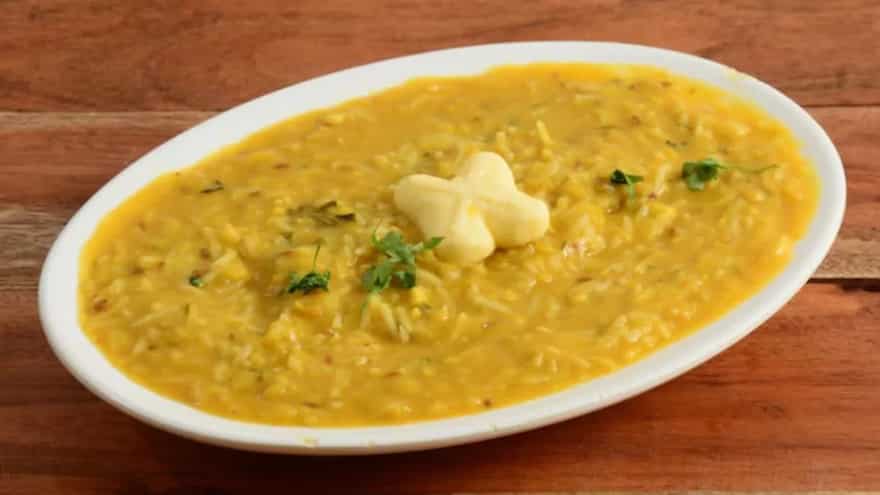
A warm bowl of kutki khichdi is possibly the easiest way to begin if you are new to this millet. Cook the soaked kutki with moong dal, carrots, peas, beans, turmeric and cumin, the usual way khichdi is cooked. Then finish it with a tempering made of ghee, cumin and hing.
The millet turns soft and feels comforting while the vegetables give a little sweetness in every bite. It tastes much like a normal dal-rice khichdi, so there is no great alteration to the recipe and the taste. Not only this, but everything gets cooked in one pot, making it an easy option for a light weekday lunch or dinner.
(Image credit: Freepik)
Kutki Pulao
If you want something light and more grain-based, kutki pulao is worth a try. Soak the millet like the rice, then cook it with whole spices, onions, peas, carrots and capsicum, as you would do for a regular pulao. Add a little ginger and green chilli to give the pulao a mild kick without overwhelming its naturally light, nutty flavour.
The grains remain separated when cooked nicely, making the dish feel more comparable to a standard rice pulao. It is simple to make for everyday cooking and pairs perfectly well with everyday raita, dal or a bowl of plain curd.
Kutki Cheela
If your palate has grown bland from the same besan or rava cheela, try this kutki cheela. Simply soak and then grind the little millet to make a smooth batter, and then mix it with some finely chopped onion, green chilli, coriander, cumin and a little curd. Leave the batter to rest, then spread it thinly on a hot tawa and cook until the edges turn crisp and golden.
The cheela has a bit of nutty taste having a soft centre and crisp texture. Serve it hot with mint or tomato chutney, and you will wonder why did'nt you tried before.
Kutki Kheer
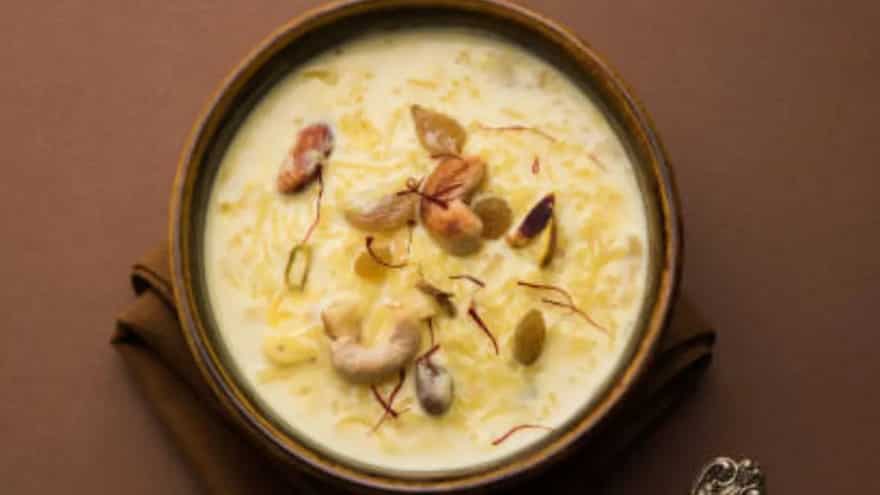
Kutki also works perfectly for dessert. For kutki kheer, cook the soaked millet slowly in milk until the grains turn soft and the mixture gets a thick consistency. Add sugar or jaggery according to preference, then add the chopped almonds, cashews and a few strands of saffron.
The small grains give the kheer a light texture without making it feel too heavy, whereas cardamom and nuts give it a subtle warmth. Whether enjoyed warm or even chilled, it is an easy way to experiment with kutki beyond the savoury meals.
(Image credit: Freepik)




