


 Share
Share

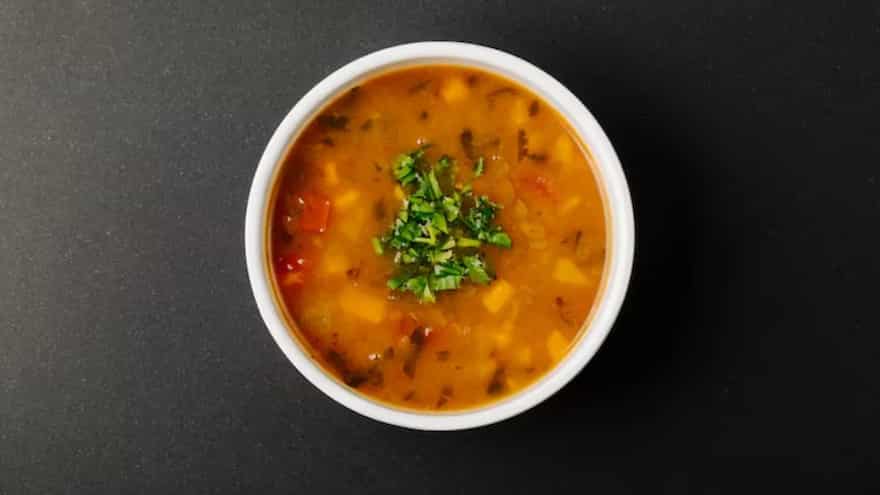
As the monsoon season steps in, it's a ritual in many households to prepare seasonal recipes that have been passed down through generations. One such dish is kulith saar, a Maharashtra favourite soup that is prepared from kulith, also known as horse gram.
Unlike rich cream-heavy soups, this traditional version depends on slow-cooked pulses, freshly ground spices, garlic and tamarind to make layers of flavour that feel both soothing and healthful.
Although horse gram is one of the oldest produced legumes of India, it is seldom talked about as much as rajma or chana at present. Across Maharashtra, particularly in rural households, it persists to be loved for its earthy taste, affordability and also the adaptability.
Why Kulith Saar Has Been A Kitchen Staple For Generations
Kulith Saar has stayed famous not only because it is nourishing, but also because it makes smart use of an ingredient that has long been available in great amounts in Maharashtra. Horse gram is a hardy pulse that cultivates well even in dry, less productive regions, making it an essential crop across the Deccan plateau.
Over generations, home cooks created recipes that brought out their naturally earthy taste without overpowering it using ingredients such as roasted coconut, garlic, cumin, black pepper and tamarind.
The outcome is a soup that feels light enough to have as an everyday meal but also satisfying enough to be enjoyed as a complete dish on its own. Its simplicity, affordability and dependence on local ingredients have made it suitable even after so many years.
(Image credit: Freepik)
Why Horse Gram Is Nutritionally Unique
Horse gram has long been identified as one of the most nutrient-dense pulses that is grown in India.
- Rich In Plant Protein And Dietary Fibre: As per a study published in the Indian Institute of Pulses Research, horse gram has 17.9–25.3% protein with a high quantity of dietary fibre, making kulith saar surprisingly filling and also a good add-on to balanced vegetarian meals.
- Packed With Crucial Minerals: Horse gram naturally has iron, calcium, phosphorus and many B vitamins. The research mentioned in ICAR also states that its calcium and iron levels are much higher than many other Indian pulses.
- Filled With Natural Antioxidants: Many studies have mentioned that horse gram has phenolic compounds, flavonoids and tannins, all of which are known for their antioxidant properties.
- An Underrated Superfood: Unlike many other health foods, kulith is inexpensive, grown locally and is environmentally friendly. Research from ICAR defines it as an underutilised crop with considerable potential for enhancing food and nutritional protection, making it worth adding to everyday cooking.
How To Make Traditional Maharashtrian Kulith Saar
Ingredients
- 1 cup horse gram (kulith), soaked overnight
- 4 cups water
- 1 small onion, chopped
- 6 garlic cloves
- 2 tbsp fresh grated coconut
- 1 tsp cumin seeds
- ½ tsp black peppercorns
- 2 dried red chillies
- ½ tsp turmeric powder
- 1 tbsp tamarind pulp
- 1 tsp jaggery (optional)
- 1 tbsp oil or ghee
- ½ tsp mustard seeds
- 8–10 curry leaves
- 2 tbsp fresh coriander, chopped
- Salt, to taste
Method
- Pressure cook the overnight-soaked horse gram for 3 to 4 whistles. Reserve the cooking liquid, as it makes the base of the saar.
- In a pan, roast some coconut, garlic, cumin, peppercorns and dried red chillies until they turn fragrant. Let everything cool down, then grind to make a smooth paste using the reserved stock.
- In a deep vessel, heat oil and add mustard seeds and curry leaves and let them splutter.
- Now, add chopped onions, turmeric and the freshly ground masala that you just prepared. Cook this until aromatic.
- To this, now add the cooked horse gram, the cooking liquid, tamarind pulp and salt to taste. Simmer everything gently for about 10 to 15 minutes so that the spices and lentils mix in nicely.
- Leave it to rest for some time, then garnish with chopped coriander and serve hot with steamed rice, jowar bhakri or simply as a bowl of soup.
What To Serve With Kulith Saar
Although kulith saar can be relished as a soup on its own, in Maharashtrian households, it is often paired with steamed rice. It also pairs beautifully with jowar or bajra bhakri, whose earthy taste perfectly complements the horse gram.
For a whole meal, many families also add a simple vegetable stir-fry, papad, homemade pickle and a spoonful of ghee with the soup.
In some households, it is served with dry potato sabzi or roasted green chillies to add extra taste. These simple accompaniments let the rich, peppery taste of kulith saar remain the star of the meal while keeping it balanced and enjoyable.




