


 Share
Share

If you are someone who is chronically online and absolutely cooked, literally because Indian summers hit different when you're just trying to exist like a normal person, you feel exhausted. So you do what any self-respecting millennial does: you doomscroll until you find answers. And your FYP, bless it, delivers every single time. Korean non-alcoholic drinks are having their massive viral moment right now, and once you see them, you can't unsee them. They're beautiful, aesthetic, fairly easy to make at home, and everywhere for a reason. South Korea has honestly cracked the code on beating the heat without touching a drop of alcohol, and the internet is obsessed. You are obsessed, and your saved folder is a graveyard of these videos. All non-alcoholic, all made in your own kitchen, and all genuinely built for surviving extreme heat without losing your mind or your aesthetic!
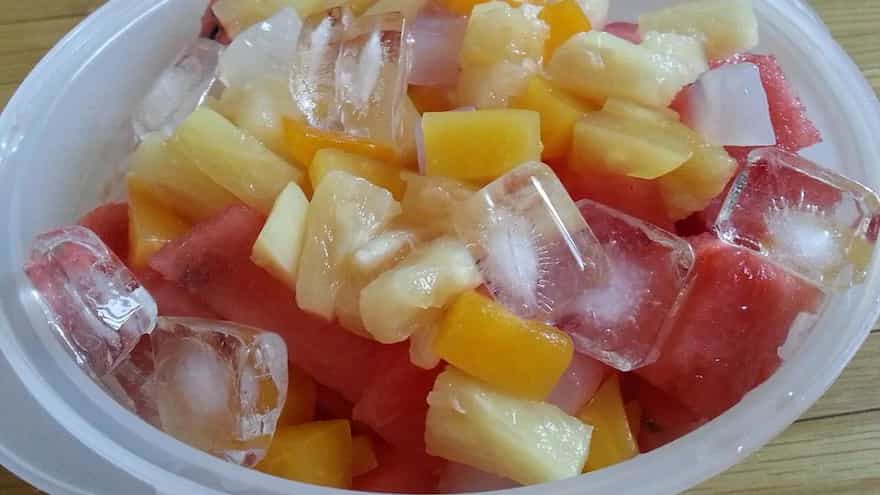
Image Credit: Wikimedia Commons
Hwachae
Hwachae is one of the Korean drinks people have gotten hooked on. And the word translates to ‘fruit punch.’ It's a classic drink created with fresh and frozen fruits, as well as edible flowers on the petals. You won't be able to resist sharing its images on social media once you make it at home. Fruits like pears, watermelon, and citrus are used alongside flowers and petals. People, on the other hand, are not afraid to try for an hour with various fruits such as cherries, melons, and peaches. This drink is popular in Korea during the summer, when temperatures can be high. With the goodness of fresh fruits and edible flowers, it's the ideal drink to beat the heat.
Sikhye
Sikhye is a traditional Korean rice beverage prepared with cooked rice and crushed pine nuts added for additional flavouring. Sikhye is a word that doesn't exist in Japan or China. Instead, it is a Korean word similar to "sikhye" with similar pronunciation and meaning. When you break the name into two parts, ‘sik’ means mature, while ‘hye’ refers to making alcohol or sweet juice. This Korean rice drink has been around for centuries and is meant to be relished all year long. In Korea, sikhye is often served as a dessert after a delightful meal. Most people consider it a similar version of a Japanese drink called amazake. However, sikhye is extraordinary in its way and style. The unique taste with a subtle hint of sweetness stems from the malt. Besides its indulgent taste and flavours, the drink is believed to aid digestion as it contains dietary fibres and antioxidants.
Misugaru Latte
For generations, Koreans have been enjoying the nourishing multigrain shake known as misugaru latte or misutgaru latte. Locals enjoy it as a quick breakfast or as a cool drink in the hot summer. Misugaru is a powder made from roasted and ground grains, cereals and beans. It is a rich source of vitamins, minerals, fibre, and protein. This milkshake can be served on the side of any meal as a healthy supplement. Barley, oats, quinoa, sweet rice, brown rice, lentils, soybeans, millet, adzuki beans, and other grains are pounded and combined to make this powder. Depending on the brand, each powder container comprises five to twenty different grains. Since it has fewer calories and caffeine content, even children and the elderly can drink it. After opening the packet, move the misugaru to an airtight glass container. No matter what packet the powder comes in, the best practice is to transfer it to an airtight jar to avoid spoilage. You can also keep it in the freezer to extend its shelf life. Although it can last for a few months at room temperature, the high temperature and humidity can spoil it fast.

Image Credit: Unsplash
Bokbunja Juice
Bokbunja juice, made from fermented Korean black raspberries, is high in antioxidants and has a strong, fruity taste. It is tangy and sweet, making it an excellent choice for individuals who want a strong berry flavour. It is also available as a wine; the juice is an excellent non-alcoholic beverage for daytime use. Unlike raspberries, which you might add to a smoothie, they are a little different and a little more mysterious. They grow in Korea's southern regions, including Jeolla and Jeju Island, and have been utilised in Korean traditional medicine for generations. The resulting drink is typically a form of gayangju or home-brewed beverage that is sweet, acidic, and deep inky crimson. If you're a wine drinker, your first sip would be similar to port meets cherry liqueur, with a uniquely Korean flavour underlying.
Strawberry Cheong
Among the many flavours available, strawberry cheong stands out as a delicious and refreshing option that combines the medicinal properties of cheong with the natural sweetness and tanginess of strawberries. Cheong, also known as yujacha, has been an integral part of traditional Korean medicine for centuries. Its origins can be traced back to the Three Kingdoms period, approximately 2,000 years ago. Its therapeutic properties and natural sweetness made it a favourite among Koreans, leading to the development of various flavours, including strawberry cheong. Strawberry cheong represents a contemporary twist on the traditional medicinal beverage. It combines the goodness of strawberries, rich in antioxidants, vitamins, and fibre, with the health benefits of cheong. This vibrant and flavorful drink not only offers a burst of refreshing sweetness but also provides nourishment and potential health advantages.
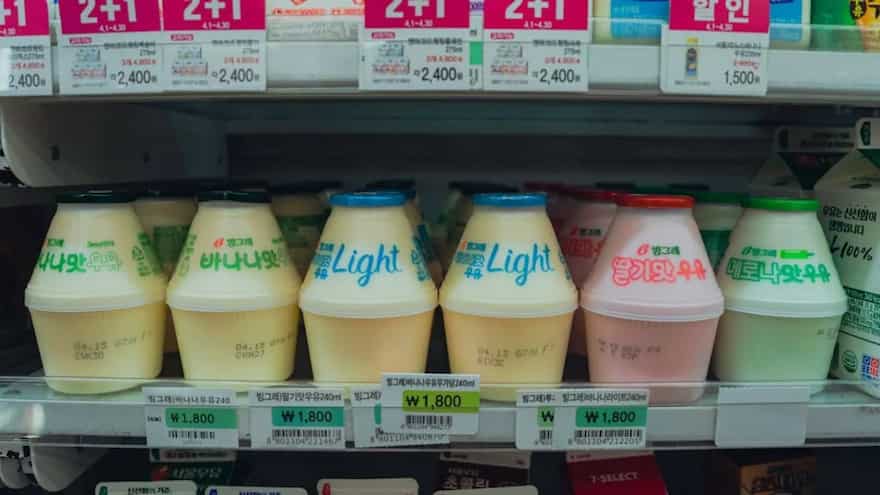
Image Credit: Pexels
Korean Banana Milk
Among the many interesting snacks and drinks that Korea has to offer, banana milk is a standout. Banana milk, or "Banana Mat Uyu", is more than just a drink; in South Korea, it is a symbol of their culture. Due to its appealing flavour profile, this creamy, sweetened beverage has won over both residents and tourists. Malnutrition was a problem in South Korea in the 1970s; thus, the government pushed for increased milk consumption. However, some people had digestive problems with dairy products, while others didn't like the bland flavour of natural milk. Diving into the market, a popular dairy manufacturer in South Korea, Binggrae, responded by introducing banana milk in June 1974. This creative beverage addressed dietary restrictions as well as taste preferences by combining the delicious flavour of bananas with the health advantages of milk. Banana milk's appeal was increased because bananas were regarded as a luxury food item in Korea at the time. With its iconic wide container selling over 800,000 bottles daily in Korea, Banana Mat Uyu has become a symbol of Korean culture.




