


 Share
Share

Kochi-Muziris Biennale (KMB) is India’s first, and South Asia’s longest-running, international exhibition of contemporary art. The first edition began in 2012, and since then it has grown into the country’s largest platform for contemporary visual arts. Under its model, KMB repurposes heritage buildings, old warehouses and colonial-era structures across the historic port city, especially in Fort Kochi and Mattancherry, into galleries, performance venues, and exhibition spaces. This convergence of contemporary art with old-world architecture connects the city’s layered history with global artistic practice, making the Biennale as much about place as about art. The 2025–26 edition, titled For the Time Being, opens on 12 December 2025, and runs until 31 March 2026. Curated by artist Nikhil Chopra in collaboration with HH Art Spaces (Goa), this edition promises a reimagined Biennale, presenting contemporary art not just as static exhibitions, but as a “living ecosystem” of performances, installations, community-led interventions, workshops, film screenings and other events spread across multiple venues. As the Biennale unfolds across heritage buildings and public spaces, it naturally invites a slower mode of exploration, walking from venue to venue, absorbing art and ambience, and refuelling along the way at cafés and eateries that reflect the city’s cosmopolitan food culture.
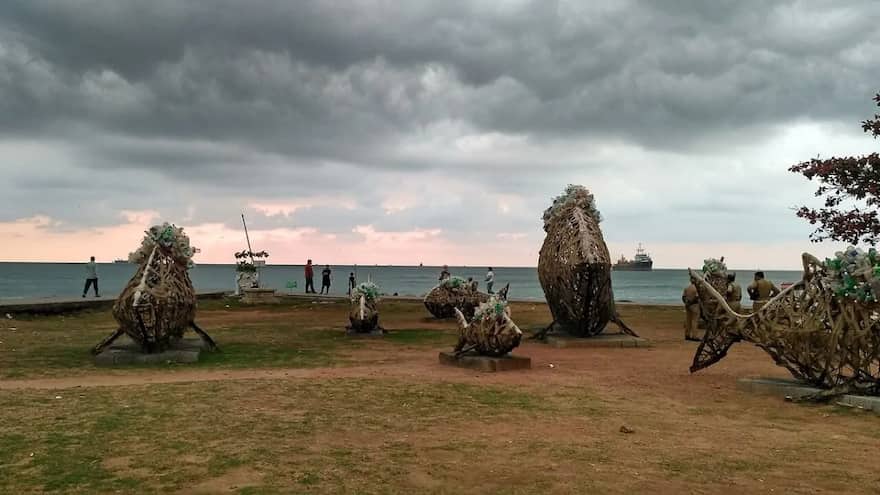
Image credit: Wikimedia Commons
Pepper House Café
Pepper House serves as one of the Biennale’s confirmed exhibition locations for 2025–26, housed in a former waterfront warehouse that now accommodates galleries, studios and a central courtyard. The café inside this complex is situated in a shaded, open area that becomes a natural resting point for those exploring installations in the adjacent rooms. Additionally, this year the cafe will be showcasing works by artist Hasseena Suresh as special programming. Visitors often spend time between the gallery spaces and the café, and a strong speciality coffee to pair with the popular house brownie is highly recommended. The architecture, marked by its long corridors, tiled roofing and view toward the water, allows visitors to experience a different pace from the indoor exhibition rooms. Because Pepper House appears on every official Biennale map, the café is woven into most walking routes and remains one of the most convenient places to pause without stepping away from the festival atmosphere.
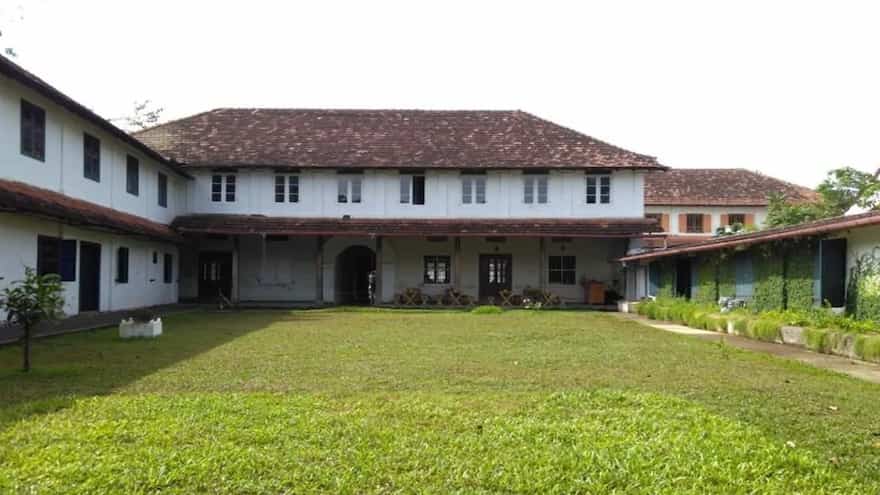
Image credit: Pepper House
Kashi Art Café
Kashi Art Café, known widely across Fort Kochi, functions both as a café and an independent exhibition space, with rotating visual art on its walls throughout the year. It’s role within the city’s cultural life makes it a regular stop for Biennale visitors who pass through its leafy courtyard before or after viewing exhibitions at nearby heritage sites. The café’s central location and consistent footfall make it one of the places where conversations between artists, students and travellers naturally unfold during festival months. Its breakfast-led menu includes several well-known dishes, and the savoury waffle is perfect for those seeking a filling but not heavy start to the day. People tend to linger longer here due to the café’s open layout, making it a much needed midpoint during a day of extensive walking.
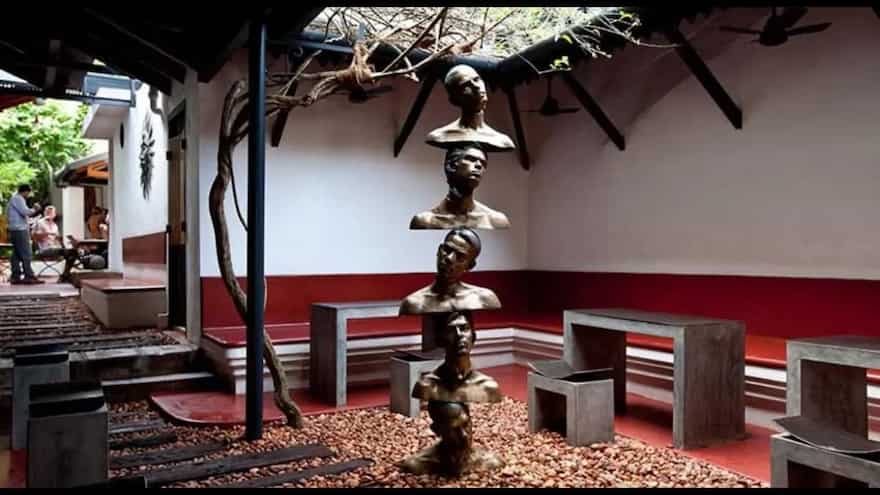
Image credit: Kashi Art Cafe
David Hall Gallery & Café
David Hall occupies a restored Dutch-period bungalow and retains its role as a recognised gallery independent of the Biennale, which means it continues to display contemporary work through its own schedule even when not tied directly to the official festival. Its proximity to popular walking routes ensures that Biennale visitors frequently include it in their art circuits, moving from the front rooms that host exhibitions to the garden where the café extends under tiled roofing. This outdoor seating area provides a comfortable transition between art viewing and a longer meal, and the thin-crust wood-fired pizza is a reliable choice after a morning of gallery visits. The presence of ongoing exhibitions inside the bungalow creates a seamless connection between the art and hospitality spaces, making David Hall a familiar landmark for anyone navigating Fort Kochi during Biennale season.
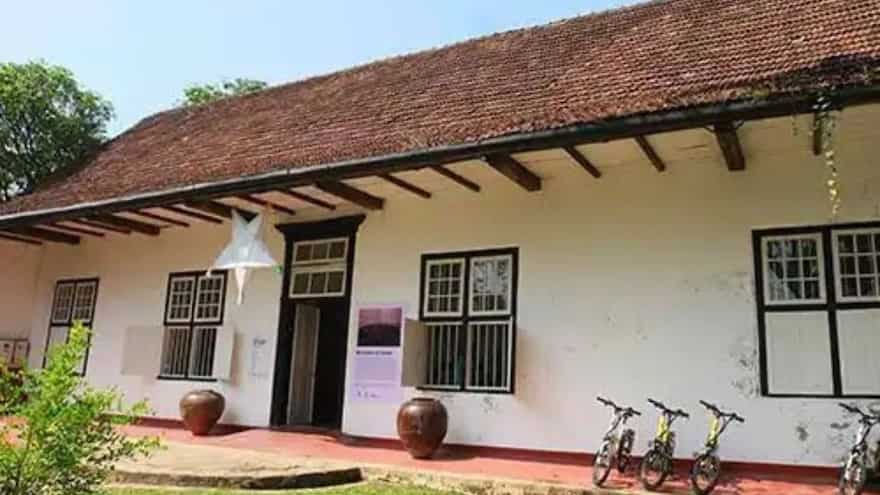
Image credit: Kerala Tourism
Mocha Art Café
Mocha Art Café sits close to the Jewish Synagogue in Mattancherry, an area that many Biennale visitors explore due to its concentration of heritage lanes, antique stores and independent galleries. The café occupies a large, older building with high ceilings and arched pathways, creating an interior that feels spacious even during busy months. It routinely features small-scale art displays or photographic works that align well with the cultural interests of visitors moving through the historic district. While it is not an official Biennale venue, its position along routes connecting multiple heritage sites makes it easy to incorporate into a day’s itinerary. Guests frequently mention the grilled chicken plate as a delectable lunch option, and the café’s combination of heritage structure and relaxed seating encourages longer breaks between the sites of Mattancherry and Fort Kochi.
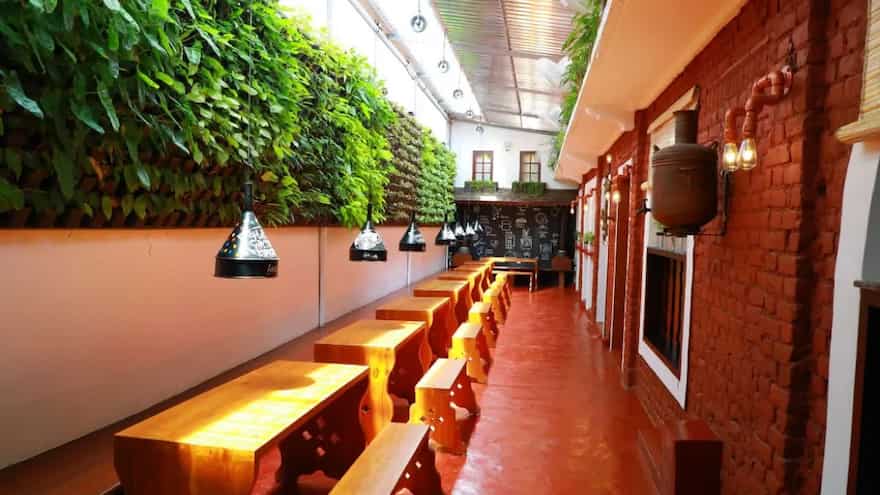
Image credit: Mocha Art Cafe
Loafer’s Corner Café
Loafer’s Corner occupies a location near Bastion Street, an area often traversed by visitors heading toward Aspinwall House or walking between smaller galleries and local stores. The café’s upstairs section looks out over the street, creating an informal vantage point where people often take extended breaks from the heat. Though not affiliated with the Biennale, the café’s placement within a dense cluster of heritage buildings brings in a steady flow of visitors who seek a simple meal before continuing toward larger venues. A frequently noted combination here is the cappuccino and toasted sandwich, chosen often for its straightforward preparation and suitability as a midday caffeine boost. The surrounding neighbourhood is compact, so Loafer’s Corner works naturally as a small pause before rejoining the main walking route toward the waterfront.
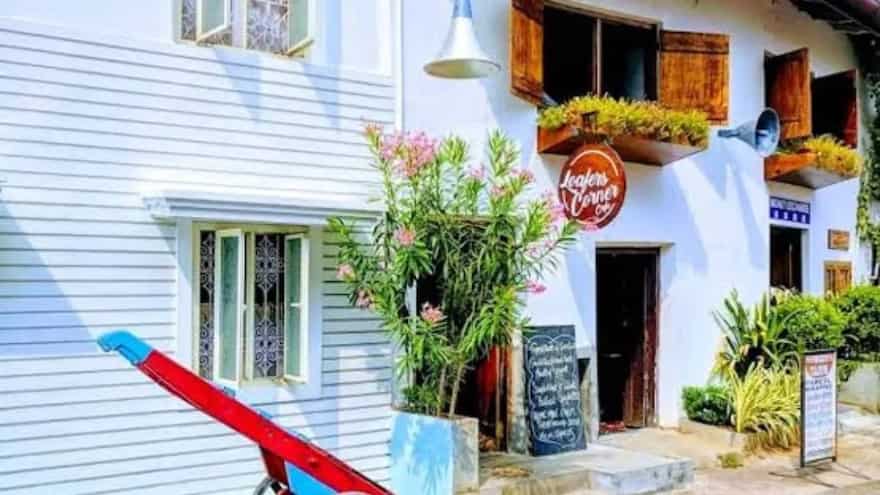
Image credit: Loafer's Corner
Qissa Café
Qissa Café has become known for its breakfast offerings and its steady presence as a meeting point for creative communities throughout the year. During Biennale months, its location near several homestays and hostels makes it an easy stop for visitors beginning their day before heading to the official venues. The café’s design incorporates long communal tables, creating a shared experience where travellers often sit beside one another without prior acquaintance. Its breakfast plates are worth trying, especially combinations that include eggs and fresh accompaniments suited to early starts. Even though Qissa is not a Biennale venue, it benefits from being within walking distance of the areas where many visitors stay, allowing it to function as an informal starting point for those planning a full day of art.
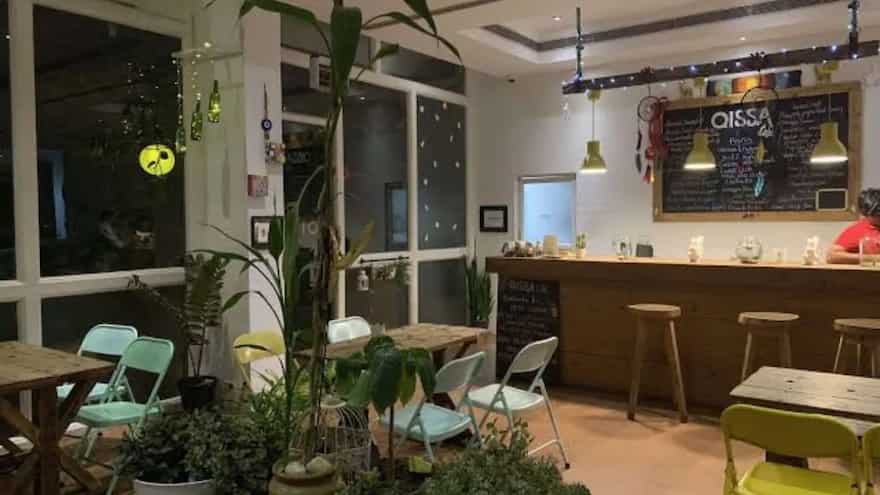
Image credit: Qissa Cafe
The Drawing Room (Fragrant Nature)
The Drawing Room, located inside Fragrant Nature, serves guests seeking a more mellow setting at the end of the day, especially after attending art events elsewhere. It has hosted cultural evenings and gatherings across seasons, leading it to be recognised by visitors who expect quieter indoor seating and a different dining pace from Fort Kochi’s street-level cafés. The menu includes an assortment of seafood and small plates, with a well-prepared seafood appetiser often highlighted by guests looking for a refined but not overly formal meal. For those completing a long circuit across exhibition venues, The Drawing Room provides a welcome change from casual street cafés and works well as an evening pause.
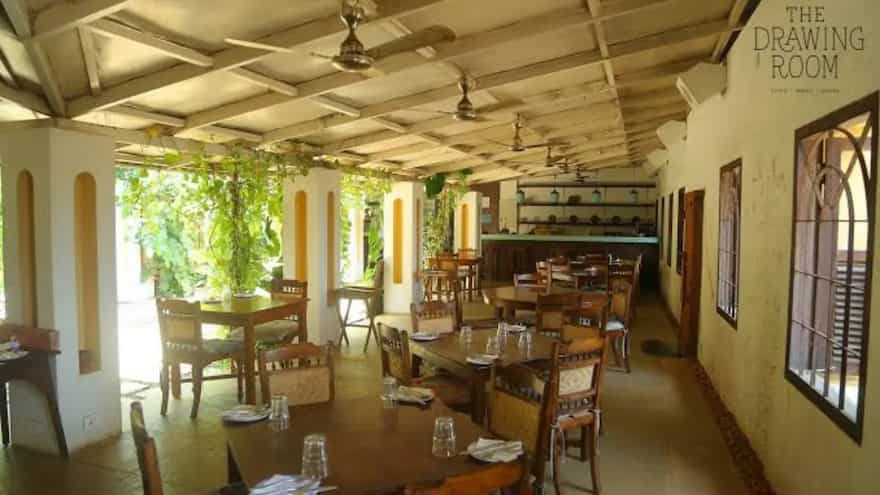
Image credit: The Drawing Room
Pandhal Café At Brunton Boatyard
Brunton Boatyard, a hotel built with architectural references to the old port, is positioned near ferry access routes and is familiar to Biennale visitors moving across the waterfront. Its café spaces, including Pandhal Café, accommodate those seeking a meal influenced by Kerala’s local flavours while remaining close to several heritage buildings. Diners often choose dishes such as the local fish roast, which aligns with the region’s culinary traditions and suits lunch breaks better than heavier meals. The hotel’s location makes it convenient for visitors navigating between major venues, especially those who prefer to stay close to the water and avoid detours into narrower lanes during peak hours. Pandhal Café therefore functions as a practical option for a more regional meal without stepping away from the Biennale’s central geographic spine.
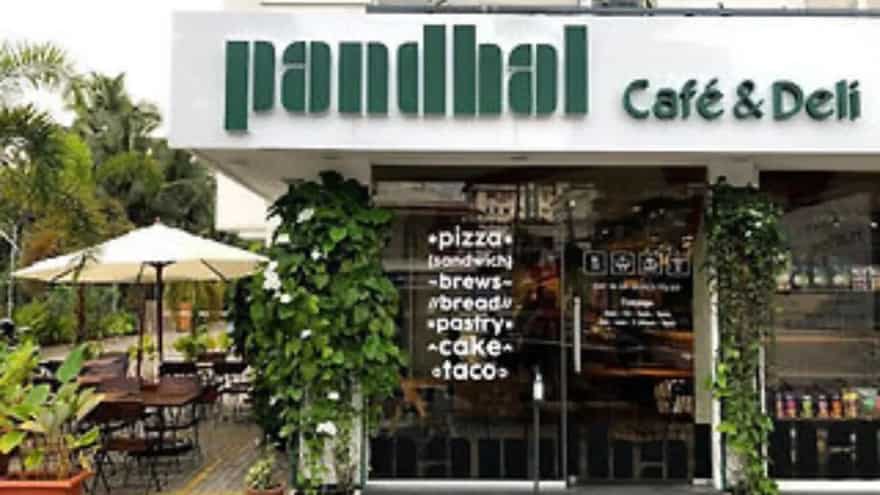
Image credit: Pandhal
Café Papaya
Café Papaya, located slightly outside the central Fort Kochi grid but still within reach of most Biennale routes, has long been known in Kochi for its independent music evenings, film screenings and community gatherings held across various seasons. The café frequently sees an increase in footfall during Biennale months because visitors often seek out cultural spaces beyond the main venues. The interior is informal and open, drawing a mix of students, families and travellers who spend longer stretches here compared to quick-stop cafés. The seafood preparations are sought out when ordering mains, with the prawn roast appearing often as a satisfying choice for those wanting a regional flavour without committing to a full thali. Its reputation as a culture-friendly space makes Café Papaya a comfortable extension of the creative environment that builds across Kochi during the festival period.
Local Delicacies & Coastal Flavours To Try
While Fort Kochi’s cafés serve up global-influenced café fare, the region’s culinary identity lies in its coastal Kerala flavours, especially seafood, rice-based curries and traditional breakfast or snack items. Visitors during the Biennale should consider sampling:
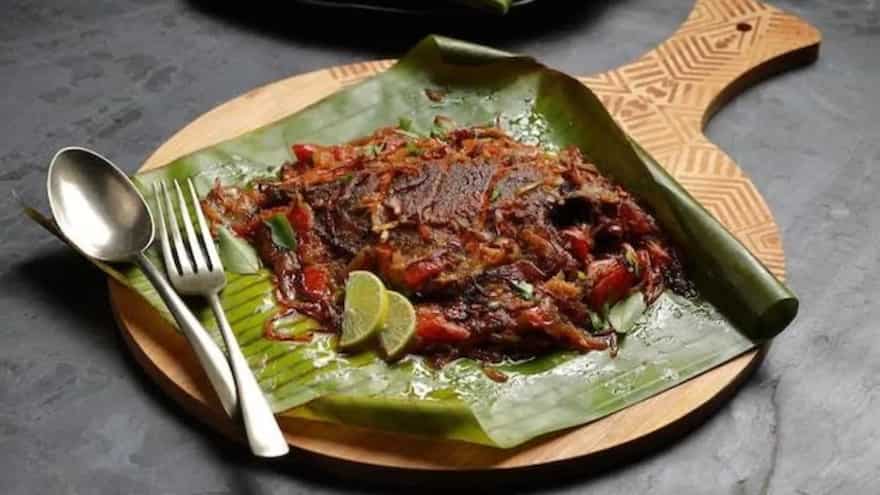
Image credit: Freepik
- Karimeen Pollichathu: Pearl-spot fish marinated, wrapped in banana leaf, and grilled; a local speciality that brings together spices, coconut and coastal cooking traditions.
- Fish Curry: Coconut-based, tangy fish curry served with rice or appam, a defining flavour of Kerala’s seafood cuisine.
- Appam with Stew: Soft lacey appams with gently spiced vegetarian or chicken stew; ideal for breakfast or a light meal.
- Kappa and Fish Curry: Tapioca (kappa), boiled or mashed, paired with robust fish curry, a humble but hearty combo beloved by locals.
- Dry-fried Prawns (Chemmeen Ularthiyathu) or other prawn dishes: Especially in small coastal eateries or local home-style restaurants.
- Sweet or snack items like Neyyappam or Kuzhi Paniyaram: Simple, traditional fried treats for a quick bite while exploring markets or heritage streets.




