


 Share
Share

Summer may be ruled by mangoes, but many wait equally eagerly for litchis as well. Across fruit markets in North and East India, fresh litchis have now started to appear, signalling the official beginning of the harvest season. India is among the world's largest producers of litchi, with major cultivation in Bihar, West Bengal, Punjab, Uttarakhand, Uttar Pradesh, and Jharkhand.
What many buyers do not recognise is that not all litchis are the same. India produces dozens of varieties, each having its own specific taste profile, fragrance, seed size, colour, or harvest period. Some are loved for their intense sweetness, while others are loved for their floral fragrance or juicy pulp. If you have ever thought why one box of litchis tastes different from the other, the answer often depends on the variety. Here are six of India's most adored litchis and what makes each one special from the other.
Shahi Litchi, Bihar
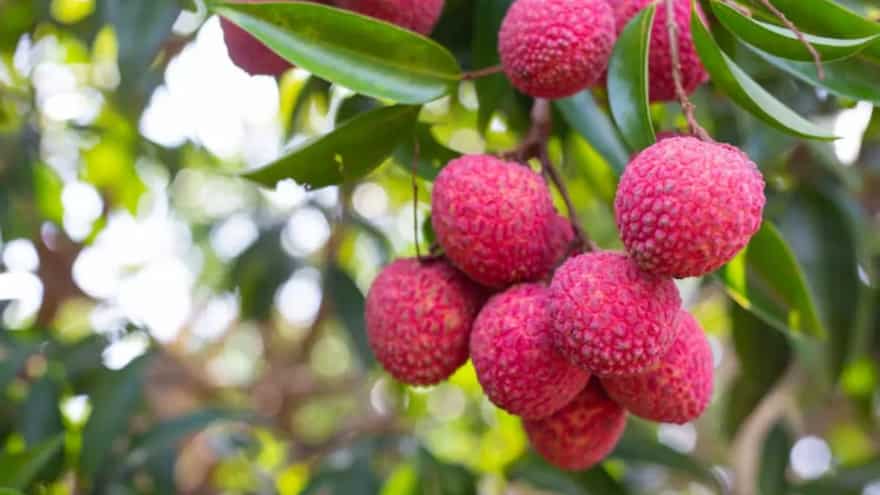
Possibly India's most loved litchi, Shahi Litchi, is closely linked with Bihar's Muzaffarpur region. In particular, it enjoys a Geographical Indication (GI) tag, emphasising its unique individuality. The fruit is medium-sized having a bright red skin and incredibly juicy pulp. What sets it apart is its rich sweetness that is balanced by light floral notes. The pulp is soft, fragrant, and almost dissolves in the mouth. Due to its flavour and texture, Shahi Litchi is often believed to be the benchmark against which other Indian types are compared.
(Image credit: Freepik)
China Litchi, North India
Despite its name, China Litchi is widely produced across parts of India, especially in Bihar, Punjab, and Uttar Pradesh. It is one of the most commonly known varieties in Indian markets. The fruit is a bit larger than Shahi and has a pinkish-red peel from the outside. Its pulp is firm, juicy, and pleasantly sweet without being too sugary. The variety is loved for its good shelf life and transportability, which is why it often appears in fruit markets across big cities. For many customers, this is the litchi they look for more often.
Rose Scented Litchi, West Bengal
As the name says, Rose Scented Litchi is loved for its unique floral fragrance. Grown mainly in parts of West Bengal, this type offers a special sensory experience. The fruit has a noticeable aroma that resembles that of rose petals, making it recognisable instantly. Its flesh is soft, juicy, and has a balanced sweetness with slight perfumed notes. While it may not be as widely spread as Shahi or China Litchi, it remains highly desired by enthusiasts who enjoy aromatic fruit varieties.
Early Large Red, Punjab
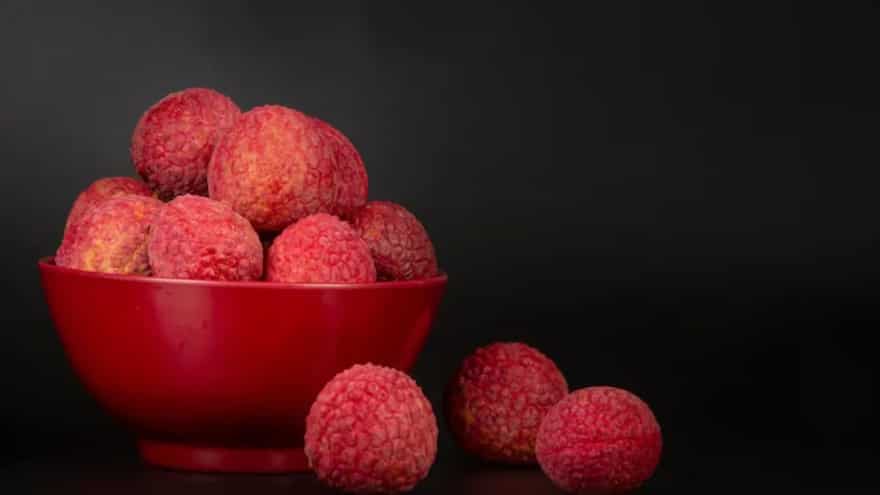
Early large red is among the first litchi types to arrive in season, making it a welcome symbol of summer's fruit crop. Loved in Punjab and in neighbouring regions, the variety is loved for its beautiful, deep-red skin and rather large fruit size. The pulp is succulent and a bit sweet, having refreshing notes that make it extremely satisfying during hot weather. As it comes to markets before other varieties, it often has attention from consumers keen to enjoy fresh litchis before the peak season comes.
(Image credit: Freepik)
Purbi Litchi, Eastern India
Purbi Litchi is cultivated across several eastern Indian states and is loved for its balanced taste profile. Unlike other extremely sweet varieties, Purbi delivers a light combination of sweetness, juiciness, and light acidity. This balance makes it particularly refreshing during the summer season. The fruit has a light fragrance and soft, juicy pulp that appeals to a wide variety of tastes. Though it may not be as well-known as Shahi Litchi, it remains an essential regional variety and a famous among those who like a less extremely sweet fruit.
How To Check The Quality Of Litchi Before Buying
Here are tips to check the quality of litchies before buying them:
- A good-quality litchi should have naturally bright pink, red, or reddish-brown skin, depending on the variety. Avoid the one with dark patches, cracks, or shrivelled peels, as these can mean age or inappropriate storage.
- A fresh litchi should feel firm but not rock-hard. If it feels too soft, mushy, or tumbles under a bit of pressure, the fruit may be too ripe or beginning to spoil.
- Fresh litchis often have a light, sweet aroma near the end of the stem. A sour, fermented, or unpleasant smell can be a sign that the fruit is no longer fresh.
- Pick up a few litchis and compare them. Fruits that feel too heavy for their size usually have juicier pulp and are less likely to dry out when stored.
- While some browning can happen naturally after the harvest, too brown, brittle, or dried-out shells often mean that the fruit has been sitting for too long and may have lost its juicy consistency.




