


 Share
Share

As the nation observes Kargil Vijay Diwas tomorrow, honouring the monumental sacrifices and unyielding bravery of the Indian Armed Forces during the 1999 conflict against infiltrators in Jammu & Kashmir, the spotlight naturally falls on the tactical brilliance, the sheer grit, and the advanced weaponry that secured the high-altitude victory. On July 26, 2026, ceremonies across the country—and at the Kargil War Memorial in Dras, Ladakh—will pay tribute to the 527 brave soldiers who laid down their lives to reclaim strategic peaks. Yet, behind every soldier scaling the jagged, unforgiving ridges of Tiger Hill and Tololing, there was an invisible force powering their physical endurance: nutrition.
To truly understand the profound impact of dietary science on military performance, we turn to Dr. Deepshikha Garg. A distinguished Gold Medalist in Nutrition and Dietetics with over 22 years of experience, Dr. Garg possesses a profound connection to the armed forces. She has proudly served as an Army Dietician at the prestigious Indian Military Academy (IMA) in Dehradun, and has contributed her expertise to military hospitals, advising and caring for our heroic soldiers. Throughout her extensive career, she has worked closely with esteemed members of the Defence sector, treating Army, Navy, and Air Force officers, as well as mentoring individuals successfully clearing their rigorous Services Selection Board (SSB) and National Defence Academy (NDA) examinations. Her deep, practical understanding of the extreme physiological and psychological demands placed on military personnel makes her an authoritative voice on how food serves as the ultimate fuel for those defending our borders.
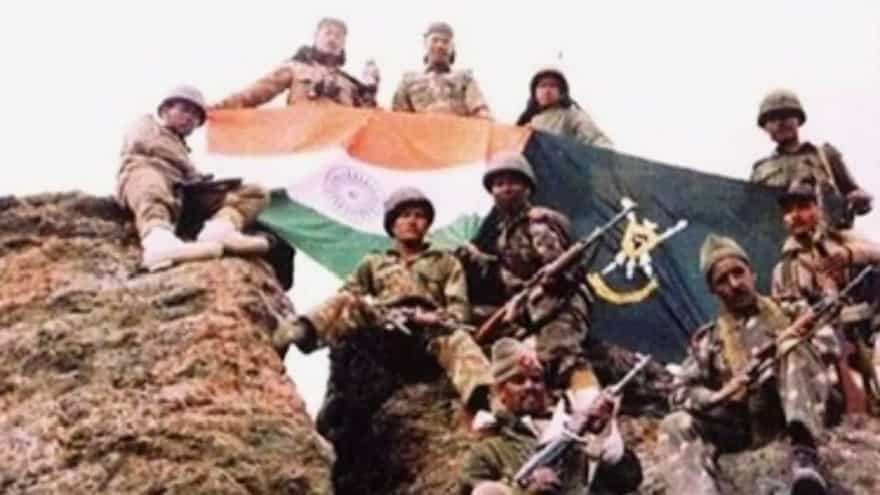
Image credit: Wikimedia Commons
The Invisible Force Of Warfare
When civilians think of military readiness, they often picture intense physical training, rigorous combat drills, and state-of-the-art tactical gear. However, the foundational biological element that allows a human being to operate these tools under immense stress is frequently left out of the conversation.
“Nutrition is the invisible force behind every soldier's endurance, strength, alertness, and recovery,” Dr. Garg explains. “While we often focus on weapons, training, and strategy, none of these can be sustained without proper nourishment. Food acts as fuel, medicine, and protection against illness. During operations, a soldier may walk long distances carrying heavy equipment in harsh environments, and adequate nutrition ensures peak physical and mental performance. In many ways, food is as important as ammunition because it sustains the person using it.”
Beyond physical sustenance, food in the military carries a profound psychological weight. In barren, isolating theaters of war, far removed from civilisation, a meal is a rare tether to normalcy. Dr. Garg notes, “Food has a powerful emotional impact. A nutritious and familiar meal offers comfort, reduces stress, improves morale, and provides a sense of normalcy during prolonged deployments. Shared meals also strengthen camaraderie among soldiers, which is vital for teamwork and emotional resilience under challenging conditions.”
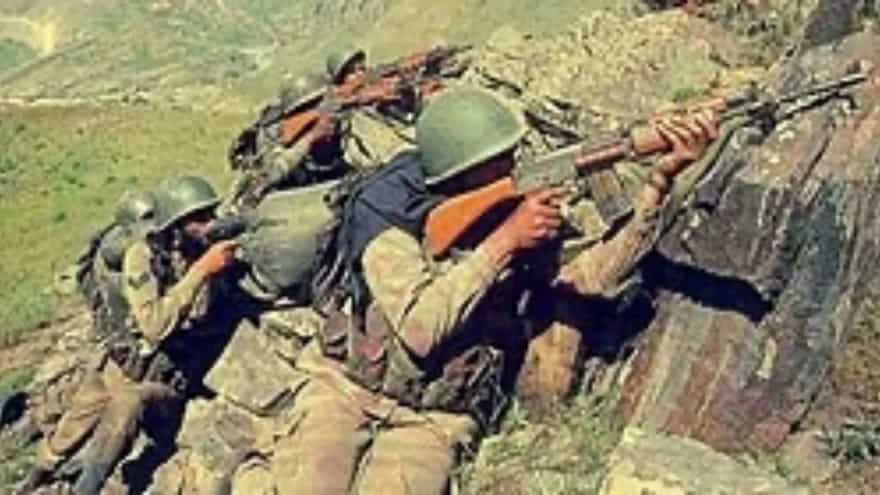
Image credit: Wikimedia Commons
Kargil’s Extreme Theatre: High Altitude And Harsh Reality
The Kargil War of 1999 remains one of the most gruelling high-altitude conflicts in modern military history. Fought at breathtaking elevations, the terrain itself was as much a formidable adversary as the enemy forces. Under these extreme conditions, the human body undergoes severe physiological stress, rapidly burning through its energy reserves simply to stay warm and adequately oxygenated.
Addressing the unique biological toll of such extreme combat environments, Dr. Garg points out: “At high altitudes, the body works much harder due to reduced oxygen availability and extreme cold. Energy expenditure increases significantly, often requiring 4,000–6,000 calories per day, depending on operational demands. Soldiers also require higher carbohydrate intake for efficient energy, increased protein to preserve muscle mass, healthy fats for sustained energy, and additional fluids because dehydration occurs more rapidly in cold, dry environments.”
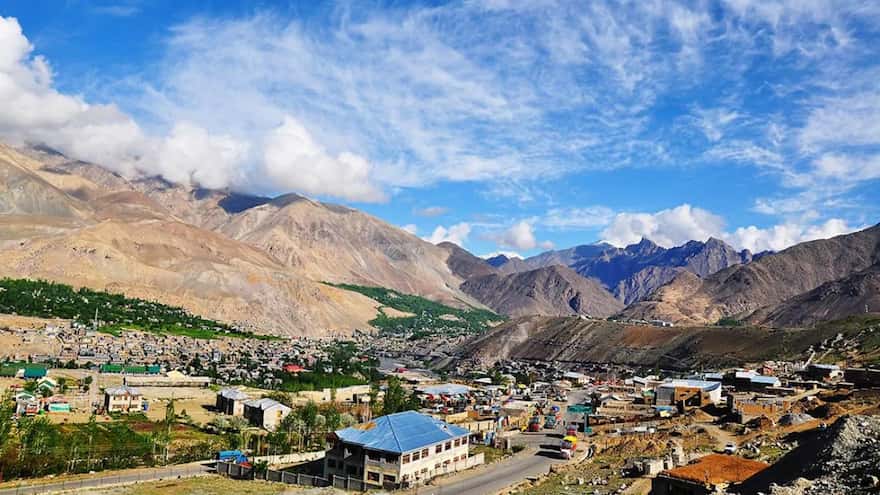
Image credit: Wikimedia Commons
One of the paradoxes of high-altitude warfare is the suppression of the body's natural hunger cues precisely when it needs sustenance the most. “High altitude commonly suppresses appetite, even though energy requirements increase,” Dr. Garg elaborates. “The cold and dry air accelerate fluid loss through breathing, making dehydration a major concern despite reduced thirst. Nutritional plans therefore focus on encouraging frequent hydration, easily digestible high-energy foods, complex carbohydrates, adequate protein, and sufficient vitamins and minerals to support oxygen transport and immunity.”
Logistics: The Challenge Of Feeding An Army On The Move
During the Kargil War, logistics were one of the biggest challenges. Soldiers deployed at altitudes of 15,000–18,000 feet often had to rely on foods that were lightweight, shelf-stable, and could be consumed with minimal cooking. Scaling near-vertical cliff faces under heavy artillery fire meant that carrying bulky food supplies or traditional cooking equipment was impossible. Speaking on the sheer difficulty of executing these delicate supply chains in hostile territory, Dr. Garg states, “The biggest challenges include difficult transportation, limited cooking facilities, freezing temperatures, maintaining food safety, and preserving nutrient quality over long periods. Meal planning must ensure foods remain lightweight, shelf-stable, easy to prepare, and nutritionally complete while still being palatable enough to encourage adequate food intake.”
A typical day's intake during Kargil included:
- Ready-to-eat (RTE) meal packs such as rajma-rice, vegetable pulao, dal-rice, or upma.
- High-energy biscuits and glucose biscuits.
- Dry fruits like almonds, raisins, dates, and cashews.
- Chocolates and toffees for quick energy.
- Instant noodles or soup sachets whenever hot water was available.
- Tea, coffee, glucose powder, and electrolyte drinks.
- Tinned foods such as meat curry, chicken curry, or canned vegetables where available.
- Chapatis or parathas with extended shelf life, supplied through specialised packaging.
- Occasionally local foods like potatoes, eggs, or fresh vegetables when logistics permitted.
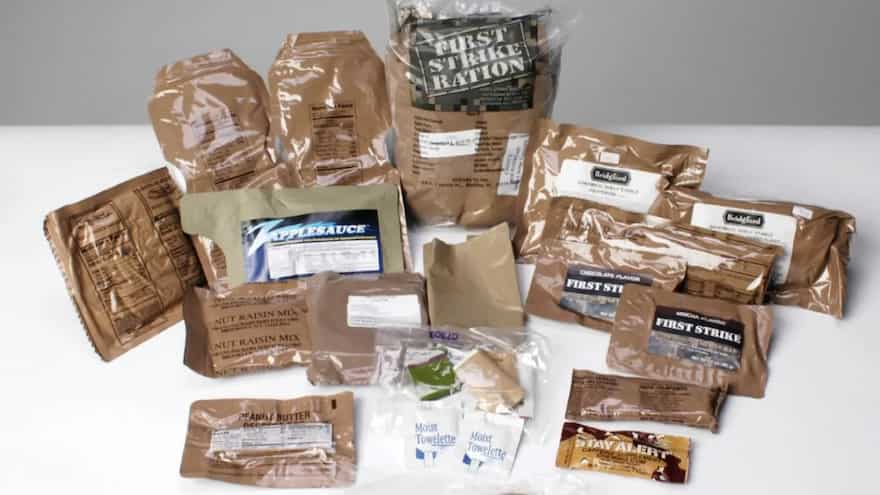
Image credit: Wikimedia Commons (For Representational Purpose Only)
Despite the heavy reliance on these combat rations during active conflict, Dr. Garg is quick to correct a prevalent myth about military diets as a whole. “Many people assume soldiers survive mainly on canned foods or simple packaged meals. In reality, whenever operational conditions permit, the armed forces strive to provide freshly prepared, balanced meals with cereals, pulses, vegetables, fruits, dairy, and protein sources. Field rations are used when necessary, but nutrition standards remain a high priority.”
The Evolution Of Military Nutrition: From Calories To Peak Performance
The landscape of military nutrition has transformed drastically since 1999. Decades ago, the primary objective of field rations was simply to provide enough bulk calories to keep troops moving forward. “Yes, military nutrition has evolved considerably,” Dr. Garg affirms. “Earlier, the focus was mainly on providing sufficient calories. Today, there is greater emphasis on balanced nutrition, food variety, fortified foods, improved packaging, longer shelf life, hygiene, and convenience. Modern ration packs are scientifically designed to support endurance, immunity, and rapid recovery while being suitable for operational environments.”
This evolution is largely driven by rapid advancements in food technology and sports science. “Advances in nutrition science have led to improved ration formulations, fortified foods, ready-to-eat meals, vacuum packaging, better preservation techniques, and evidence-based nutritional planning. These innovations help maintain nutritional quality while improving convenience and operational efficiency.”
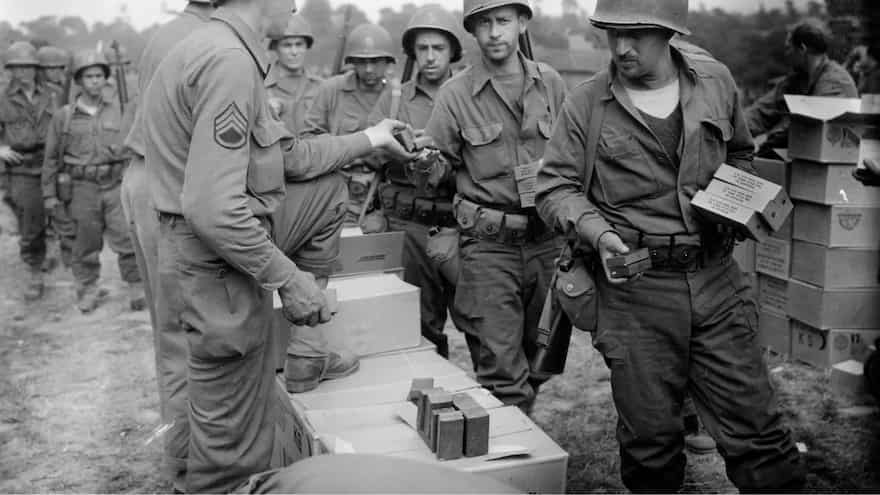
Image credit: Wikimedia Commons (For Representational Purpose Only)
Today's military nutrition has become far more scientific. Soldiers now receive:
- Improved Ready-to-Eat meals with better taste, longer shelf life, and balanced nutrition.
- High-protein snack bars and energy bars.
- Better hydration products and oral rehydration solutions.
- Protein-rich foods including eggs, chicken, fish, paneer, soybean products, and dals.
- Whole grains such as brown rice, millets, oats, and whole wheat preparations in many units.
- Fresh fruits and vegetables whenever supply chains allow.
- Better food packaging technology that maintains food quality in extreme climates.
The calculus behind creating these modern meals is intensely intricate. “Several factors are considered, including the soldier's workload, climate, altitude, mission duration, hydration needs, digestion, food safety, cultural preferences, nutrient density, ease of preparation, portability, and psychological satisfaction. The goal is to optimise both physical performance and mental resilience.” She further sheds light on an aspect of military dietary science that often goes entirely unnoticed by the general public: “Many people don't realise that military nutrition is highly scientific and individualised. Diets are adjusted according to climate, altitude, workload, and operational demands. Hydration strategies, micronutrient intake, electrolyte balance, and recovery nutrition are carefully considered because even small nutritional deficiencies can affect operational readiness.” The emphasis has shifted from simply providing calories to optimising physical performance, recovery, immunity, and mental alertness.

Image credit: Wikimedia Commons (For Representational Purpose Only)
Translating Military Discipline To Civilian Health
While the average civilian may never face the cardiovascular extremes of a high-altitude combat zone, the underlying principles of military nutrition hold immense value for everyday life. When asked if there are overarching lessons the public can borrow from the armed forces, Dr. Garg is unequivocal: “Certainly. Military nutrition teaches us the importance of consistency rather than extremes. Planning meals in advance, staying hydrated, eating balanced portions, consuming adequate protein, avoiding prolonged fasting, and adapting food choices to physical activity levels are valuable habits that everyone can adopt for better health and productivity.”
A Final Tribute On Kargil Vijay Diwas
As we reflect on the enduring legacy of the Kargil War and the indomitable spirit of the men and women who fought it, it is crucial to broaden our appreciation to include the vast logistical and scientific frameworks that keep our military functioning. Dr. Garg perfectly encapsulates this sentiment as a closing thought for this solemn day of remembrance: “On Kargil Vijay Diwas, we honour the courage and sacrifice of our soldiers. Alongside their bravery, we should also recognise the dedicated systems that keep them mission-ready, including nutrition. Every well-planned meal contributes to strength, endurance, recovery, and resilience. Supporting our armed forces means appreciating every element that enables them to serve the nation, including the science of nutrition. Good nutrition may not always be visible, but it is an essential part of every soldier's success and well-being.”




