


 Share
Share

The history of the Assam Regiment is inextricably linked to one of the most famous regimental songs in the Indian Army, titled Badlu Ram Ka Badan. This anthem is not a traditional folk melody from the Northeast, but a military composition rooted in the logistical realities of the Second World War. The lyrics were penned in 1946 by Major MT Proktor at the Assam Regimental Centre in Shillong. Major MT Proktor set the words to the stirring and rhythmic tune of the American folk song John Brown’s Body. This melody was already familiar to the troops as it shared the same tune as the Battle Hymn of the Republic, making it an ideal choice for a marching cadence that recruits could easily follow during drill.
The Formation Of A Regional Identity
The Assam Regiment was a relatively young unit at the time of the events described in the song. Raised on 15 June 1941, the regiment was formed to utilise the unique mountaineering and jungle-craft skills of the various tribes from Northeast India, including the Nagas, Mizos, Kukis, Garos, and Manipuris. The 1st Battalion, known as the Rhinos, was thrust into the front lines of the Burma Campaign in 1944. This was a period of intense conflict as the Japanese Imperial Army launched Operation U-Go, an offensive designed to capture the strategic hubs of Imphal and Kohima and disrupt the Allied supply lines to China.
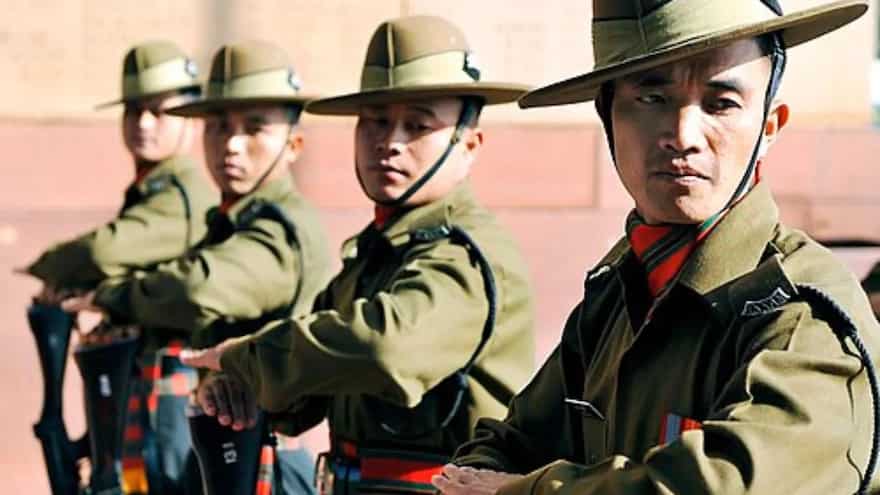
Image credit: Wikipedia
The Jungle Front: Jessami And The Japanese Advance
The factual basis of the song begins in March 1944 at the Battle of Jessami. The 1st Battalion was tasked with a delaying action to halt the Japanese 31st Division. It was during this fierce engagement that Rifleman Badlu Ram, a dedicated soldier of the battalion, was killed in action. The combat at Jessami was brutal, involving close-quarter fighting in dense jungle and steep mountainous terrain. Following the five-day stand at Jessami, the battalion was ordered to withdraw to the defensive perimeter at Kohima. In the chaos of this fighting retreat, a significant administrative oversight occurred: the company quartermaster failed to update the muster rolls to reflect the death of Rifleman Badlu Ram. Consequently, his name remained on the active duty strength return throughout the transition to the Siege of Kohima.
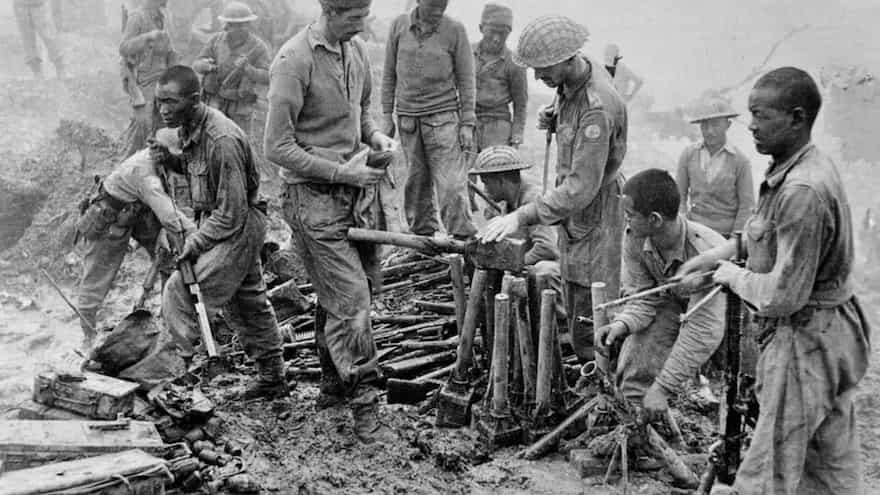
Image credit: Wikipedia
A Clerical Error Amidst Chaos
This administrative error had profound logistical consequences. Military logistics during the Burma Campaign were governed by strict ration scales based on the number of active personnel in a unit. Because Badlu Ram was still officially listed as present, the logistical chain of the British Indian Army continued to dispatch his daily allotment of food. The standard daily ration for an Indian soldier at the time was quite specific. It typically consisted of 680 grams of atta or wheat flour, 110 grams of dal or lentils, and 40 grams of ghee or clarified butter. Additionally, soldiers were allotted 40 grams of sugar, 7 grams of tea, and 20 grams of salt. These items were essential for maintaining the physical stamina required for mountain warfare, as detailed in historical accounts of the Battle of Kohima.
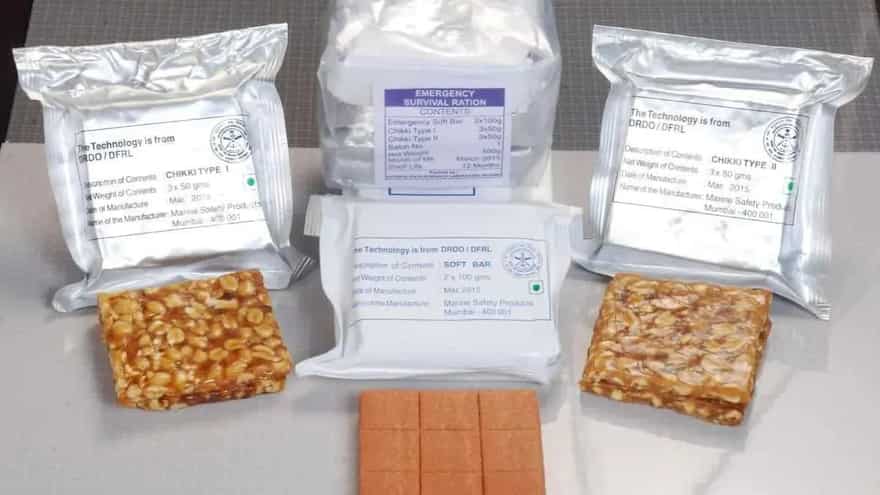
Image credit: DRDO
The Strategic Importance Of The Kohima Siege
The Siege of Kohima lasted from April to June 1944, and for much of that time, the Allied defenders were entirely cut off from ground resupply. They relied on hazardous air drops from Dakota aircraft. Due to the narrowness of the ridge held by the troops and the frequent heavy monsoon clouds, many of these supply drops landed in Japanese territory or inaccessible ravines. This led to a desperate shortage of food for many units within the perimeter. However, the company formerly belonging to Badlu Ram discovered they had an unexpected surplus. Because his rations had been drawn and stored for several weeks after his death at Jessami, a substantial stockpile of dry goods had accumulated in their stores.

Image credit: DRDO
Surviving On Badlu Ram's Rations
When the siege reached its most critical phase and other units were forced onto half-rations, the men of the Assam Regiment were able to supplement their diet with the unclaimed rations of their fallen comrade. This surplus provided the extra calories and nutrition needed to endure the physical exhaustion of the siege. Factual military histories of the period note that this extra food played a role in maintaining the morale and physical strength of the battalion during some of the most intense hand-to-hand fighting of the war. The story of this providence became a part of the battalion’s lore, eventually leading Major MT Proktor to formalise it into song lyrics two years after the war ended.

Image credit: Defense Forum Bharat
Composition And Meaning Of The Lyrics
The lyrics of the song are descriptive and functional, intended to serve as a rhythmic march. The opening line, Badlu Ram ka badan zamin ke niche hai, translates to the statement that Badlu Ram’s body is under the earth. This is a factual acknowledgement of his burial in the hills of Nagaland. The following line, Toh humein uska ration milta hai, confirms that the unit receives his rations. The chorus then breaks into the repeated refrain of Shabaash, Shabaash, Hallelujah. The term Shabaash is a traditional Indian word for well done or bravo. By combining this with Hallelujah, the song creates a secular but high-spirited anthem that celebrates the endurance of the regiment. Within the context of the Indian Army, this song is viewed as a tribute to the bond of brotherhood that persists even after death, as shown in various regimental heritage features.
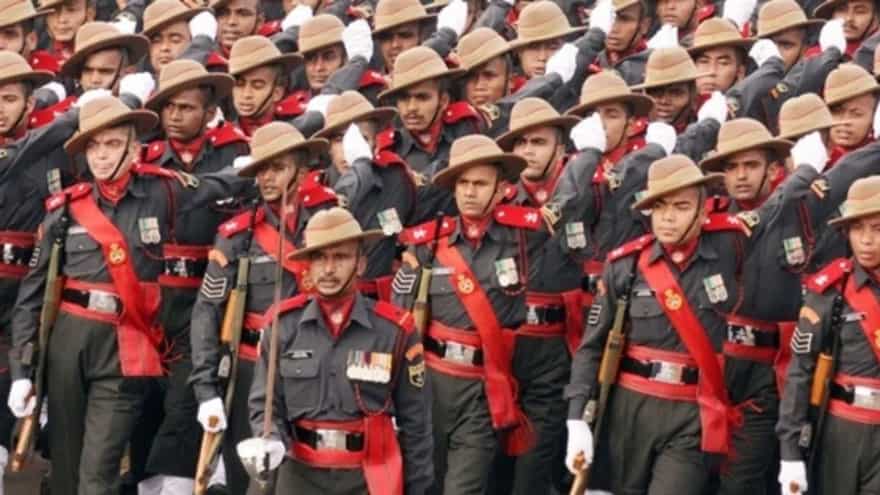
Image credit: My India my glory
Modern Traditions And Global Reach
The legacy of the song remains strong in the modern era. It is the official regimental song of the Assam Regiment and is performed with great pride at the Regimental Centre in Shillong. During passing out parades, young recruits perform a specialised rhythmic march while singing the lyrics, a sight that has frequently gone viral on social media. The training of these recruits includes a formal education on the history of the 1st Battalion and the logistical miracle of 1944. The song serves as a reminder that every administrative detail, from the muster roll to the ration return, has a direct impact on the survival of soldiers in the field.




