


 Share
Share

Every year, on March 25, International Waffle Day is celebrated. The day celebrates the crisp, golden treat that has been a staple in foreign kitchens for years. Waffles, with their grid-like pattern, are not just breakfast food; they are a canvas for cultural flavours, sweet or savoury, and a source of culinary ideation worldwide.
The origins of Waffle Day trace back to Belgium, where the waffle evolved from medieval communion wafers to a classic street food. Over time, other countries gave their own local twist, changing waffles into snacks, desserts, or even into main meals.
This Waffle Day, let’s take a culinary journey around the globe and explore how different countries enjoy this beloved treat. Each place displays its own local taste, textures, and traditions to eat it, showing how a simple batter can be used in infinite ways.
Belgium: Classic Liege And Brussels Waffles
Belgium is the home to the modern waffle, known for the Liege and Brussels varieties. Liege waffles go back to the city of Liège, where they were initially enjoyed by royalty and then popularised as street food, whereas Brussels waffles were originally introduced at the 1958 World Expo in Brussels.
Liege waffles are thick, caramelised, and dotted with pearl sugar, making pockets of crunchy sweetness. Brussels waffles, on the other hand, are lighter, having crisp exteriors and soft, airy interiors. They are usually served with chocolate, fresh berries, or whipped cream on top. Eating any of them feels like tasting history in every bite.
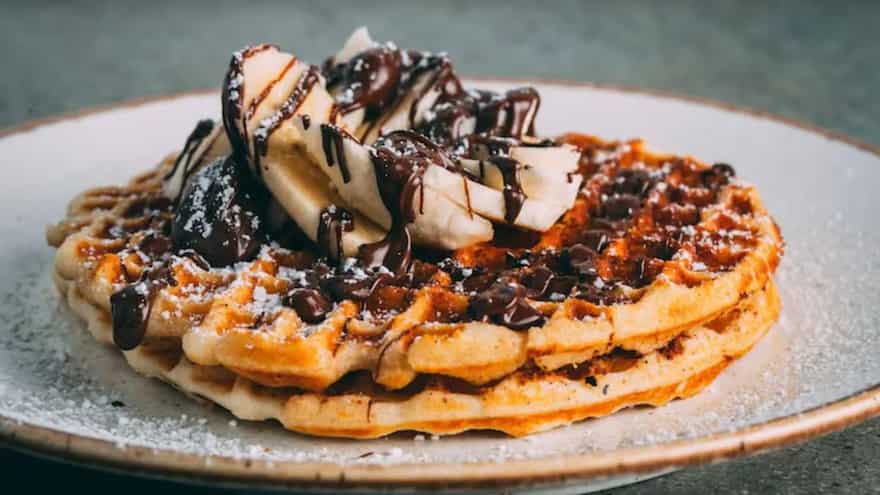
(Image credit: Freepik)
Sweden: Heart-Shaped Waffles
Swedish waffles have been part of local practices since the 17th century, often associated with the spring festival and religious holidays. In Sweden, you will find waffles often infused with cardamom or vanilla and served with berries and cream. They are usually heart-shaped and are a replica of fika, the traditional coffee break. The smaller grid holds toppings, and every bite perfectly balances the sweetness and the spice.
Waffle irons in Sweden often have wooden handles and detailed designs, displaying craftsmanship as much as culinary skill.
Hong Kong: Bubble Egg Waffles
Bubble egg waffles or Gai daan jai originated in the 1950s as a cheap snack, prepared to maximise egg and flour for texture. The unique bubble shape is derived from a specialised iron mould, and vendors often cook them fresh. It’s more than just a treat here; it’s part of Hong Kong’s street food culture, mixing visual appeal, crunch, chew, and sweet satisfaction in every bite. These waffles highlight Hong Kong’s love for creative street food with bold textures.
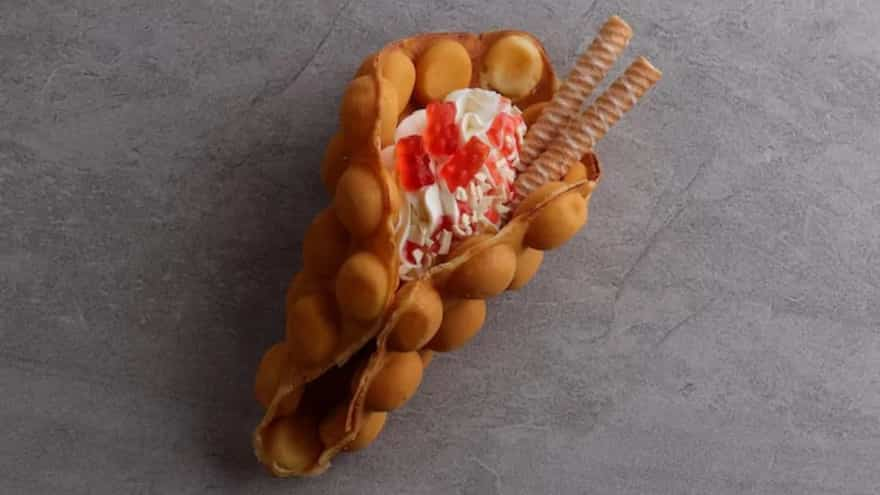
(Image credit: Freepik)
United States: Buttermilk And Savoury Waffles
Waffles reached America in the 18th century via the Dutch, who settled here, and became a regional dish. From thin, crisp waffles in the Midwest to a thicker, fluffier version in the South. Waffles are never less than a canvas here, and brunch menus often highlight chef creations, from seasonal fruits, artisanal cheeses, or infused syrups, making each bite an experience to remember rather than just breakfast.
American waffles go from classic buttermilk to creative savoury creations. They pair flawlessly with fried chicken, bacon, avocado, or maple syrup. It's a representation of how waffles can adjust to a variety of tastes, mixing comfort food nostalgia with modern cooking creativity.
Japan: Taiyaki Waffles
Japan offers Taiyaki, a fish-shaped treat resembling a waffle in texture. The fish shape is associated with good luck and fortune. Traditionally filled with sweet red bean paste or custard, Taiyaki blends a crisp exterior with a soft interior. These fun waffles show Japan’s creation in snack culture, mixing visual appeal with traditional flavours. Taiyaki exhibits that waffles don’t have to be necessarily square or triangle-shaped, but they can be fun, culturally symbolic, and delicious all at once.




