


 Share
Share

As October brings the crisp promise of autumn to some parts of the world and a gentle respite from the monsoon in others, it also heralds International Coffee Day. This year, the global celebration of the beloved bean invites us to look beyond our frantic morning espresso shots and oversized travel mugs. We are constantly rushing, treating caffeine as mere fuel for productivity. Yet, nestled in the heart of Scandinavia is a cultural phenomenon that demands the exact opposite. The Swedish practice of fika is an institution, a daily ritual that elevates the simple act of drinking coffee into a masterclass in slow living. It is a concept that resonates deeply with anyone who appreciates the warmth of a shared beverage, making it the perfect philosophy to explore in the year ahead.
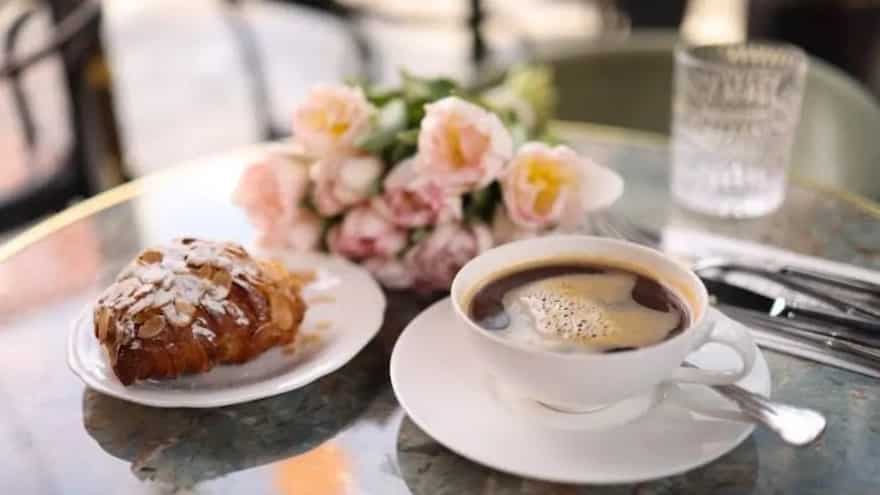
Image credit: Pexels
More Than Just A Coffee Break
To translate fika merely as a coffee break is to misunderstand its cultural weight completely. Functioning as both a noun and a verb, it represents a deliberate pause in the day. It is an intentional moment to step away from screens, deadlines, and demands to reconnect with oneself or converse with others. You can fika with a colleague, a friend, or even in peaceful solitude. The beverage is essential, naturally, but it is the atmosphere of unhurried presence that truly defines the experience. In many ways, it mirrors the intrinsic rhythm of our own afternoon rituals, where a steaming stainless steel tumbler of filter coffee or a freshly brewed cardamom chai provides a backdrop for spirited discussions and quiet reflection alike. However, the Swedes have woven this pause into the very fabric of their societal identity.
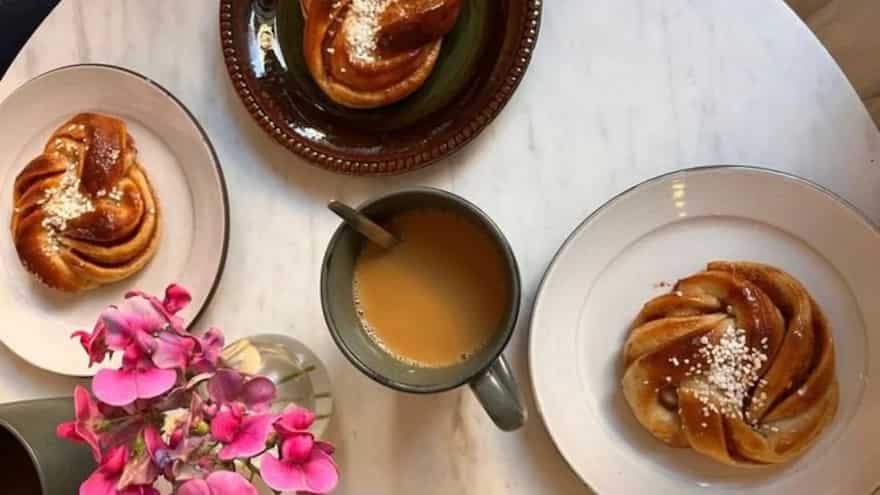
Image credit: Pexels
A Turbulent History Of Illicit Brews
When we trace the lineage of this cherished tradition, we find origins that are remarkably turbulent for a practice now associated with absolute serenity. Coffee first arrived on Swedish shores in the late seventeenth century, initially remaining a rare luxury exclusively reserved for the most affluent members of society. As imports increased and its popularity surged across different classes, the Swedish government grew deeply wary of this foreign commodity. Fearing its economic impact and harbouring strange superstitions about its health effects, authorities enacted harsh legislation. In a fascinating display of historical irony, the Swedish monarchy banned coffee no less than five times throughout the eighteenth and nineteenth centuries. Far from curbing the habit, these prohibitions drove coffee consumption underground, transforming the simple act of brewing a cup into a thrilling, rebellious endeavour. The word fika itself is a direct product of this clandestine era, widely believed to be a playful reversal of syllables from the word kaffi, an old spelling for coffee. By switching the sounds around in back-street slang, citizens could discuss their illicit brews in public without arousing the suspicion of passing guards.
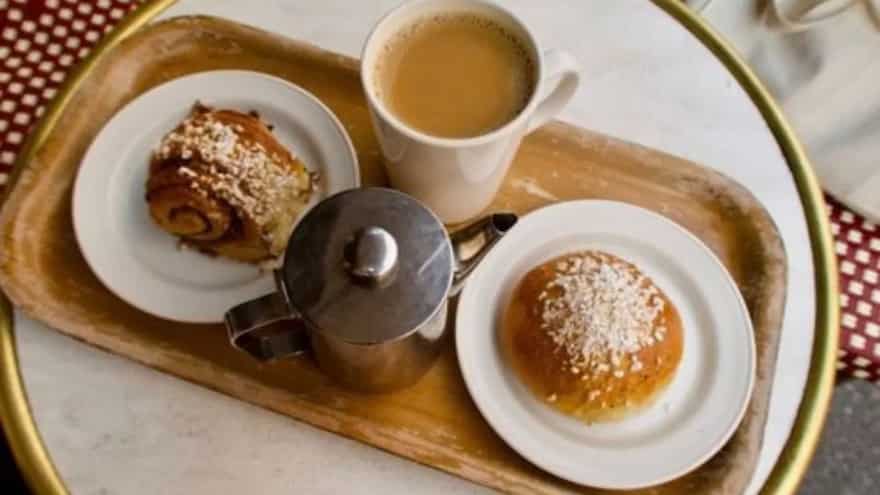
Image credit: Pexels
The Rule Of Seven Cookies
Once the bans were permanently dismantled in the nineteenth century, coffee culture blossomed openly and joyously. Industrialisation began reshaping the rural landscape, and public coffeehouses quickly emerged in cities, sitting comfortably alongside elegant patisseries opened by newly arrived Swiss immigrants. It was during this vibrant era that the custom of pairing strong coffee with sweet baked goods, collectively known as fikabrod, truly took root. What began as a simple beverage evolved into an elaborate, domestic display of hospitality. The release of a highly influential Swedish baking book in the mid-twentieth century cemented a famous societal rule regarding the serving of seven types of cookies. When hosting a gathering, presenting exactly seven varieties of small biscuits became a strict marker of social grace and generosity. Serving fewer than seven implied a stingy household, while serving more was viewed as unseemly boasting. This delicate, unspoken balance perfectly encapsulates the overarching Swedish ethos of lagom, a philosophy that translates roughly to having just the right amount.
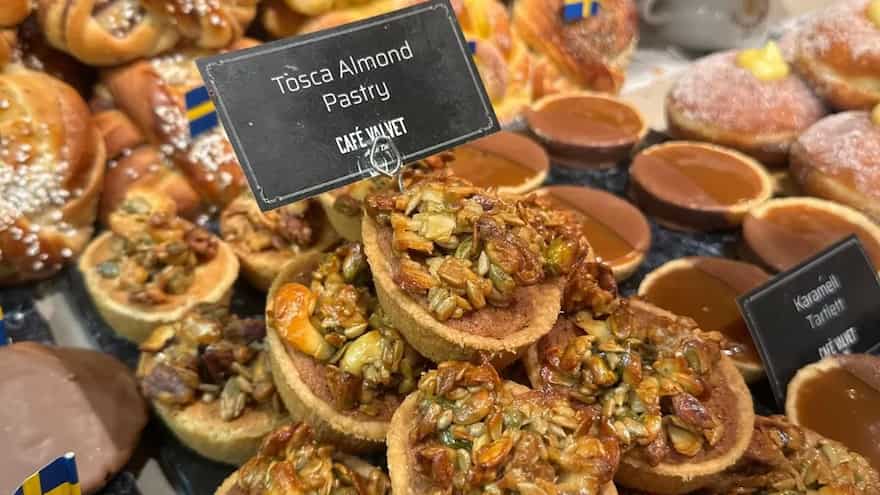
Image credit: Pexels
The Staples Of A Traditional Spread
Today, a traditional fika spread is a joyous celebration of baked perfection, dominated by a few iconic staples. The undisputed champion is the kanelbulle, a beautifully twisted cinnamon bun flecked with crunchy pearl sugar. Unlike heavily frosted variations found elsewhere, the Swedish cinnamon bun is understated, relying on a rich, buttery dough and the warming spice of cinnamon. For those who prefer a more complex flavour profile, the kardemummabulle strips away the cinnamon, letting the aromatic, citrusy notes of pure cardamom shine.
Chocolate enthusiasts gravitate towards the chokladboll, a nostalgic, no-bake treat crafted from rolled oats, cocoa, sugar, butter, and a splash of strong coffee, rolled generously in desiccated coconut. Another beloved fixture is the kladdkaka, literally translating to sticky cake. This dense, gooey chocolate dessert boasts a perfectly crisp exterior and a molten centre, traditionally served with a dollop of softly whipped cream or a handful of fresh berries. For truly festive occasions, the prinsesstarta makes a grand appearance. This visually striking dome consists of airy sponge cake, layers of vanilla custard and raspberry jam, mounds of whipped cream, and a smooth coating of bright green marzipan.
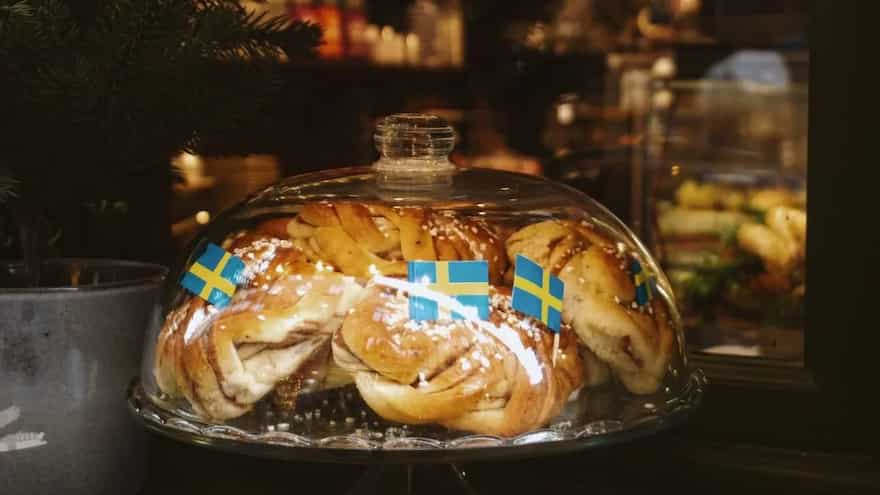
Image credit: Pexels
From Parlours To Boardrooms
As the tradition marched gracefully into the modern era, it underwent a fascinating transition from private domestic parlours to high-stakes corporate boardrooms. In the twentieth century, structured coffee breaks were officially woven into Swedish labour agreements, acknowledging that human beings require rest to function creatively. Today, morning and afternoon fika sessions are protected, highly respected components of the workday across the entire country. They are universally viewed not as a frivolous loss of productive time, but as a critical investment in employee wellbeing, mental sharpness, and corporate cohesion. During these designated breaks, professional hierarchy is temporarily suspended around the coffee table. Junior staff members and senior executives sit side by side, sharing creative ideas, solving complex problems, and dismantling departmental silos over freshly baked pastries. The resulting atmosphere fosters immense psychological safety, leading to a workforce that consistently ranks among the happiest, most innovative, and most productive in the world.
Image credit: Pexels
Reclaiming The Pause Today
As we observe International Coffee Day in an increasingly hyperconnected world, the lessons embedded in this Swedish custom are more vital than ever. We are conditioned to optimise every waking minute, often eating lunch at our desks and taking our coffee in paper cups while rushing to the next commitment. Fika challenges this relentless momentum. It asks us to sit down, pour our coffee into a proper ceramic mug, and engage fully with the present moment. It teaches us that resting is not the opposite of working; it is a necessary component of sustainable living.
Adopting this philosophy does not require a flight to Stockholm or an oven full of complex pastries. It simply requires a shift in mindset. Here, where the culture of taking a breather to share a hot beverage is already ingrained in our social fabric, we can easily elevate our daily habits. Instead of scrolling through a smartphone while drinking your morning brew, try dedicating those fifteen minutes to genuine conversation or uninterrupted stillness. Allow the rich aroma of roasted beans to ground you. Savour a small, sweet companion to your drink, noticing the interplay of flavours. By reclaiming our breaks from the clutches of productivity, we honour the true spirit of coffee. This International Coffee Day, let us all take a collective breath, brew a fresh pot, and embrace the profound simplicity of slowing down.




