


 Share
Share

Airports have historically been culinary purgatories, transient spaces where convenience trumps quality and diners are a captive audience. However, the global shift towards turning terminals into lifestyle destinations has begun to disrupt this model. Enter Bastian. A brand synonymous with Mumbai high-energy dining has made an unconventional leap for its first foray into Gujarat by opening Maison Twenty-Seven inside Sardar Vallabhbhai Patel International Airport in Ahmedabad.
Opening a premium, traditionally seafood-forward restaurant inside a transit hub in a predominantly vegetarian state is a calculated gamble. It tests both the elasticity of the Bastian brand and the evolving consumption habits of the modern traveller. Choosing an airport over a high-street location in a tier-one city challenges conventional restaurant expansion models. Yet, for Bastian Hospitality, the decision is anchored in rapid macroeconomic shifts within Ahmedabad. The city is currently undergoing a massive infrastructural transformation, driven by the expansion of GIFT City, an influx of corporate investment, and preparations for future global events.
Ranjit Bindra, who leads the strategic vision, explains the rationale behind the location. "We saw the airport as much more than a transit point," he states. "Around the world, airports are evolving into destinations in their own right, offering experiences that extend well beyond travel. With Ahmedabad's growing airport ecosystem, the development of GIFT City and the city's broader infrastructure growth, we saw an opportunity to create something different from a traditional standalone restaurant."
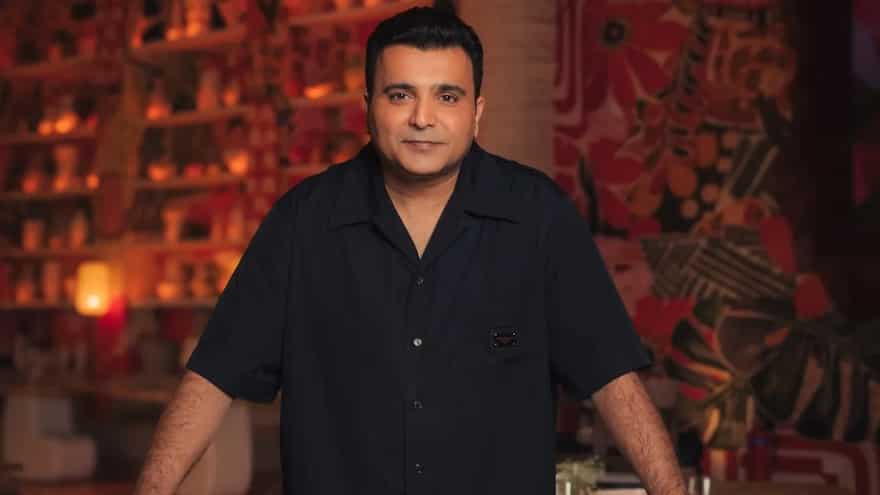
Image credit: Maison Twenty Seven
An Integrated Destination
To execute this, Bastian partnered with Adani Airports, a collaboration built on the premise that airport precincts are becoming accessible to local communities, not just ticketed passengers. The resulting space, Maison Twenty-Seven, is positioned as an integrated hospitality and wellness destination spanning an impressive 52,000 square feet. With a seating capacity of over 400, it is currently the largest Bastian property nationwide. According to Bindra, "While it is ideally positioned for travellers, it was always designed to serve the local community just as much, creating a destination people can visit as part of their everyday lifestyle."
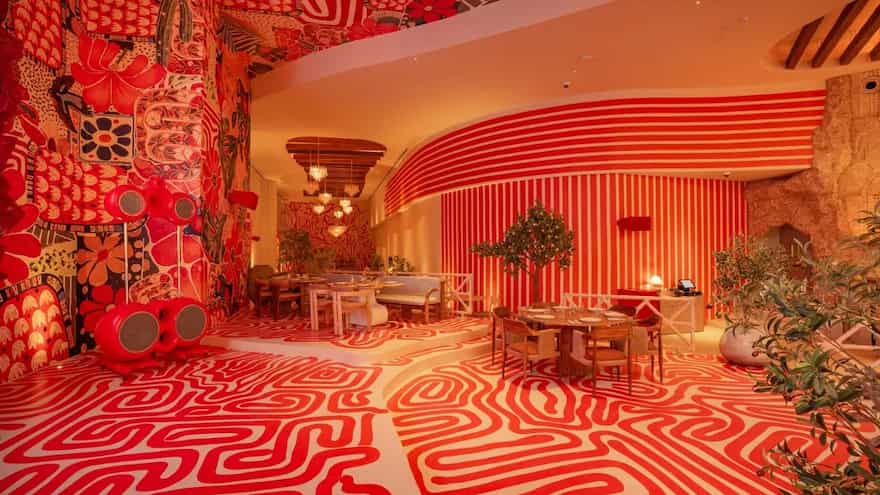
Image credit: Maison Twenty Seven
Adapting The Culinary DNA
Perhaps the most critical challenge for Bastian in Gujarat is culinary. The brand built its reputation on indulgent seafood, crab, and robust non-vegetarian offerings. Ahmedabad, conversely, has a fiercely proud and deeply ingrained vegetarian food culture. Dropping a Mumbai-centric seafood menu untouched into Ahmedabad would have been tone-deaf, but abandoning seafood entirely would dilute the brand identity. The middle ground required a structural menu pivot.
"Gujarat's culinary identity certainly informed our approach, but rather than simply adapting existing dishes, we focused on understanding how people in Ahmedabad like to dine," Bindra states. "We expanded our vegetarian offering across cuisines, ensuring those dishes are as thoughtful, indulgent and flavour-forward as our seafood and non-vegetarian selections."
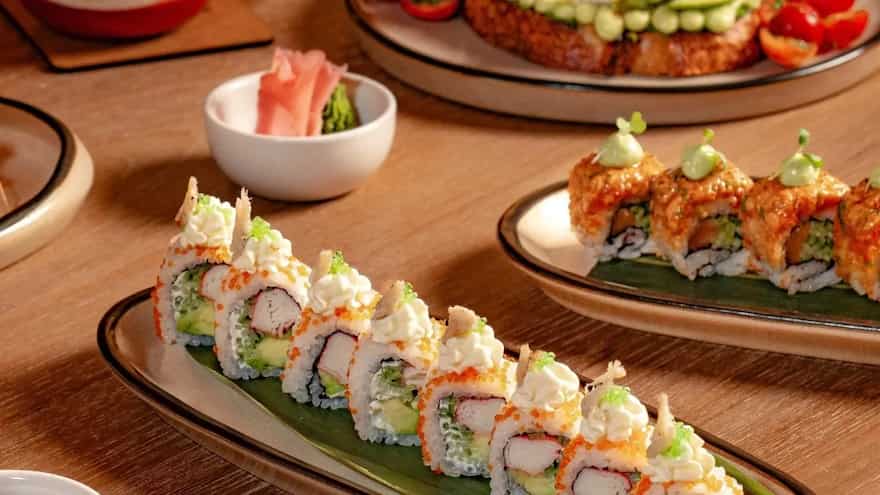
Image credit: Maison Twenty Seven
The local culinary team has expanded the vegetarian menu with unique additions, such as the Veg Taco and Strawberry Matcha, while ensuring signature seafood dishes remain available for those seeking the classic Bastian experience. A major highlight of the new menu is the Temptation Room, a dedicated space offering unlimited artisanal desserts to satisfy the famous Gujarati sweet tooth. Visual food presentation has also taken centre stage, with dishes plated artfully to create an immersive dining experience rather than just a practical meal.
Bindra notes, "Rather than focusing on any one category, we wanted to create a menu that feels inclusive, balanced and representative of the Bastian experience, giving guests the opportunity to discover the brand in a way that resonates with them." Interestingly, the local market has not been rigidly traditional in its response. One of the biggest surprises for the team has been the openness of diners in Ahmedabad to explore new culinary experiences, demonstrating a genuine curiosity for contemporary formats alongside their own regional traditions.

Image credit: Maison Twenty Seven
Navigating The Dry State Dynamic
Operating in Gujarat also presents a unique atmospheric challenge. As a dry state, the absence of alcohol fundamentally changes the dynamic of a premium restaurant. Bastian is typically known for its bustling bar scene and signature cocktails, but at Maison Twenty-Seven, the focus shifts towards elevated cafe culture, wellness, and visual innovation. To compensate for the lack of a traditional bar, the venue has introduced a prominent Matcha Bar and relies heavily on theatrical food plating. The energy that would normally stem from nightlife is instead channeled into lifestyle and recovery offerings. The wellness centre features cryotherapy, hyperbaric oxygen therapy, hot and cold plunge pools, dry flotation therapies, and sound healing studios. This pivot turns a potential limitation into a unique selling point for weary travellers and health-conscious locals alike.
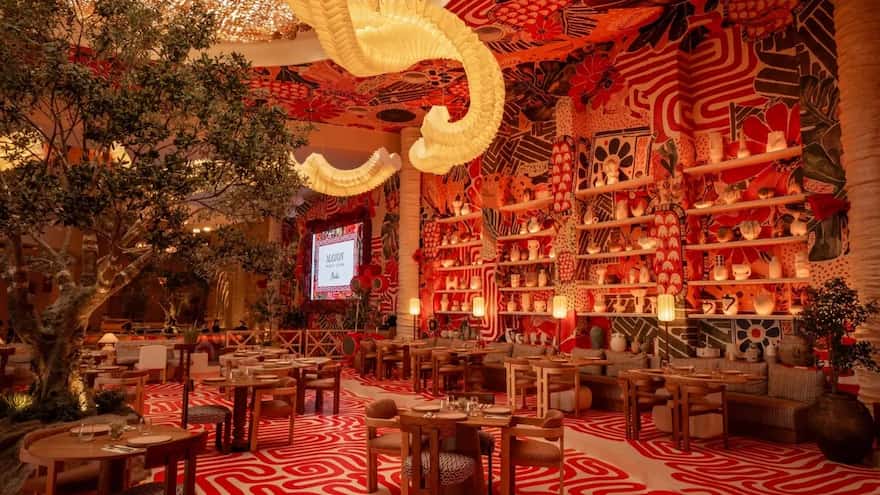
Image credit: Maison Twenty Seven
Operations And Pricing
Running a luxury dining venue inside an airport introduces operational friction that high-street venues never face. Supply chains, ingredient deliveries, and staff movements are entirely beholden to strict aviation security protocols. From logistics and security protocols to supply chain management, there are additional operational considerations, but the focus has always been on ensuring they do not impact the guest experience.
Then there is the issue of pacing. Fine dining is traditionally leisurely, whereas air travel is inherently time-bound. A premium airport restaurant must cater simultaneously to a passenger rushing for a boarding call and a local executive settling in for a two-hour lunch. Bindra acknowledges this dichotomy, noting that every guest comes to Maison Twenty-Seven with a different purpose. "Our role is to understand those different needs and deliver an experience that feels seamless, without compromising on quality, service or attention to detail," he explains.
This brings up the inevitable question of cost. Airport food is notoriously subjected to inflated transit pricing. However, Bastian has opted for parity, attempting to maintain high-street value in a terminal setting. "Our pricing reflects the overall experience, the quality of the ingredients and the level of service we offer, while also being mindful of the local market," says Bindra. "We weren't looking to price the restaurant differently because it's located at an airport."
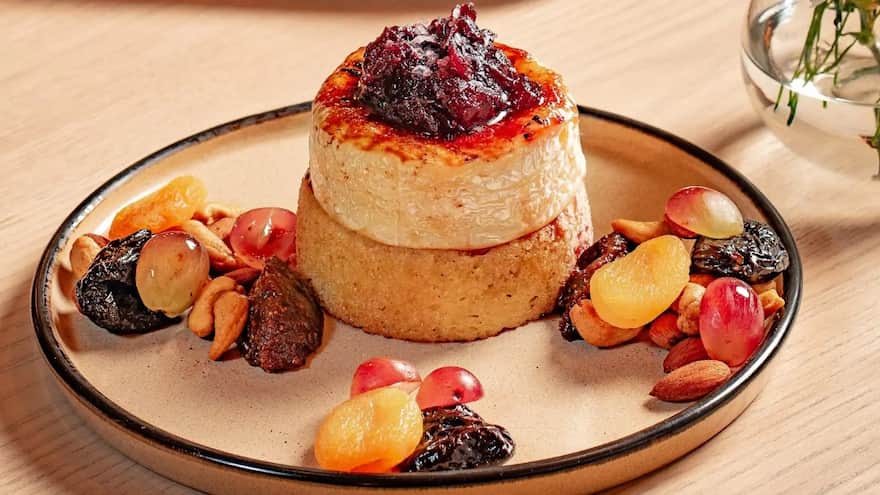
Image credit: Maison Twenty Seven
The Dual Audience
Maison Twenty-Seven serves a dual audience, eliminating the need for strict demographic boundaries. For the transient traveller, it offers pre-flight dining, rapid wellness recovery, and transit meetings with speed and efficiency. For the local resident, it provides destination dining, business lunches, and weekend family meals within a luxury environment. This approach appears to be taking root. Bindra observes that while travellers visit before or after their journeys, local residents are also choosing the space for business meetings, family meals and wellness experiences. "It reinforces our belief that the destination can serve different occasions throughout the day, rather than being defined solely by its airport location," he says.

Image credit: Maison Twenty Seven
A Blueprint For Future Expansion
If successful, Maison Twenty-Seven could serve as a blueprint for how luxury restaurant groups expand in rapidly modernising tier-two cities. It suggests that brands no longer need to wait for prime commercial complexes if a local airport can provide the necessary infrastructure and footfall. While business metrics will ultimately dictate the long-term viability of the venture, the leadership team is looking at broader indicators of integration. "Success, for us, will be reflected in guests choosing to return because of the experience, not just the location," Bindra notes.
In five years, Bastian hopes Maison Twenty-Seven will be viewed not as a quirky airport offshoot, but as a turning point in the brand evolution. "It represents an evolution of the brand, bringing together dining, wellness and hospitality within a single destination," Bindra concludes. "More than anything, we hope it demonstrates that great hospitality is about creating meaningful experiences that become part of people's everyday lives." By challenging the boundaries of where luxury dining belongs, Bastian is altering the landscape of airport hospitality.




