


 Share
Share

Today, 17 September, marks the observance of Indira Ekadashi. According to the Hindu calendar, this fast falls in the month of Ashwin and is dedicated to Lord Vishnu. Devotees observe the day with strict fasting, prayers, and charitable acts. Indira Ekadashi holds particular significance as it is believed to help bring peace to departed ancestors, with the prayers and rituals performed on this day extending beyond the self to include blessings for the family lineage. The rules of the fast are set with clarity, and food plays an important role in maintaining the discipline of the day. Grains, lentils, pulses, and onions or garlic are not taken. Instead, permitted ingredients such as root vegetables, fruits, nuts, dairy, and specific flours are used to prepare simple yet fulfilling meals. Each dish is created with awareness, not only to sustain the body but also to keep the mind steady for devotion and remembrance.
Allowed Flours And Grains for Fasting
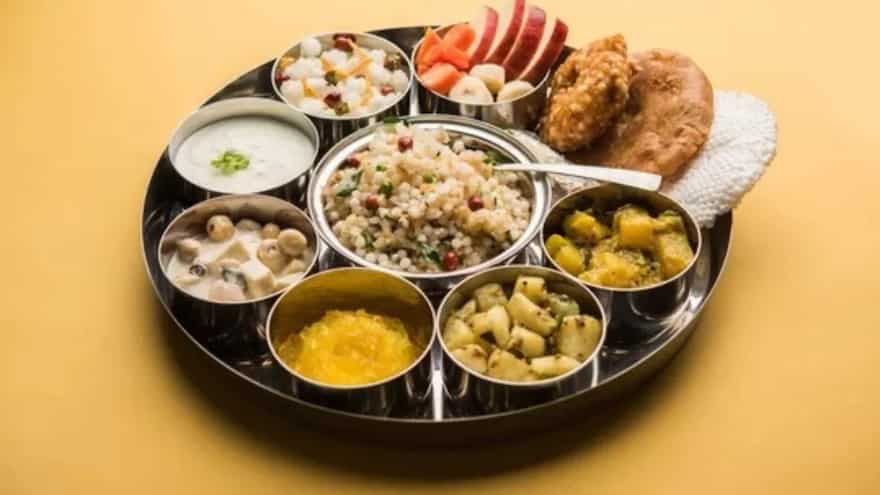
On Indira Ekadashi, common staples such as rice, wheat, maize, and pulses are avoided, as they are considered unsuitable for fasting. Instead, vrat-friendly flours are used, which are deeply rooted in tradition and known to support energy levels during fasting. Singhara flour, derived from water chestnuts, is widely used to prepare rotis or halwa. Kuttu flour, made from buckwheat, is another staple, often turned into puris or parathas that are cooked in ghee and eaten with simple sabzis. Rajgira flour, obtained from amaranth, is also permitted and provides a nutty, wholesome base for rotis or laddoos. Alongside these, sabudana or sago pearls feature strongly during Ekadashi fasts. They are cooked as khichdi with potatoes or as kheer with milk and cardamom. Samak rice, also called barnyard millet, is another option and is often prepared in the form of pulao or kheer. These alternatives not only follow the ritual guidelines but also ensure that fasting does not weaken the devotee during the day’s observances.
Fruits, Nuts, And Dairy Preparations
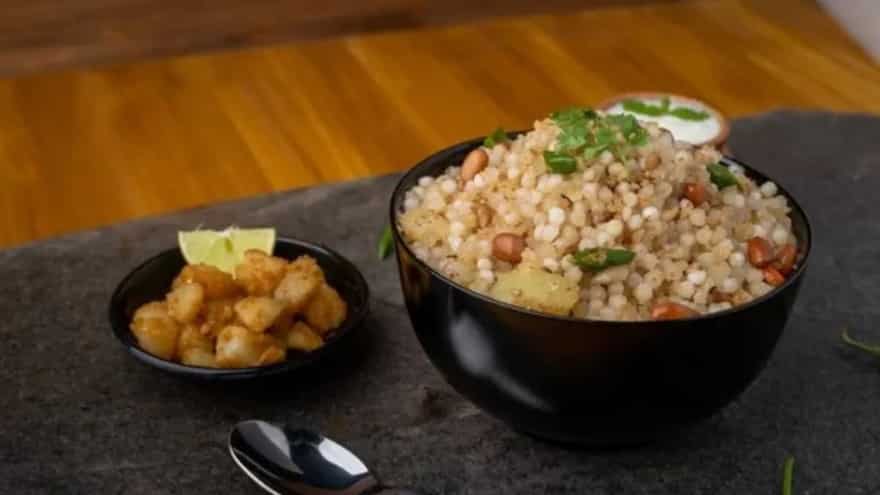
Fruits are considered the purest offering during fasts and are therefore an integral part of Indira Ekadashi meals. Devotees often keep bowls of bananas, apples, papayas, and pomegranates ready to eat across the day. Fresh fruit chaat seasoned with rock salt and black pepper is a popular preparation. Alongside fruits, nuts play an important role, as they provide concentrated nutrition and energy. Almonds, cashews, and walnuts are eaten raw, roasted, or ground into pastes that can be mixed with milk to create rich fasting drinks. Peanuts, though technically legumes, are accepted during Ekadashi fasts when roasted or turned into chutneys. Dairy is another important component of fasting foods. Milk, curd, paneer, and ghee are considered sattvic and are freely used in vrat preparations. A bowl of curd with fruits or a glass of spiced buttermilk can be both refreshing and nourishing. Paneer cubes cooked with rock salt and cumin provide a wholesome dish that pairs well with kuttu or singhara rotis. These foods, while simple, carry forward the tradition of combining purity with strength-giving nutrition.

Root Vegetables And Sabzi Dishes
Root vegetables are allowed during Indira Ekadashi and form the base of many fasting meals. Potatoes are perhaps the most common, used in sabzis, chaats, or stir-fries cooked with minimal spices. Sweet potatoes, known as shakarkandi, are eaten boiled or roasted and can also be turned into chaat with lemon juice and rock salt. Arbi, or colocasia, is another popular option, lightly fried or steamed with cumin. Raw bananas are cooked into sabzis and provide a hearty side dish to accompany fasting flours. In all these preparations, only sendha namak, or rock salt, is used, as common table salt is avoided. The use of spices is kept to a minimum, with cumin seeds, black pepper, and sometimes green chillies providing flavour. This limited but carefully chosen range of ingredients ensures that the food remains light, sattvic, and aligned with the devotional focus of the day. At the same time, root vegetables provide enough substance to sustain devotees through the fasting hours.

Sweets And Festive Offerings
Sweets occupy an important place in Ekadashi rituals, both as part of the fasting diet and as offerings to Lord Vishnu. Sabudana kheer, prepared with milk, sugar, and cardamom, is a favourite choice and is often garnished with chopped nuts. Samak rice kheer is another option, flavoured with saffron strands and jaggery for a more traditional taste. Dry fruit ladoos, made with dates, almonds, and cashews bound together with ghee, are nutritious and easy to prepare. Coconut-based sweets, such as barfi or laddoos, are also popular for fasting days. These sweets are not only consumed by the fasting devotee but also offered as prasad to family members and community. In many households, preparing a sweet dish is considered an essential part of the observance, as it adds a sense of festivity to the fast and symbolises devotion and abundance shared with loved ones.
Hydration And Herbal Drinks
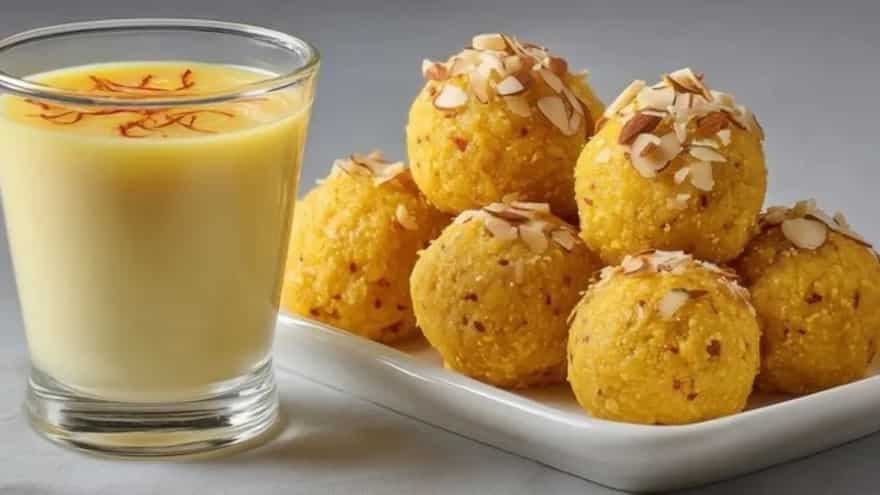
Staying hydrated is considered essential during Indira Ekadashi, especially since many devotees keep a full fast without grains. Water is, of course, the most important, but herbal teas and milk-based drinks are also taken through the day. Warm milk flavoured with saffron or cardamom provides comfort and nourishment. Buttermilk, seasoned with roasted cumin and rock salt, is light and aids digestion. Lemon water with honey is another refreshing choice that restores energy without disturbing the fast. Some also prefer herbal infusions of tulsi leaves or ginger, which are considered sattvic and purifying. These beverages not only quench thirst but also balance the body’s strength and energy, allowing the mind to remain focused on prayer and meditation. In this way, hydration is not seen merely as a physical need but as part of the discipline of the fast itself.




