


 Share
Share

Fasting in Indian culture is not just a ritual. It is also a way to give the body some rest, remove toxins, and build discipline. People across different states follow their own customs. Some avoid grains, while others leave out garlic, onion, or pulses. The rules may change, but one thing stays the same. You need enough nourishment to keep going through the day, especially if you are working or travelling.
Most common fasting meals are light and simple, like sabudana khichdi or fruit chaat. But these may not always give enough protein. Without enough protein, the body can feel weak, tired, or hungry again within a short time. It becomes harder to focus or stay active. That is why it helps to include ingredients like dairy, nuts, seeds, and some vegetables that are rich in protein but still allowed on fasting days.
Here are five easy meal ideas that work for Indian fasts. These meals are light on the stomach but give enough fuel to stay active. They can be made at home without too many ingredients and are good for both taste and energy.
1. Rajgira Paneer Paratha
Rajgira or amaranth flour is allowed during most Indian fasts. It is high in protein and also contains calcium and iron. Instead of the usual potato stuffing, try making a paratha filled with soft paneer. Paneer is a great source of protein and keeps the stomach full for longer hours.
To make the dough, mix rajgira flour with a little boiled mashed arbi or sendha namak and knead it with warm water. For the filling, crumble fresh paneer, add chopped green chillies and coriander leaves. Roll the dough slowly and carefully, as rajgira has no gluten and can crack. Cook it on a tawa with ghee till both sides are golden. Serve it with plain curd or a mint chutney made without garlic.
This paratha can be eaten for breakfast or lunch. It is filling but still sattvik. If you are preparing it early in the morning, you can make the filling in advance to save time.
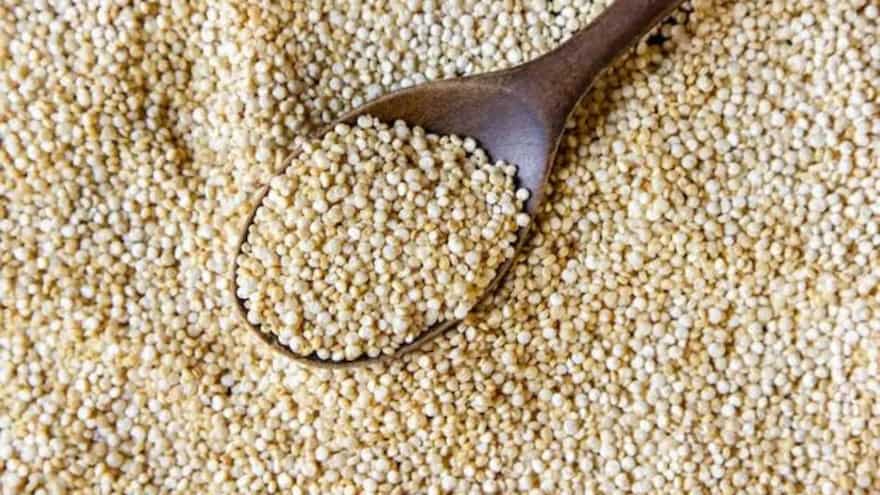
2. Samak Chawal Khichdi With Makhana And Peanuts
Samak chawal is often called barnyard millet in English. It is not a grain but a type of seed, which makes it suitable for fasting. It cooks quickly and is light on the stomach. To make it more nutritious, try adding roasted makhana and crushed peanuts.
Start by washing the samak and soaking it for 15 minutes. In a pan, heat some ghee and add cumin seeds. Once they crackle, add chopped ginger and green chilli. Add the samak, salt, and enough water. Let it cook like regular khichdi. In another small pan, dry roast the makhana and peanuts separately. Crush them lightly and mix them into the khichdi just before serving.
This dish gives you carbs, protein, and some good fats from the nuts and ghee. You can eat it as a full meal and still feel light. The makhana adds a nice crunch, while the peanuts give the dish a nutty depth.
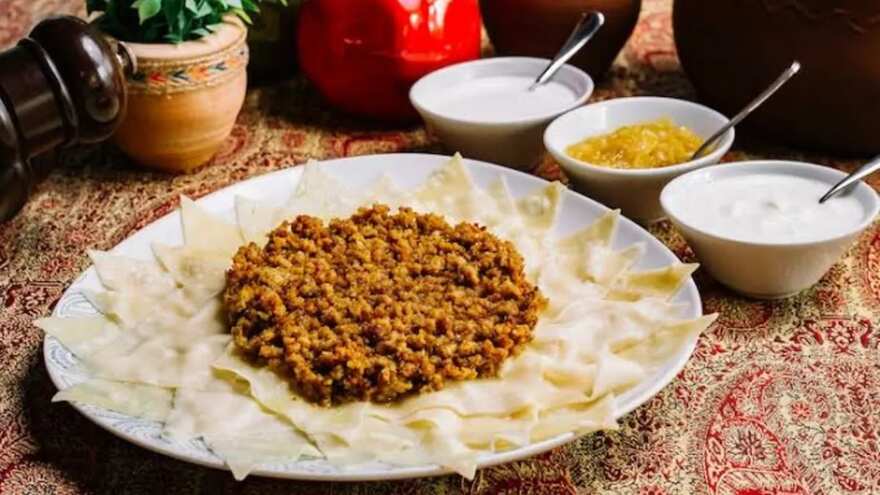
3. Sweet Potato And Peanut Tikki
Sweet potatoes are rich in fibre and vitamins. When mixed with peanuts, they also give a decent amount of protein. You can turn them into small tikkis and pan-fry them in ghee or peanut oil.
Boil the sweet potatoes and mash them while still warm. Add crushed roasted peanuts, sendha namak, and some green chilli if you want heat. Mix everything and shape into flat round tikkis. Cook them slowly on a tawa till both sides are crisp. You can serve these tikkis with plain curd or a chutney made from coriander and coconut.
These tikkis are good for evening snacks or even as part of a lunch. You can also carry them in a tiffin if you are travelling or working on a fasting day. They stay soft and don’t get soggy.
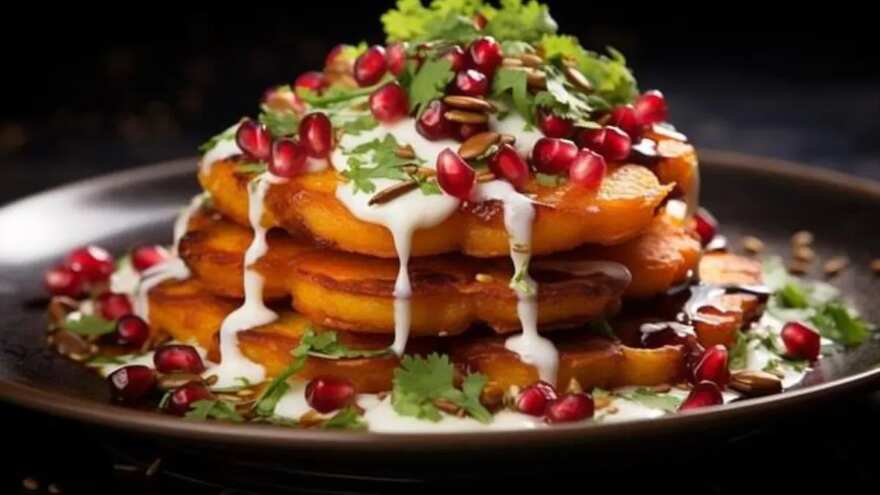
4. Lauki And Singhara Chilla
Singhara flour, made from water chestnuts, is allowed in most fasting diets. It is gluten-free and has a decent protein content. When mixed with grated lauki or bottle gourd, it turns into a soft batter that cooks easily like a pancake or chilla.
Peel and grate the lauki, then squeeze out the water gently. Add singhara flour, green chilli, fresh coriander, and a pinch of black pepper. Do not add too much water, as lauki has its own moisture. Mix everything into a smooth batter. Heat a pan with a little ghee and pour the batter like a dosa. Cook till both sides are done and slightly browned.
This chilla is very light but gives enough energy. You can serve it with curd or a dry chutney made with coconut and sesame. It works well as breakfast or a light dinner during fasts.
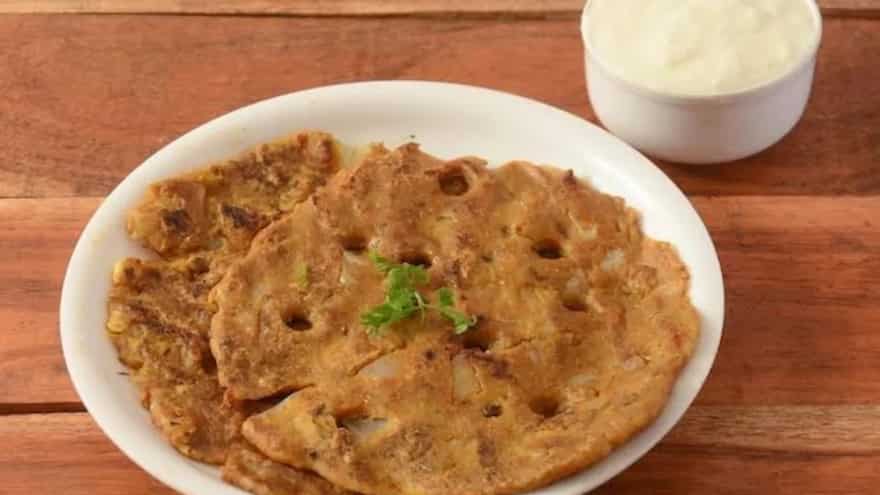
5. Sabudana Moongfali Thalipeeth
This is a slightly thicker flatbread made using soaked sabudana and ground peanuts. It is a good mix of starch and protein. Some people also add boiled potatoes, but you can leave them out if you prefer something lighter.
Soak sabudana overnight and drain well in the morning. Crush some roasted peanuts and mix them with the sabudana. Add sendha namak, green chilli, and a little chopped coriander. Shape the mixture into a ball and press it flat on a greased banana leaf or butter paper. Gently transfer it to a hot tawa. Cook it slowly on low heat using ghee till both sides become golden and crisp.
This thalipeeth tastes best when served hot with curd or cucumber raita. It keeps well if you need to pack it for later. You can also make mini versions if you want to serve it as part of a mixed fasting meal.
Fasting meals do not have to feel plain or weak. With the right combination of ingredients, you can still get enough protein and stay satisfied. These five recipes are easy to prepare and full of good nutrition. They respect fasting traditions but do not leave you feeling tired or hungry.




