


 Share
Share

Across India, the cooler months encourage the preparation of candied fruits, murabbas, and preserves that have been part of domestic routines for generations. These foods travelled across seasons, allowing families to retain the qualities of winter produce well past their short harvest period. The techniques evolved as practical solutions for storage, flavour, and accessibility, and they remain embedded in both home and community cooking traditions. The significance of winter candying lies not just in taste but in the continuity of practices that value seasonal fruits and treat them as ingredients worth preserving through time-honoured methods.
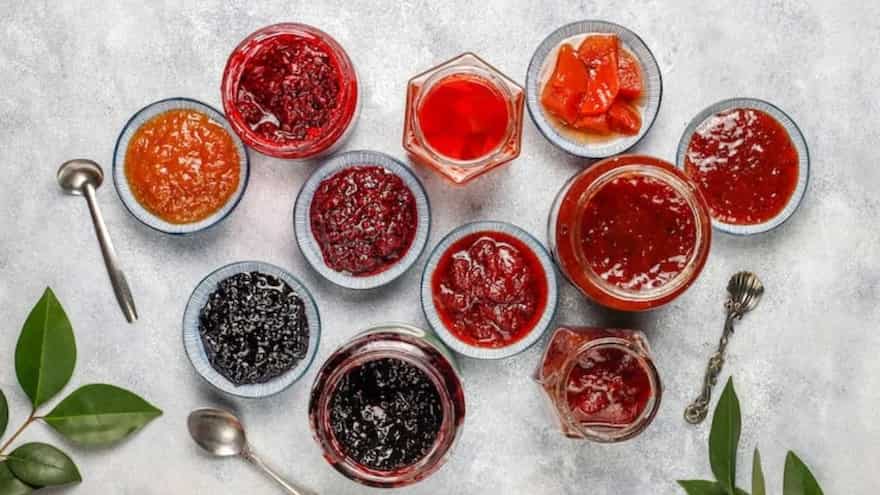
Image credit: Adobe Stock
1. Classic Agra-Style Petha
Petha is prepared from ash gourd, a vegetable known for its high water content and naturally cooling properties. Ash gourd also offers small amounts of fibre and micronutrients, which remain partially present even after candying. The fruit pieces are cut, soaked in lime water to maintain structure, and then cooked in sugar syrup until translucent. Many halwai kitchens finish it with a light floral essence, maintaining the regional character associated with Agra. The final result offers a clean sweetness while preserving the gentle hydration benefits ash gourd is historically valued for. Once dried, the texture becomes firm outside and soft within, reflecting the classic style that has defined this preparation for decades.
2. Amla Murabba And Candies For Immunity
Amla carries a well-documented concentration of vitamin C, antioxidants, and minerals that are recognised within Indian food traditions for supporting immunity through winter. When used for murabba, each fruit is pricked, blanched, and simmered in syrup until the sharpness mellows. The natural nutrients withstand the candying process to a degree, which is why amla murabba is still regarded as a morning tonic food in many households. After resting in the syrup, it develops a balanced sweetness that makes it suitable for consumption in small, purposeful quantities. Amla can also be soaked in syrup and sundried for a chewable candy version. Many households also prefer a savoury variant soaked in salt water and sprinkled with black pepper before letting it dry. This version is particularly known for its digestive benefits.
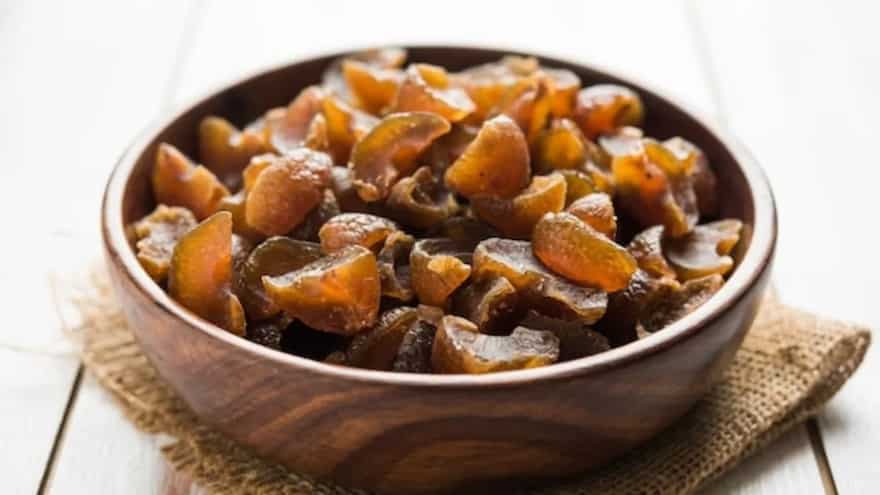
Image credit: Freepik
3. Karonda Candy With Natural Tartness
Karonda is naturally rich in iron and vitamin C, making it a valued winter berry in areas where it grows widely. During candying, its acidity softens as it cooks in syrup, creating a bright, tangy confection while still retaining part of its nutritional profile. The berry is halved, occasionally deseeded, and simmered until it absorbs colour and sweetness. Once cured, the candy remains slightly tart, which is characteristic of traditional preparations found in North and West India. For many families, this method also provides an efficient way to store a fruit that spoils quickly when fresh.
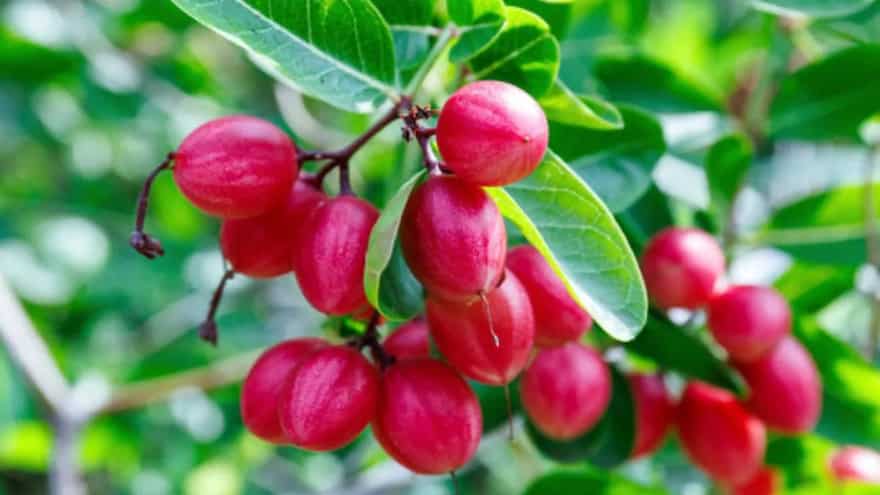
Image credit: Adobe Stock
4. Bel Murabba For Digestive Balance
Bel fruit is associated with digestive wellness in Indian households because of its natural pectin and fibre. When made into murabba, slices of bel are boiled until soft and then layered into syrup flavoured with cardamom or cloves. The pectin allows the fruit to hold shape while absorbing sweetness, and the finished murabba is taken in small servings as a supportive winter food. This preparation is especially common in regions where bel trees are abundant, and it remains a practical way to retain the digestive benefits of the fruit beyond its short availability.

Image credit: Freepik
5. Ginger Candy For Seasonal Wellness
Ginger has long been a winter essential for its anti-inflammatory properties and its reputation for aiding digestion and soothing the throat. When candied, thin slices are boiled to temper heat and then cooked in syrup until they become chewy and aromatic. Even after sugar curing, the ginger retains part of the compounds that contribute to its warming effects, which is why many households keep a jar accessible through the season. Dusting the preserved slices with sugar is a familiar technique in several regional kitchens, creating a winter-friendly sweet with both culinary and functional relevance.
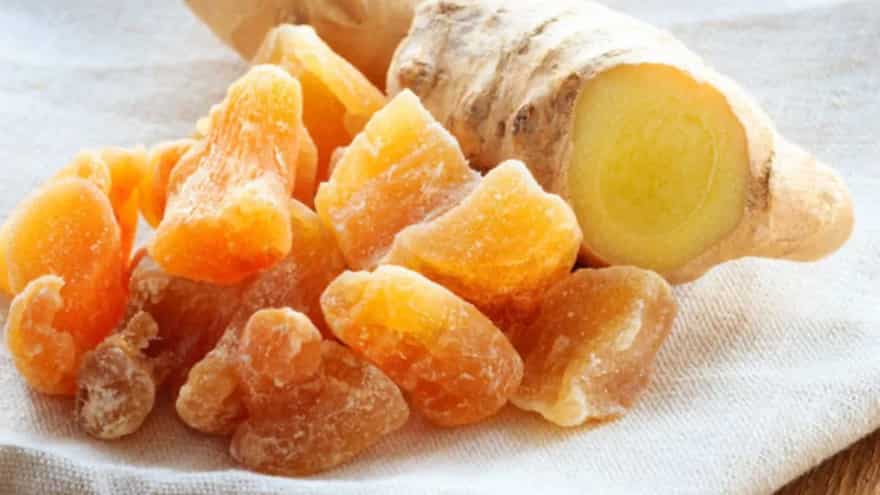
Image credit: Adobe Stock
6. Candied Orange Peel
Candied orange peel has long been produced in Indian homes during citrus season, especially in urban and semi-urban households where winter oranges arrive in generous quantities. Orange peel contains natural oils, fibre, and small amounts of vitamin C in its zest layer. When candied, these components contribute to its characteristic aroma and mild digestive benefits. The peel is sliced, boiled to remove bitterness, and then simmered in sugar syrup until it becomes bright and supple. Once dried, it is stored as a confection that adds citrus depth to winter desserts, bakery preparations, and festive snack trays. This method ensures that the peel, a part often discarded, finds a purposeful place in seasonal cooking.

Image credit: Adobe Stock




