


 Share
Share

Everyone knows that India, as a country, is not only diverse in one particular aspect but also in the food the people eat. India’s food map has an assortment of dishes that come from major food hubs or lesser-known parts of the country, which more or less made India a top contender when it comes to diversity in food palates. While India has its popular dishes like vada pav, kathi roll, chole bhature, fish-fry, phucka, thekua, litti chokha, panta bhaat, and so on, there are certain local delicacies which many are unaware of or do not want to venture into due to the unconventional ingredients used.
In India, the shortage of food is still a significant problem, with many people finding it difficult to consume enough. Communities in a number of regions rely on sustainable and readily available food sources. This is where snails, a rich source of protein that is frequently collected from the wild and is still used in regional culinary customs, come into play. In addition to eating meat regularly, snail meat is one of the unusual sources of animal protein in India. Snails have a firm texture, are slightly chewy, and have a neutral flavour.
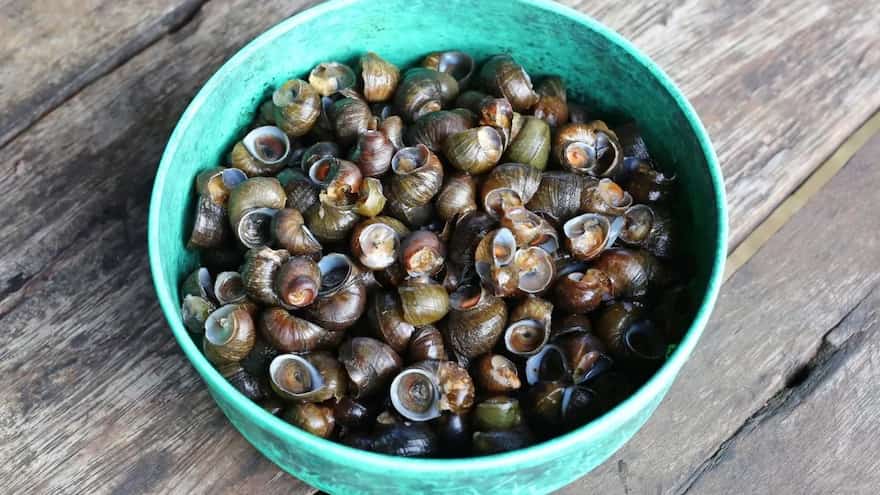
Image Credit: Adobe Stock (For Representational Purposes Only)
The research article 'Indigenous Technical Knowledge on Ethnic Dishes of Snail in Gopalpara District of India' published by SAS Publishers mentions that snails possess anti-inflammatory, antimicrobial, anti-osteoporotic, anticancer, antihypertensive, antidiabetic, and antioxidant properties that may be utilised to treat a wide range of human illnesses. One such type of delicacy that a few states in India take pride in is consuming snails. Yes, Indians also relish this dish just as much as the French and their escargots. They are regarded as a local dish in the Northeast, West Bengal, Goa, and Tamil Nadu. Snails have high levels of protein, minerals, and Omega-3 fatty acids. You can say that it comes under the ‘boutique cuisine’ category. If you’ve been a fan of dishes that are extremely queer in their making, try the following snail delicacies from these states:
Pani Hamuk, Assam
Water snails are boiled with pumpkin to make pani hamuk. Taste this Assamese delicacy when you visit Mising Kitchen. Snails are consumed by Assamese and other Northeastern people. These snails are unique to this area and are harvested from rice fields. The snail must be sucked out of its shell. Sucking out the meat from the shells and cooking it with potatoes and pumpkins is both entertaining and challenging. Such a très escargot moment, is it not?
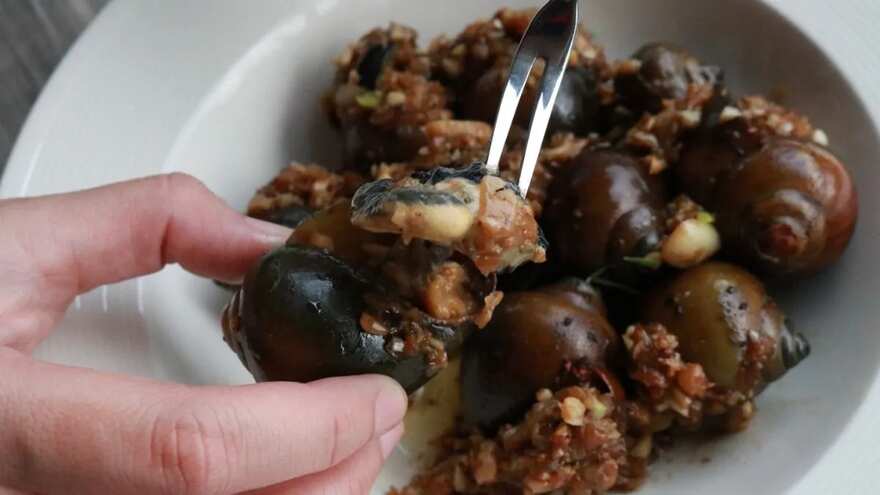
Image Credit: Adobe Stock (For Representational Purposes Only)
Geri Gugli, West Bengal
In Bengali cuisine, fish, prawns, and crabs frequently take centre stage, but geri gugli flourishes in rural Bengal's wetlands and ponds. Locals hunt for these tiny snails in murky shallows. They are repeatedly cleaned and rinsed to get rid of grit and the distinct briny smell before they are added to the cooking pot. Its low economic value and the shell's ominous appearance and strong scent deter less daring eaters, which contributes to its rarity in the market. However, it is a dependable and reasonably priced source of nutrition for rural communities because it is a high-protein substitute for chicken or mutton.
Nathai Pirattal, Tamil Nadu
A unique Tamil dish called nathai pirattal honours freshwater snails, or nathai, in a flavourful sauce enriched with coconut, ginger, tamarind, and strong spices. Originally a simple country meal, it has gained popularity in premium dining establishments, demonstrating how Tamil Nadu's ‘poor-man's food’ has improved in both flavour and cultural pride. After lightly browning the coconut flakes, the spices are crushed into a paste. Onions are caramelised, tomatoes and spices are added, tamarind is simmered, and then coconut milk and cilantro are added to enhance the sauce. Nathai pirattal is a statement of Tamil rural heritage and culinary dignity, not just a meal.
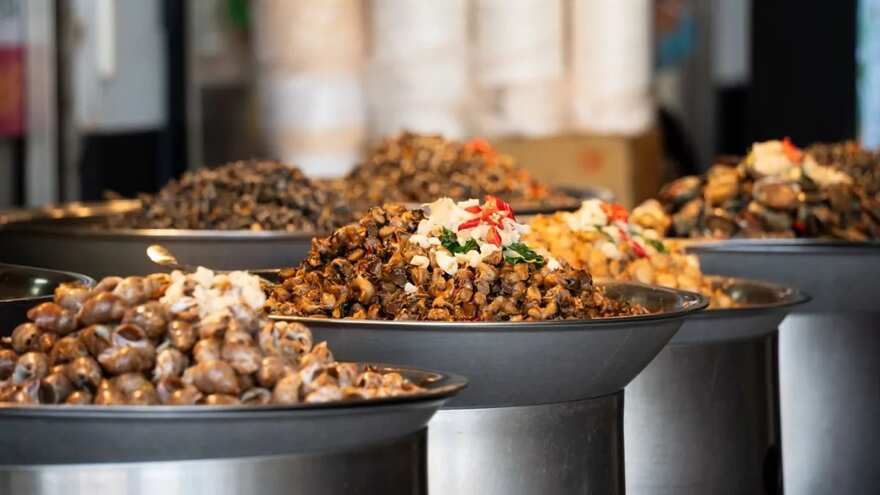
Image Credit: Adobe Stock (For Representational Purposes Only)
Tharoi Thongba, Manipur
The origins of tharoi thongba can be traced back to the Meitei people of Manipur, who have traditionally included snails in their cuisine. Due to the abundance of freshwater snails in the area, the dish is a popular treat and a traditional part of the Meitei non-vegetarian menu. It is made for convenience and sustainability. Freshwater snails have been a practical and sustainable food source for the local population since they are easily accessible, especially in rural locations. The dish is more than just a meal because of its meticulous preparation, which demonstrates how much it is cherished.
Conge, Goa
Conge are freshwater snails that were previously common in Goa's rice fields but are now uncommon due to mechanised farming and chemicals. It is sold by vendors along the highway to Panjim or Margao during the monsoon. Locals remember a ritual that is currently disappearing - exchanging bags of snails with neighbours. Only a few eateries continue to provide Snail Xacuti upon request before the rains stop, while conge is a short-season delicacy sold along the Verna highway for roughly ₹500 each bag.
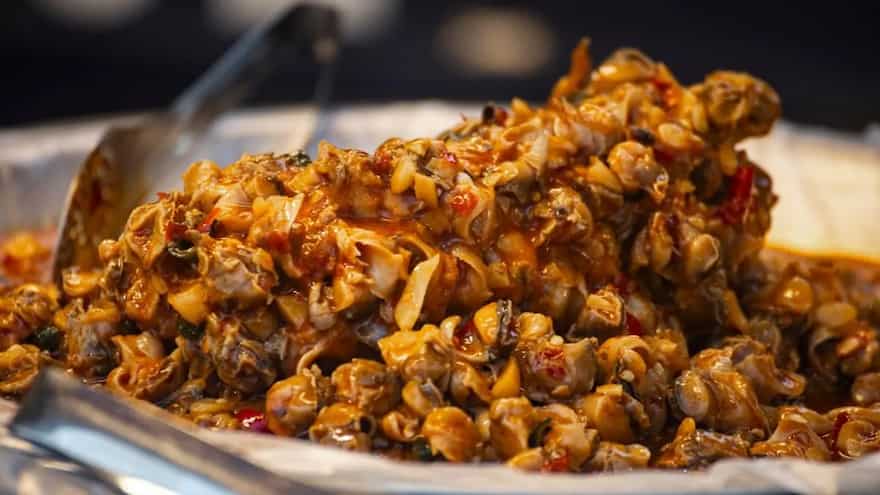
Image Credit: Adobe Stock (For Representational Purposes Only)




