


 Share
Share

Coca-Cola had arrived in India in 1956 with the joyful promise to "Refresh Yourself." The sugar wars reappeared with the rise of "diet" and "zero" variations. Soft drinks, once associated with indulgence and excess, had entered an era of guilt-free enjoyment, and no one has ridden this trend more expertly than Coca-Cola. When Diet Coke debuted in India, the red label promised something almost too good to be true: the same traditional taste, but without the sugar. It wasn't simply another product launch; it was a cultural shift, because sugar had served as Coca-Cola's backbone.
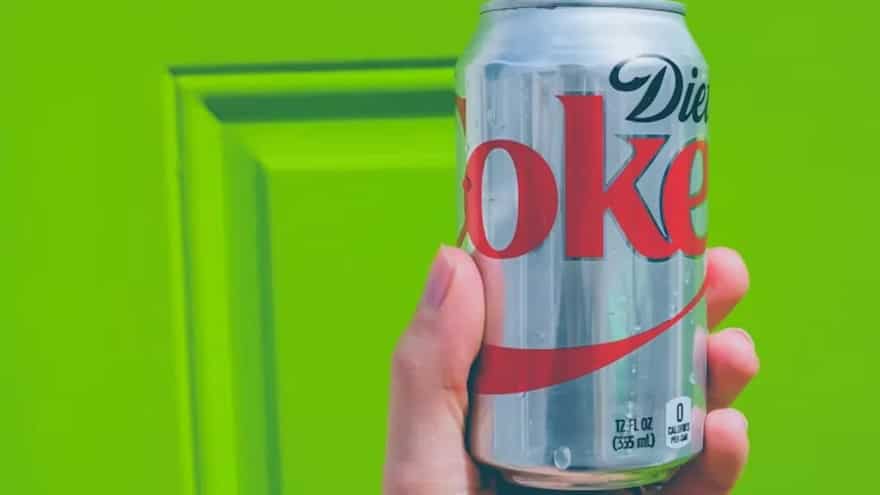
Image Credit: Unsplash
This is also where the concept of artificial sweeteners became most prominent. If you read the ingredients on the official Coca-Cola website, it clearly mentions that Diet Coke has aspartame, an alternative to sugar. This does not mean Diet Coke does not have sugar, it just means you can choose this artificially sweetened soda if you are looking for low-sugar options.
According to the World Health Organisation (WHO), the artificial sweetener aspartame has a possible cancer risk and cited from the study by IARC, “IARC classified aspartame as possibly carcinogenic to humans (IARC Group 2B) and JECFA reaffirmed the acceptable daily intake of 40 mg/kg body weight.” The report also states, “Aspartame is an artificial (chemical) sweetener widely used in various food and beverage products since the 1980s, including diet drinks, chewing gum, gelatin, ice cream, dairy products such as yoghurt, breakfast cereal, toothpaste and medications such as cough drops and chewable vitamins.”
Initially launched in metros such as Delhi, Mumbai, and Bengaluru, with beautiful ad campaigns and aspirational images, the message was you can have your cola and drink it too, without the calories or the guilt. The taste of Diet Coke is unique in the sense that it does not taste like your regular soda, and that makes it different and cool. Diet Coke is also seen as a caffeine source drink that gives a temporary energy boost, reducing the usual intake of caffeine when drinking coffee by a few notches.
However, India's Gen Z consumers are evolving rapidly, monitoring calories, reading labels, and demanding accountability. Coca-Cola's introduction of zero-sugar and sugar-free versions reflects a broader awakening, characterised by rising health awareness, government sugar-reduction policies, and a shift toward balance over excess. But, currently, this summer, India is experiencing an unexpected consumer crisis—a Diet Coke shortage, which has left fans in key cities scurrying for the familiar silver cans.
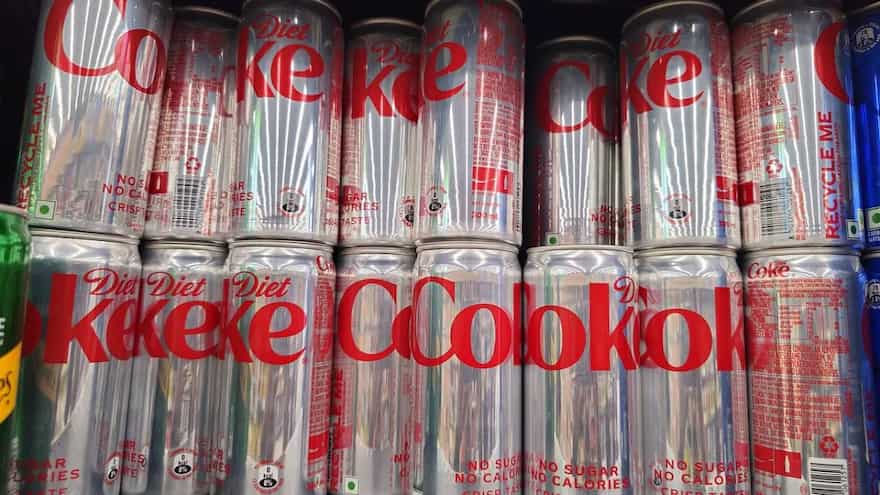
Image Credit: Flickr
India’s Diet Coke Obsession Comes To A Sudden Halt
Since mid-April, availability concerns have been noted in Mumbai, Bengaluru, Ahmedabad, and Gurugram, with the zero-sugar beverage being unavailable on rapid commerce platforms, retail outlets, and in select restaurants. Apps including Blinkit, Zepto and Swiggy Instamart have shown the drink as unavailable in multiple neighbourhoods, frustrating loyal buyers who rely on instant delivery for their caffeine fix.
The shortfall stems from a combination of global and local disruptions, which include increased aluminium supply pressures, shipping and logistics delays, and packaging-related changes required by Indian compliance standards. With summer demand increasing, even short-term supply outages can swiftly deplete shelves in major cities.
The shortage has sparked a full-fledged online craze, particularly among Gen Z users, who are uploading memes, jokes, and emotional reactions to life without Diet Coke. Many office workers joked that productivity had plummeted without a chilled can nearby. Others dubbed the drink "emotional support in a can," making it a symbol of workplace culture survival. A major cause for this is regulatory tightening under the Bureau of Indian Standards (BIS), which has implemented higher quality control criteria for aluminium cans and related products. Aluminium cans were subjected to mandatory BIS certification in April 2025 under a Quality Control Order (QCO), as part of India's larger effort to ensure product standards and minimise substandard imports.
However, the deployment has hindered approvals for both domestic and international sourcing, and manufacturers have experienced difficulties in increasing output. Imports have also been delayed due to regulatory regulations, resulting in a mismatch between supply and demand. At the same time, global factors have added to the complexity.
Conflicts In West Asia Leave India Facing A Diet Coke Crunch
Ongoing geopolitical tensions in West Asia have interrupted shipping routes and raised freight costs, delaying imports of aluminium cans and raw materials. The aluminium supply chain has been under pressure worldwide, with changes in metal availability and cost influencing how quickly cans can be made and distributed.
Image Credit: Wikimedia Commons
Currency volatility has exacerbated the financial burden, and broader supply chain disruptions have made it harder for businesses to maintain consistent inventory levels. These factors have exacerbated the scarcity and continue to limit how quickly supply can settle. Furthermore, the timing of the scarcity has made its impact more obvious. Summer is the peak season for cold drinks, and demand often spikes in urban markets. While Diet Coke has become the face of the shortfall, the problem is considerably more widespread and represents a larger strain on the beverage sector. The aluminium can crunch is harming the entire ecosystem, and both soft drink and alcohol firms are feeling the strain as packaging supplies tighten.
According to the Brewers Association of India (BAI), beer companies faced a shortfall of 120–130 million units of 500 ml cans in 2025, which highlights how severe the packaging crunch has already become. There are early signs of improvement, with supplies slowly increasing in some areas. However, the basic concerns driving the scarcity have yet to be fully addressed. For the time being, the can crunch serves as a reminder that even ordinary products rely on complicated systems, and when one link fails, the consequences can be felt across shelves, industries, and consumer habits.




