


 Share
Share

There is something very comforting about a plate of hot, warm idlis steaming on a breakfast table. In many Indian households, this simple dish has always been an unsaid sign of a healthy morning breakfast, which is soft, light on the stomach, and yet filling. But the year 2025 has changed idlis into more than just a traditional dish. As per the recent Google Year In Search 2025, “idli” has emerged as one of the top searched breakfast recipes on the internet, establishing that people are looking for everyday, nutritious meals they can rely on every day without involving complicated cooking.
With many people who are working from home, going to the office and with an increase in busy market days, people are looking for clean eating ideas, and desiring known flavours, idlis are becoming everyone’s go-to morning breakfast dish. Idlis also demand very little, just a basic batter, a steamer and a good chutney as a side. Not only this, every region in India has its own unique take, flavour and history to it. This is why trying various traditional versions feels like rediscovering breakfast all over again.
Kanchipuram Idli
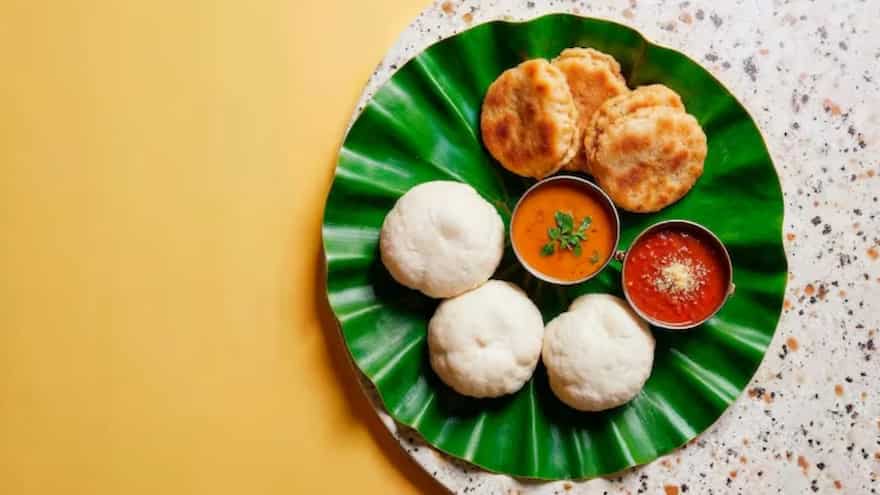
This temple-style idli is not the usual soft-white cushion ones. Kanchipuram idlis are a bit spiced up, prepared by steaming in banana leaves, and carry an aroma of cumin, pepper and some ginger. This is like a traditional prasad recipe and feels like a savoury cake that has a delicate, aromatic aroma. They are more filling and warming than the regular idlis, which makes them ideal for morning breakfast or for weekend brunches. Serve them with a tangy chutney or steaming hot sambar, and you will experience a beautiful harmony of spice as well as comfort in every bite.
(Image credit: Freepik)
Rava (Sooji) Idli
Originally inspired by Bengaluru kitchens, rava idlis are one of the easiest versions to make on busy weekdays as they require no fermentation. The texture is a little grainy and is a bit crumbly compared to regular rice idlis, but it is incredibly light and gentle on the stomach. Adding some tempering of mustard seeds, curry leaves, green chillies and cashews will give a unique crunch and personality to this. It is a good breakfast option for children because it will remain soft even after cooling. Pair it with coconut chutney or vegetable sambar for a wholesome South Indian meal without requiring a long prep time.
Poha Idli
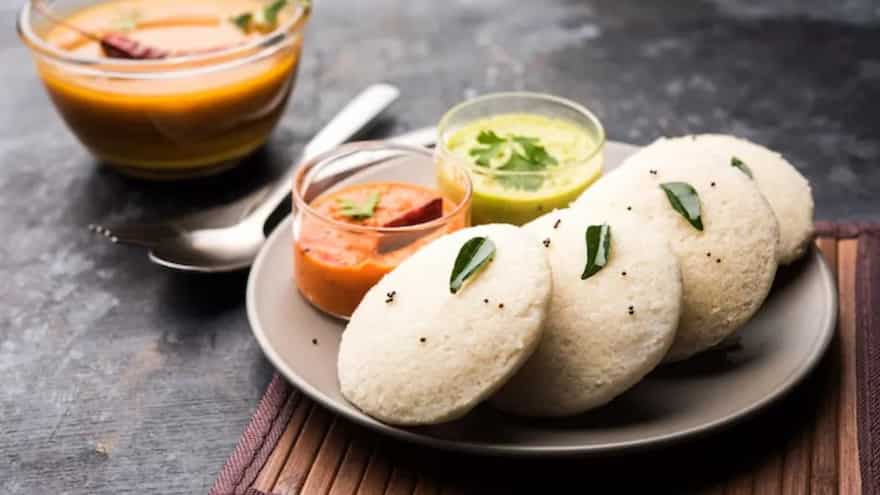
Poha or flattened rice will soften the batter beautifully, giving the idlis a soft texture that will feel almost melt-in-the-mouth consistency. This variety is very popular in Maharashtra, and is also a great idea for those who love fluffy idlis without being too sour. Poha will also make the batter ferment quickly, which is helpful during the winter season. The texture is soft, perfect for kids and ends up a very comforting dish, especially when enjoyed with a drizzle of ghee and homemade podi. If you want an idli that doesn’t taste too sour but still feels traditional, this variety is like a warm hug for slow and lazy breakfasts.
(Image credit: Freepik)
Kotte Kadubu (Jackfruit Leaf Idli)
It is a beautiful traditional recipe hailing from Karnataka. These idlis are steamed inside the folded jackfruit leaves, so every idli soaks up natural herbal fragrance while you cook it. The shape is conical, and the flavour has a slight fragrant undertone that will make it unique without overpowering the taste. Because it is prepared by using urad dal and rice just like traditional idlis, the taste will remain familiar but will somehow feel more earthy and soulful. These idlis also feel celebratory, a good option for serving guests, and can be best enjoyed hot with udupi-style sambhar or coconut chutney.
Mallige Idli (Mysore Style)
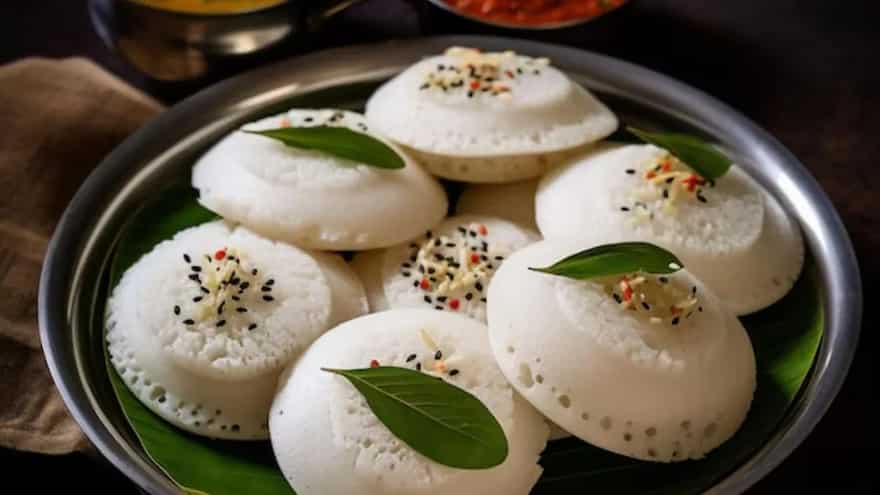
If you have ever wondered why Mysore idlis feel a little extra soft, it is because this recipe combines cooked rice or avalakki with the batter, which gives a cloud-like softness. Mallige means “jasmine,” and that is how the texture feels: soft, delicate, and a bit fragrant. Mallige idlis do not feel heavy even if you eat more than usual. It is a great breakfast option for humid or hot days because it will remain moist without turning moist and sticky. Serve with some red chutney or even simple dal, and it changes into a filling and refreshing meal.
(Image credit: Freepik)




