


 Share
Share

Many people often dream of growing their own herbs, chillies or tomatoes at the convenience of their home. It feels convenient to place a few pots in the sunlight, add seeds to them, water them every day, and wait for a thriving little garden. Then the reality hits. Seeds do not just sprout, leaves turn yellow, plants dry out when you cannot pay attention to them during a busy week, or one overenthusiastic watering session can drown everything else. After that, many beginners begin to think gardening is “not for them.”
Usually, the problem is not a lack of skill, but it starts with the wrong anticipations. A kitchen garden is less about perfection and more about rhythm. Plants need the right container, sufficient light, regular watering and a little patience. They also need beginners to start small instead of trying to raise ten vegetables at once.
Apparently, you do not need a farmhouse, any fancy tools or expert knowledge to start the kitchen garden. A balcony, sunny window, terrace corner or even a few railing planters are sufficient enough to start with. The smartest kitchen gardens are useful: herbs that you can actually use, greens that can be regrown quickly, and vegetables that fit your space. Once one pot thrives, confidence comes naturally with it. If you want to begin without wasting money or motivation, these beginner-friendly steps will be helpful.
Start Smaller Than You Think
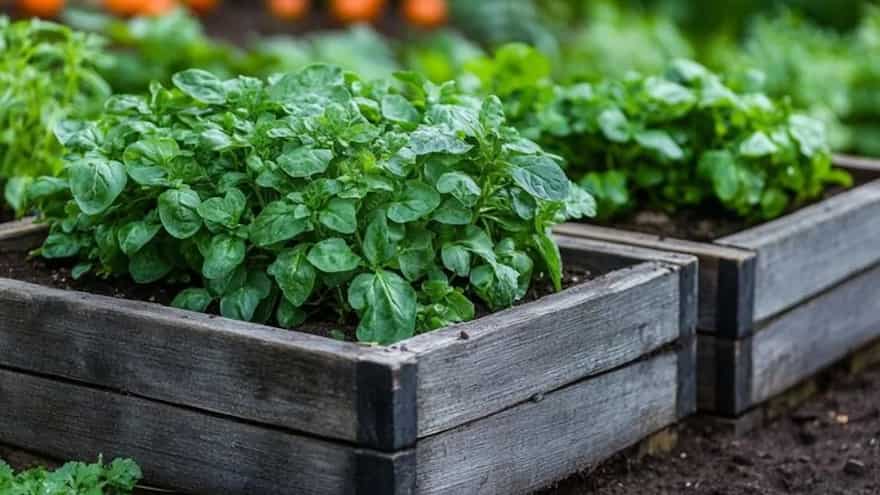
Most first-time gardeners fail because they start too big. Ten pots may sound exciting, but three healthy pots teach more than ten struggling ones can. Start with two herbs, one leafy green and one easy vegetable. This keeps the watering, pest checks and observation easy to manage. You will know how your space behaves like that, how much sun it gets, how fast the soil gets dried out and what plants respond well there. Success in a small setup creates consistency, which matters more than scale in the beginning.
Study Sunlight Before Buying Anything
Plants follow sunlight more than enthusiasm. Spend two or three days noticing where sunlight falls maximally in your balcony, terrace or the window pane. Is it strong morning light, harsh afternoon sun or the bright indirect sunrays? Leafy greens and herbs often work with medium light, whereas tomatoes, chillies and brinjal need more powerful sun. Buying plants first and then looking for the light later leads to disappointment. Choose crops depending on your actual space, not on what looks good online.
Use Good Soil, Not Random Dirt
One of the common mistakes is serving pots with heavy garden soil that packs quickly. Plants need a loose, airy growing medium so that roots can breathe and water can drain. Use a mix of potting soil, compost and cocopeat or similar light material. Good soil saves beginners from many future issues—little growth, root rot and patchy watering. Think of soil as the base of the garden. Better soil usually means fewer headaches later.
Grow Easy, Useful Plants First
Choose crops that you can cook with often, and that forgive the beginner's mistakes. Good starter options include coriander, mint, curry leaves, green chillies, spinach, methi, spring onion, lettuce and cherry tomatoes. Herbs give rapid rewards because you can cut leaves early. Leafy greens tend to regrow fast. Chillies and tomatoes feel compelling because you see the actual produce. When plants become part of your everyday cooking, you stay curious long enough to improve.
Water Smartly, Not Emotionally
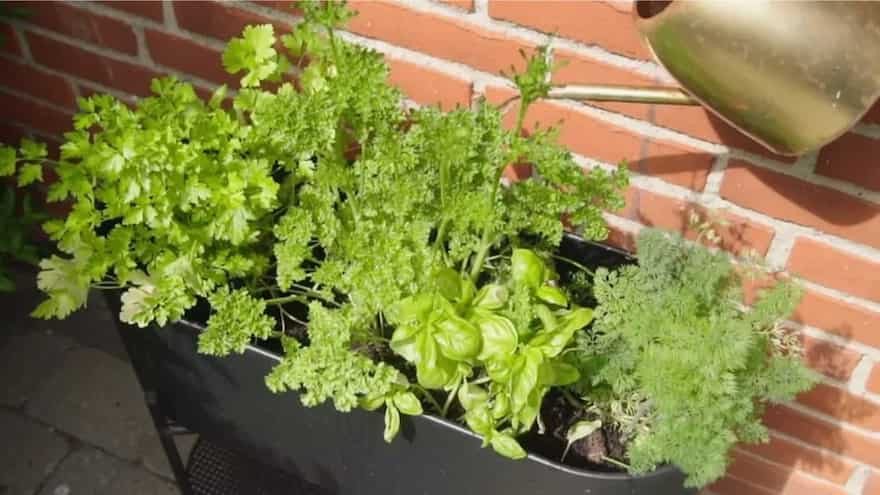
Many beginners either fail to water or overdo it out of guilt. Instead of the same fixed schedules, check the soil with your finger. If the top inch feels dehydrated, water it deeply until the excess drains out. If it's still moist, wait. Morning watering usually works the best. Tiny little splashes often make shallow roots, while soaking pots invite fungus. Plants require consistency more than just sympathy. Learn the soil, and watering becomes much easier.
Expect Problems And Keep Going
Leaves will yellow. One plant may fail. Insects will appear. A tomato may grow beautifully and then sulk for no evident reason. This is normal gardening, not individual failure. Remove the damaged leaves, improve the airflow, adjust the watering and then try again. Every pot teaches something different. The goal of a beginner kitchen garden is not perfect produce, but it is knowing how life grows under your care. Once that connects, the garden usually follows.




