


 Share
Share

Festive meals often call for variety, colour, and some extra thought. A mezze platter provides a way to serve several dishes together without needing an elaborate menu. This format is popular across Middle Eastern and Mediterranean regions. It works well for Indian homes too, especially during celebrations or gatherings where food is shared in groups. A mezze platter includes dips, vegetables, breads, and protein-based items arranged neatly on a single board or tray. Each element is prepared separately but served at the same time. The aim is to create a mix that feels light, balanced, and suitable for both casual and formal occasions. It helps to understand the basic structure of a mezze spread and how to adapt it for Indian kitchens. With a mix of warm and cold dishes, and a balance of soft, crisp, and creamy textures, the platter can serve as a complete meal or a festive starter.
1. Selecting The Right Mix Of Dips
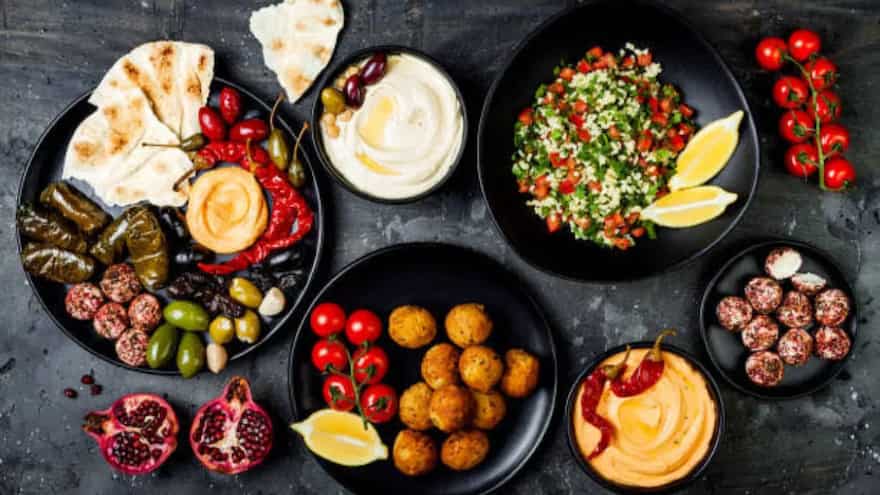
Dips form the foundation of any mezze platter. They offer flavour and texture and bring the other elements together. Hummus is the most well-known choice. It is made with boiled chickpeas, garlic, lemon juice, salt, and tahini. Tahini can be prepared at home by blending toasted sesame seeds with oil. Baba ganoush is another option made using roasted aubergine mashed with garlic, lemon, and a little olive oil. Labneh is a thick curd dip prepared by straining fresh curd in a cloth until it becomes creamy. Tzatziki is made by mixing grated cucumber, garlic, salt, and herbs into thick curd. These dips are simple to prepare and keep well in the fridge. You can also experiment with beetroot hummus or a curd dip with chopped mint and coriander. Each dip should taste different so that there is contrast when served together. Use small bowls to separate the dips and space them out evenly on the tray. This allows guests to taste and choose according to their preference.
2. Preparing Vegetables For Crunch And Colour
Vegetables help add freshness and balance to a mezze platter. Use both raw and grilled vegetables for variety. Raw options include cucumber sticks, carrot batons, cherry tomatoes, and sliced capsicum. These should be washed, peeled, and cut in advance. Keep them covered in the fridge until serving. For grilled vegetables, you can use aubergine, zucchini, onions, and bell peppers. These can be cooked with a little oil and salt in a pan or oven. Grilled vegetables should be served warm or at room temperature. You can also include a quick salad made with chopped cucumber, tomatoes, onions, and parsley dressed with lemon juice and salt. Pickled items such as onions or carrots add tanginess. These can be soaked in vinegar with a little salt and sugar for a few hours before serving. Use clean bowls or sections of the tray to arrange vegetables clearly. Do not overcrowd any section. Each item should be easy to pick and eat without too much effort.
3. Bread Options That Are Easy To Prepare
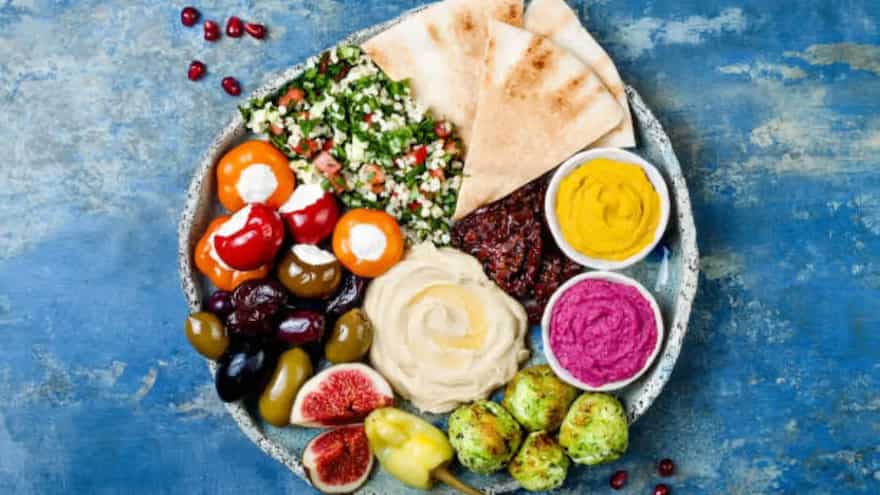
Bread is essential in a mezze platter as it is used to scoop up dips and carry the other items. Pita bread is the traditional choice. It is soft and round and can be warmed before serving. In case pita is not available, you can use homemade rotis or thin parathas. Make sure they are soft and not heavily spiced. Lavash is another bread that is thin and crisp. It can be baked at home using wheat flour, oil, salt, and water. Cut into triangles and baked until crisp, it works well as a base for dips. Serve the bread in a clean basket or plate. Keep a cloth over the bread to retain warmth and softness. If the meal is being served over time, keep extra bread ready in the kitchen to refill when needed. Bread should be cut into smaller pieces for easy handling. Offer at least two varieties of bread if possible. One soft and one crisp choice usually works well for most guests.
4. Including Protein For Substance And Balance
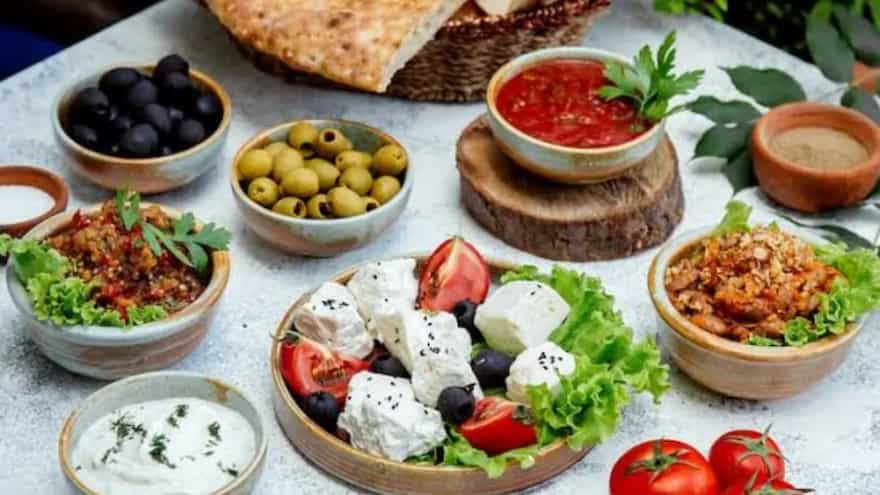
A well-rounded mezze platter often includes at least one protein-based dish. This helps make the meal more filling. Falafel is a good vegetarian option. It is made by grinding soaked chickpeas with herbs and spices, then shaping into balls and deep-frying. These can be made ahead and reheated before serving. Paneer cubes grilled with salt, lemon, and herbs can also be used. If you want to include eggs, cut boiled eggs into halves and sprinkle with salt and paprika. For those who eat meat, grilled chicken pieces with mild seasoning work well. These can be cooked just before serving and kept warm. Keep protein items separate so guests can choose based on their preference. Use small skewers or toothpicks if needed. These dishes should be easy to serve and should not require a separate plate or knife. Including a protein also makes the platter suitable as a full meal instead of just a starter.
5. Adding Fruits And Cheeses For Variety And Softness
Fruits and cheeses can offer natural sweetness, creaminess, and a change in taste that complements the rest of the platter. Choose fruits that hold their shape and do not release too much juice. Grapes, apple slices, pear wedges, pomegranate seeds, and figs work well. These can be arranged in small bunches or kept in a separate bowl. Make sure they are fresh and cut just before serving. For cheese, select one or two types that suit the overall balance of the platter. Soft cheeses like paneer, cream cheese, or goat cheese are easier to find and serve. You can also include small cubes of cheddar or a wedge of fresh mozzarella. Keep the cheese portions small and spaced out so they do not overwhelm the other items. If you are serving during hot weather, avoid strong cheeses and keep the fruit chilled until the last moment. These additions help round out the platter and offer something pleasant for guests who enjoy a lighter finish or prefer to avoid spiced dishes.

6. Final Layout And Serving Suggestions
The way a mezze platter is arranged can affect how it is received. Use a flat tray, board, or steel thali for serving. Place the dips in small bowls spaced across the tray. Arrange the vegetables and protein items between the dips. Keep the bread on a separate plate nearby. Each item should be clearly visible and easy to access. Avoid stacking or mixing items on top of each other. Use small serving spoons or tongs for items that are not finger-friendly. Keep napkins and side plates on the table. If the number of guests is high, prepare two or more smaller platters instead of one large one. This avoids crowding around the table. Serve cold items straight from the fridge. Warm up the bread and grilled items just before serving. Make sure everything is clean, fresh, and easy to pick up. During festivals, such a platter can sit on the table while guests eat slowly and talk. It works well for both lunch and dinner settings.




