


 Share
Share

Charcuterie boards have become popular at parties, weekend gatherings, and even family movie nights. Many people think of them as a luxury item, filled with gourmet cheese, cold cuts, olives, and fancy crackers. In India, these imported items can be costly, especially if you try to follow foreign-style recipes exactly. Still, the idea behind a charcuterie board is simple. It brings together a mix of textures and flavours on one plate, which can be shared and enjoyed slowly. The key is to balance textures, colours, and flavours. You do not need a wooden board or a marble slab. Any clean flat tray or plate can work. With the right arrangement and some thought about variety, your board can be both affordable and photo-friendly. This guide helps you build one from what you can find in local shops and your own kitchen.
Start With A Solid Base And A Colour Plan
Before you decide what to put on your board, think about what you will serve it on. You can use a clean wooden chopping board, a baking tray, a flat metal thali, or even a large glass plate. Line it with parchment paper if the surface is dark or uneven. This creates a neutral background that helps the food stand out.
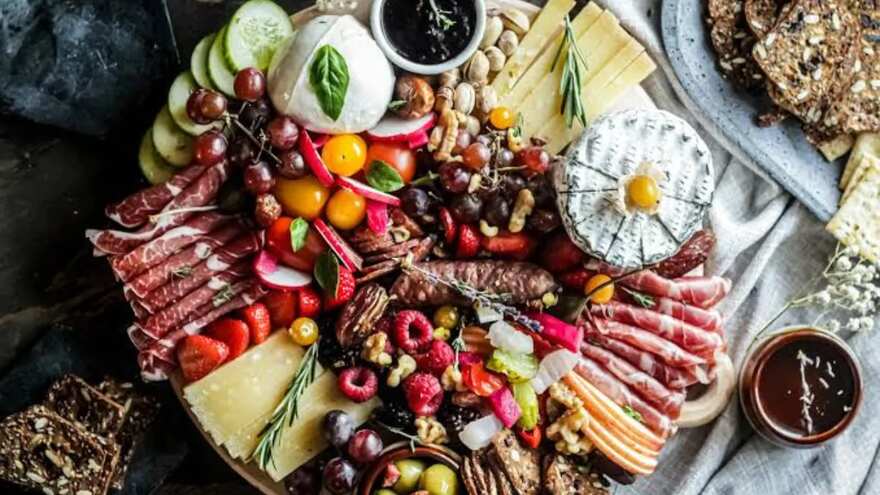
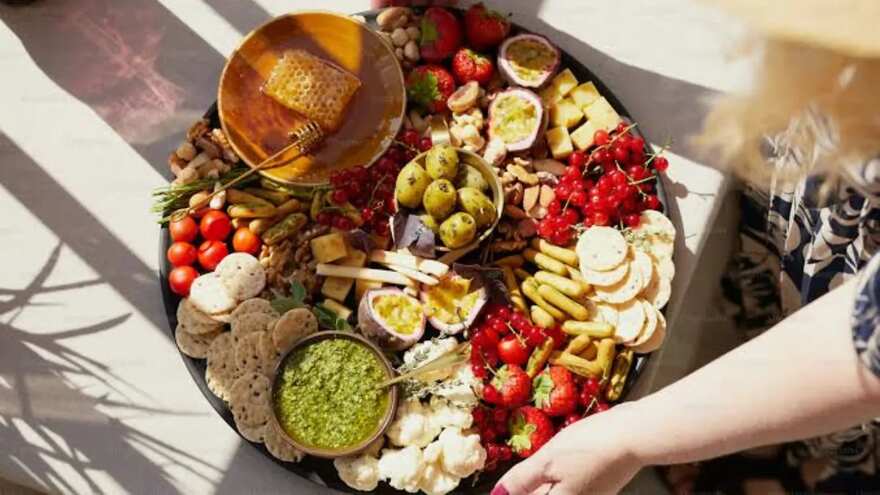
Once you pick your surface, choose two or three colours you want to repeat across the board. For example, you can use red, green, and white. You can include red grapes, green chutney, white cheese cubes, and red crackers or tomato slices. Having a loose colour plan helps the board look neat and well-balanced without being too exact. You do not need to follow it strictly, but it helps guide your choices.
Use One Cheese, But Choose It Well
Cheese is often the centre of most charcuterie boards. Imported cheeses like brie, gouda, or parmesan can be expensive and hard to store. Instead, you can use Indian cheese like processed slices, Amul cubes, or a block of cheddar. Cut them into different shapes so they do not all look the same. Use a mix of small cubes, strips, and triangles. This adds texture to the board, then sprinkle them with chilli flakes, chaat masala, or dried herbs.
Marinated paneer is another good choice. Cut paneer into cubes, coat it with a little olive oil, crushed garlic, and coriander, and keep it in the fridge for a few hours. The flavour improves over time and gives a soft, rich element to your board. If you want to try something creamy, you can make hung curd dip with salt, pepper, and crushed garlic. Place it in a small bowl at one side of the board. This gives the feel of a soft cheese without needing cream cheese or ricotta.
Add Protein With Budget Cuts And Local Items
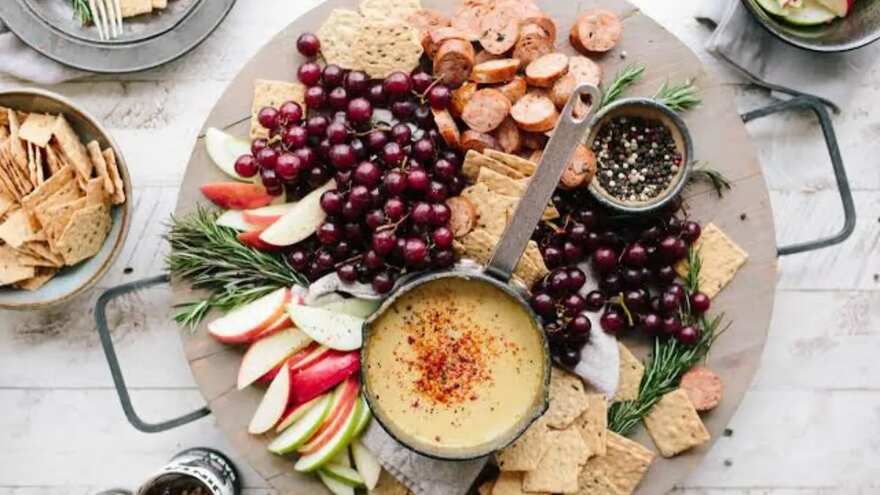
A charcuterie board usually includes meats, but in India, cured meats are often expensive and hard to find. Instead, you can add cooked chicken sausage, grilled salami, or even shredded tandoori chicken. For a vegetarian version, use boiled eggs, grilled soya chaap, or masala chana.
You can also add a small bowl of leftover chicken tikka or spiced kebabs cut into bite-sized pieces. If you prefer seafood, use small portions of masala prawns or even dry fish chips, depending on your region. The key is to keep the pieces small, flavourful, and ready to eat without needing extra sauce or cutlery. Protein adds richness and makes the board feel more filling, even if you only include one or two items.
Add One Or Two Affordable Crunchy Items
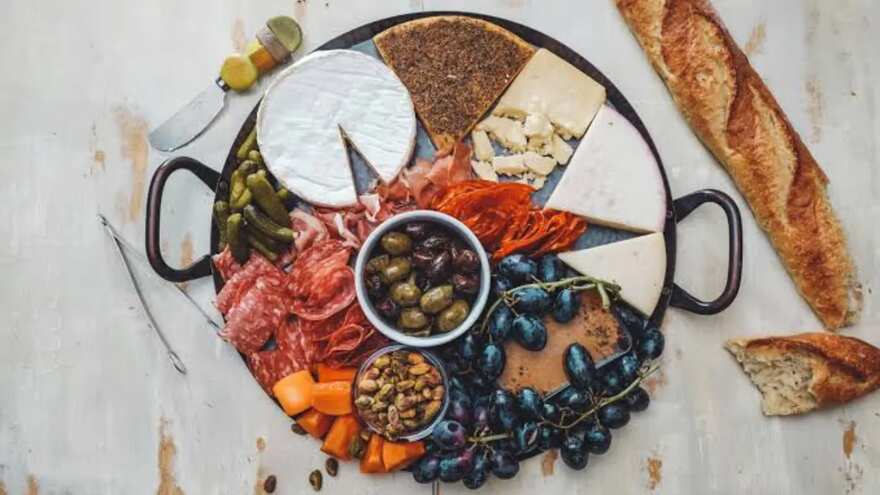
Crunch is an important part of any snack platter. You can use simple items like toast, khakra, mathri, or papdi. These are dry and crisp, and they hold their shape well. If you want something softer, you can include sliced pav, thin roti wedges, or even homemade garlic bread made with leftover buns. A mix of dry and soft items works better than having only one texture. You can toast some bread slices with oil and garlic to make them feel more special. If you want to add variety, cut roti or paratha into triangles, brush them with ghee, and lightly toast them on a pan until crisp. These local options are cheaper than store-bought crackers and can be made fresh without much effort.
You can also add roasted chana, masala makhana, or salted peanuts. Keep these in small piles or place them in small cups on the board. They are easy to refill if guests enjoy them. Try not to use too many dry or powdery snacks, as they can make the board messy. Choose crunchy items that hold their shape and do not crumble too easily.
Include Fresh Fruit And Pickled Items For Balance
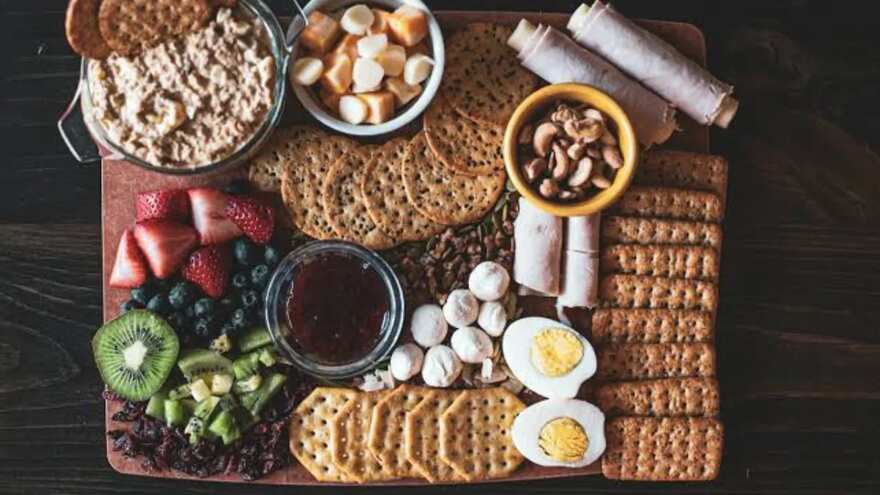
Fruits add colour, sweetness, and moisture to the board. They also help balance the salty flavours. Instead of imported berries, use seasonal local fruits. You can cut apples into slices and squeeze lemon on top to prevent browning. Use seedless grapes, pomegranate pearls, or peeled orange segments. For a different texture, try thin slices of guava or starfruit.
To balance out the rich parts of the board, add something fresh and something sharp. This can be as simple as sliced cucumber, cherry tomatoes, apple slices, or guava wedges. You can also use pickled vegetables like carrots and chillies, or quick homemade achar. One good idea is to make a basic onion salad with lemon juice and salt. You can also pickle thin carrot sticks in vinegar, sugar, and mustard seeds for one hour before serving.
You can add a few sweet elements to bring balance to the board. This helps cut through the salty or spicy flavours and gives the palate a break. Try including small pieces of jaggery, honey-drizzled toast, dark chocolate or a spoon of fruit jam in a small bowl. Keep the sweet items in separate corners so they don’t mix with the savoury ones. This helps the board feel complete and offers guests a range of tastes in one place.
Finish With Homemade Extras And Easy Garnishes
The final touch comes from small extras that show care and thought. These can be made in advance at home. You can roll small dates in desiccated coconut or stuff them with chopped nuts. You can roast papad and break it into triangles. You can also cut boiled potatoes into slices and sprinkle chaat masala on top.
Garnishes like fresh coriander, mint leaves, or edible flowers make the board look polished. Use lemon wedges, sliced radish, or small sprigs of curry leaves for decoration. Make sure there is enough variety on the board. Try to include one item from each of the following: soft, crunchy, salty, sweet, and sour. You can also keep a small bowl of toothpicks nearby, so people can pick what they want without using their hands.
The key is to use local ingredients, balance the flavours, and keep the portions small but thoughtful. Most of the items listed above are already found in Indian kitchens or can be made from leftover food. Once you understand how to mix soft, crunchy, salty, fresh, and sweet elements, you can build a new version of the board every time. With a little planning and a focus on variety, your board will feel complete and balanced. The colours, textures, and flavours can come together without needing to copy foreign versions. And if you arrange it well, your board will look good in photos too.




