


 Share
Share

There are several flavors, textures, and aromas that are unmistakable characteristics of certain foods: the rich mouthfeel of chocolate, the bold aroma of coffee, and the tangy sharpness of cheese, to name a few. There are several factors that contribute to the development of these sensory characteristics, but there is one key component that is unfamiliar to most in the production of these beloved foods: microorganisms.
Microbes, such as bacteria, yeast, and mold, play a crucial role in the production of many of the foods we know and love. Take chocolate, for example. The cocoa beans used to make chocolate go through a fermentation process before they are roasted. During this process, microorganisms such as bacteria and yeast break down the beans, releasing enzymes that help develop the complex flavors we associate with chocolate. The microbial community present during fermentation is a key factor in deciding the final flavor of the bar.
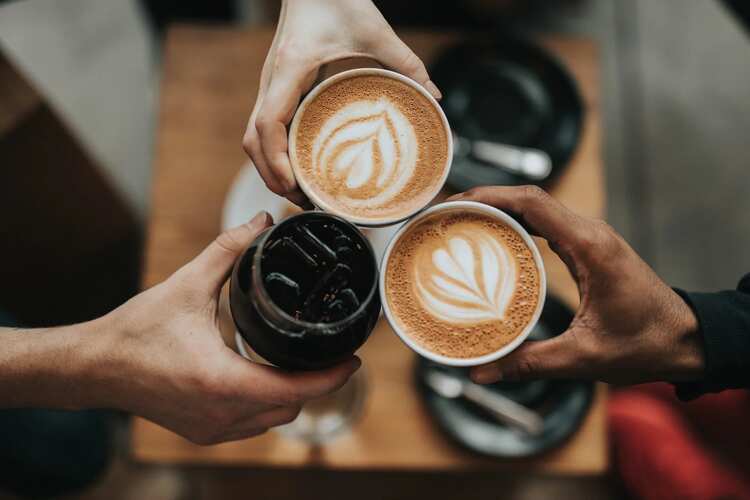
Coffee is another example of a food that is heavily influenced by microorganisms. Coffee beans are also fermented before they are roasted, and the specific microorganisms present during fermentation can greatly affect the final flavor of the coffee. For instance, a specific type of yeast called Saccharomyces cerevisiae has been found to produce fruity and floral flavors, while another type of yeast, Pichia kluyveri, is responsible for producing nutty and spicy notes. The exactness of the method used for processing the beans is considered pivotal to the presence of certain microbial strains, leaving the processor with a large number of controllable factors to manipulate the population of said microbes and enhance the flavor of the final cup.
Cheese is another food that relies heavily on microorganisms. The process of making cheese involves using various types of bacteria and mold to ferment milk, which helps create the diverse range of flavors and textures in cheese. For example, the mold Penicillium roqueforti is used in the production of blue cheese, while Lactococcus lactis is used in the production of cheddar.
But it's not just chocolate, coffee, and cheese. Microorganisms play a crucial role in the production of many other beloved foods as well. Sourdough bread, for example, relies on specific strains of wild yeast and bacteria for its characteristic tangy flavor. Similarly, yogurt is made by fermenting milk with specific strains of bacteria. Even fermented foods like sauerkraut, kimchi, and pickles rely on the action of microorganisms to create their unique flavors and textures.
Microbial strains are indispensable in the production of soy-based foods. From the savory depth of soy sauce to the rich and earthy flavor of tempeh, the tangy and umami-rich miso, and the pungent and creamy natto, these foods rely on microorganisms to bring out their unique and delicious flavors.
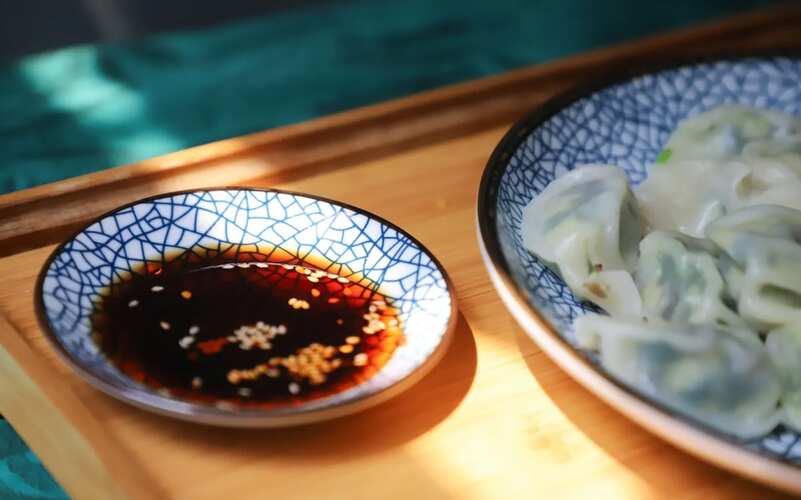
Soy sauce, for example, is produced through a fermentation process that involves the use of specific strains of bacteria and yeast. These microorganisms work together to break down the soybeans and wheat, resulting in the rich, savory liquid we know and love. In a similar vein, the process of making tempeh involves fermenting cooked soybeans with a mold called Rhizopus oligosporus. This mold helps to bind the beans together and gives the finished product a distinct flavor and texture.
Miso, a traditional Japanese seasoning, is also produced through fermentation. Soybeans are mixed with rice or barley and fermented with the fungus Aspergillus oryzae (koji), which helps to create the tangy, umami-rich flavor that miso is known for. Natto, a traditional Japanese food made from fermented soybeans, is also produced through fermentation, but with the use of Bacillus subtilis var. natto. This bacteria helps to create the pungent, creamy, and sticky texture that is characteristic of natto.
All of the ethanol in circulation is produced by the yeast fermentation of plant-based sugars. Different types of yeast can produce different flavors and aromas. For example, Saccharomyces cerevisiae is commonly used in the production of beer, while Saccharomyces bayanus is used in the production of wine.
In addition to yeast, bacteria also play a role in alcohol production, particularly in the case of sour beers and some wines, where bacteria such as Lactobacillus and Pediococcus are used to produce the desired acidity and flavor.
It's worth mentioning that some microorganisms can be harmful, so food manufacturers must take care to ensure that the microorganisms used in food production are safe and do not pose a risk to public health. Food manufacturers must therefore take into account the environmental factors that can influence the growth and activity of microorganisms in food production.
When it comes to the foods we love, microorganisms are often the unsung heroes. From the complex flavors of chocolate and coffee to the tangy taste of sourdough bread and the diverse range of flavors in cheese, these tiny creatures play an essential role in bringing these foods to our plates. Next time you eat your favorite food, take a moment to thank the unseen microbial players who worked behind the scenes to create that delicious flavor.




