Share
Share

Every few months, there’s a new food trend that breaks the internet. Be it the kunafa chocolate, the matcha breeze, the rise of ube, the protein boom, or the viral cookie tin recipe, the netizens are quick to hop on to what’s trending, order in, or try the recipe. However, some of the most consequential shifts across the globe are happening away from the spotlight. According to recent reports, 2026 has been defined by a handful of undercurrents.
Today's consumers are no longer satisfied with simple convenience or dietary claims; they demand products that deliver tangible wellness benefits without compromising on rich sensory experiences. And these aren’t just flashy trends that’ll fade away. While they might not trend on social media, these food trends are shaping what ends up on grocery shelves, which ingredients are in supply, and which marketing stories brands choose to tell. Here are some of the biggest trends that might have been under the radar.
Food As Mental Fuel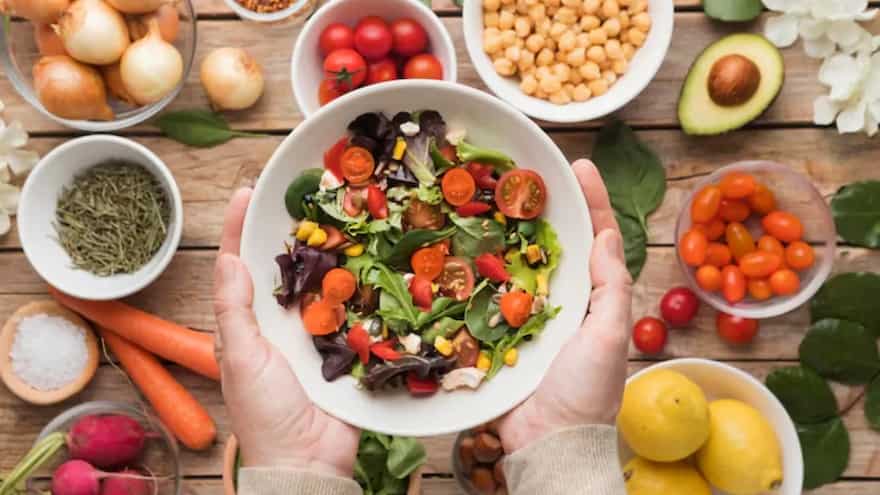 Image Credit: Magnific
Millennials and Gen Z are asking for food and drinks that do more than just provide nutrition. Stress and mental fatigue being some common concerns of the generation, studies have found that three-quarters of the consumers have turned to protein to boost their energy and mental sharpness. It is predicted that the brands will start marketing their products with a ‘mental clarity’ angle, and it will become the next protein boom trend.
Fibre Steps Out Of Protein's Shadow
Protein has dominated the food industry for quite some time now. However, fibre is now emerging as an equally important companion. With the focus shifting towards gut health awareness, food brands are recognising it as a real nutrition gap. Beyond the much-hyped yoghurt, fibre-rich products and supplements are likely to become standard formulations.
Traditional Recipes Are Getting Modern Makeovers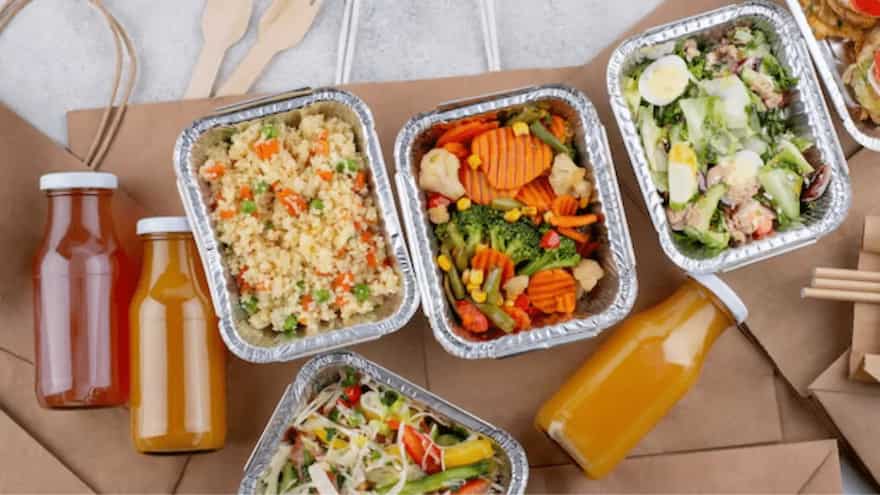
Image Credit: Magnific
Reports suggest that while consumers crave familiar foods, they also appreciate a healthier and modern makeover. Across Asia, Europe, and North America, the adaptation of traditional recipes with millets, fermented foods, and healthier ingredients has been a big hit. From instant mixes to ready-to-drink beverages, brands are packaging comfort foods to suit the requirements of busy lifestyles.
Sustainability Consumers Will Actually Pay For
Sustainability messaging has been ubiquitous for years, but there’s a segment of consumers who are willing to spend extra if the cause is justifiable and traceable. Studies suggest that four out of ten global consumers say sustainability is one of the factors they check before making a purchase. So, the vague eco-friendly claims are being replaced by brands built around traceable sourcing, such as coconut water companies, regenerative organic certification, and country of origin.