


 Share
Share

Every child who has sat through a geography lesson has probably encountered the term El Niño at least once. It appears in textbooks alongside ocean currents, the Pacific Ocean, global currents, water circulation, as well as the Indian monsoon. The term seems fun, but once school ends and life gets busier, it slips into the background, somewhere between forgotten exam answers and half-memorised maps. Until the price of onions and garlic shoots up, or a familiar basket of vegetables costs a lot more than it did last month. All of a sudden, that old geography lesson hits surprisingly close to home.
India's latest food inflation figures highlight this connection, but without making any blanket blame or claim. In September 2026, food inflation reached 7.74%, compared to the 5.97% in August, according to the government's Consumer Price Index release. Onion prices recorded an annual inflation of 108.09%, while ginger and garlic also became substantially more expensive compared to just a year earlier.
Now El Niño is indeed part of the weather story behind India's agricultural risks, but it is important to understand that rising food prices cannot automatically be blamed on this climate phenomenon only. Seasonal harvests, storage, transport, production costs, and the availability of supplies all influence the price consumers pay. Understanding El Niño helps explain why the weather can put additional pressure on an already complicated food market.
What Is El Niño, And How Does It Change The Weather?
El Niño is the warm phase of the entire El Niño Southern Oscillation (ENSO) phenomenon, a naturally occurring climate pattern that involves changes in sea-surface temperatures and atmospheric circulation across the tropical Pacific Ocean. During an El Niño event, the central and eastern equatorial Pacific waters become warmer than usual. And this affects the movement of air, moisture, and rainfall across several regions, sometimes as far as thousands of kilometres away. Its counterpart, La Niña, is associated with cooler than usual temperatures of the sea surface in the same broad region.

Image credit: Pexels
Neither phase follows a perfectly predictable timetable, and their consequences depend on their strength, timing, as well as interaction with other climate patterns. Now, El Niño does not simply mean hotter weather everywhere. Instead, it changes the likelihood of existing or particular weather conditions. Some regions experience drought, others receive unusually heavy rainfall, and the rest experience changes in temperatures or special storm activity. The World Meteorological Organisation's explanation of ENSO outlines how this Pacific phenomenon influences weather and climate across the globe.
For food production, the implications are not that complicated. Crops need enough water at very particular stages of growth, alongside suitable or tolerable temperatures during flowering and fruit development, as well as ideal conditions for harvesting. Too little rain, and yields are reduced; too much rain, and the crops are damaged, the fields are waterlogged, and harvesting automatically gets delayed. Heat can also increase irrigation requirements and stress out plants during sensitive stages of growth. While El Niño can increase these risks, it cannot be solely blamed for the outcome of every harvest.
Why India's Monsoon Matters To Food Prices
India's dependence on the summer monsoon makes El Niño very significant for the nation’s agriculture. The southwest monsoon generally runs from June to September and supplies much of the rainfall needed for growing and tending to crops. Irrigation does protect some farms from inadequate rainfall, but farmers growing rain-fed crops have less room for compensation when the monsoon is weak or ill-timed.
The Indian Meteorological Department's 2026 monsoon forecast anticipated seasonal rainfall at 90% of the long-period average, with an 84% probability of below-normal or deficient rainfall. It also indicated that El Niño conditions were likely to develop during the monsoon season. The result? A weaker monsoon that will leave the soil drier, reduce water availability for irrigation, and complicate subsequent sowing. Higher temperatures may also increase the amount of water that crops require exactly when supplies are under pressure as well. And farmers will then face greater uncertainty over yields, planting decisions, and the costs of maintaining their crops, long before getting around to actually selling them.
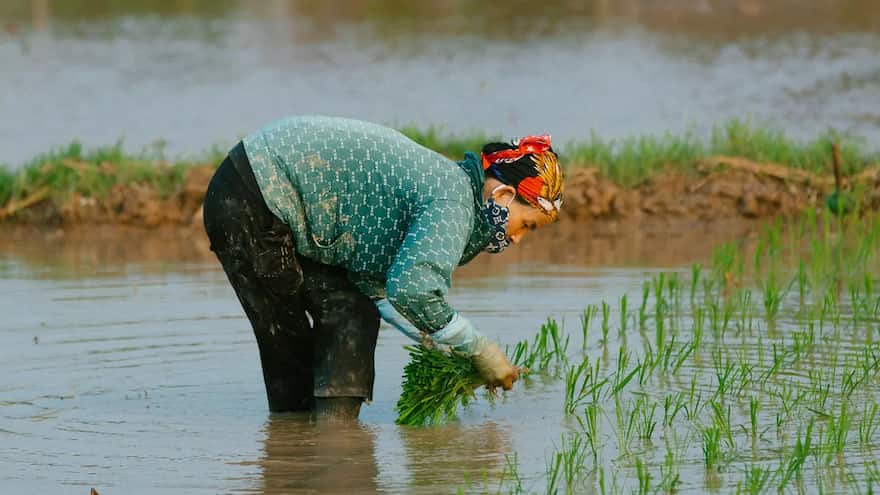
Image credit: Pexels
As a result, these consequences extend far beyond the farm. When less produce reaches wholesale markets, while demand remains more or less steady, food prices start to rise. The increase depends on the type of crop, available stocks, imports, government interventions, and the arrival of fresh harvests. This is why a climate pattern can influence the price of food without being the sole cause of that price. Such an irony.
Onions, Garlic And Ginger: What The Latest Numbers Tell Us
The sharpest illustration of current food price pressure can be easily explained by ingredients that feature in everyday Indian cooking. Onions form the base of countless curries and dishes, garlic brings depth to various contemporary preparations, dals and gravies, while ginger is nearly indispensable in everything from chai to marinades. When all three crucial culinary ingredients become extra expensive, households start feeling the burden almost immediately. The government's September 2026 inflation data show just how pronounced the increases have been. The figures in the detailed government press release compare prices with last month to give a realistic measure of food price increases for ordinary consumers in simple terms.
Onions recorded annual inflation of 108.09%, compared to 48.78% in August. Similarly, ginger’s inflation stood at 62.85%, while garlic’s inflation reached 54.62%. These are substantial increases, although the ginger figure was luckily and comparatively lower than its August inflation of 73.82%. In contrast, garlic became more expensive at a faster annual rate than in the previous month, when it was at 43.60%. The Department of Consumer Affairs' price monitoring system also recorded all-India average retail prices of approximately ₹53.07 per kg for onions, ₹35.04 per kg for ginger and ₹45.50 per kg for garlic on 14 October 14, 2026. The amounts can vary for various states, but these national averages offer a useful snapshot of the truth.
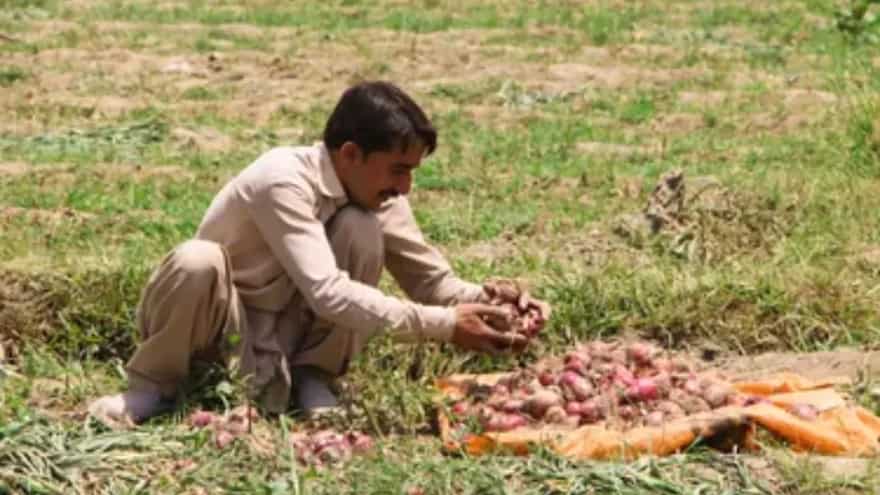
Image credit: Pexels
But it would be misleading to treat these figures as proof that El Niño was the main culprit behind the increase in the prices of these essential food commodities. The inflation figures establish that these ingredients have become considerably more expensive over the year, and certainly do not isolate the contribution of any one weather event only. But you must be aware of all these factors to understand how essential a role El Niño plays and where the extent of its influence ends for global food markets systems to begin their complicated process.
Beyond Fresh Produce: Rice, Pulses And Sugar
The effects of weather-related agricultural stress can extend to staple foods, although the relationship does vary from crop to crop. For example, rice cultivation is pretty sensitive to water availability, especially in areas dependent on rainfall. Similarly, pulses and oilseeds also face production risks when rainfall is inadequate during critical growing stages. And if their production falls short, then the consequences will definitely resonate down the line from wholesale markets, food-processing businesses, various ordinary traders, to every Indian household.
The government's May 2026 Monthly Economic Review does discuss the vulnerability of pulses and oilseeds to El Niño episodes accompanied by deficient rainfall. But crop losses are not inevitable. Irrigation, existing stocks, regional environmental conditions, and smarter policy measures can help cushion the impact. Sugar offers another example of why prices cannot be explained by weather alone. Sugarcane needs serious amounts of water over a long growing period, but sugar prices do not depend only on that. It is also impacted by production decisions, stocks, government policies, and the timing of the crushing season. Similarly, rice and pulse prices can also remain more stable when supplies are adequate, even during a period of climate uncertainty. For consumers, this distinction is very important to remember.
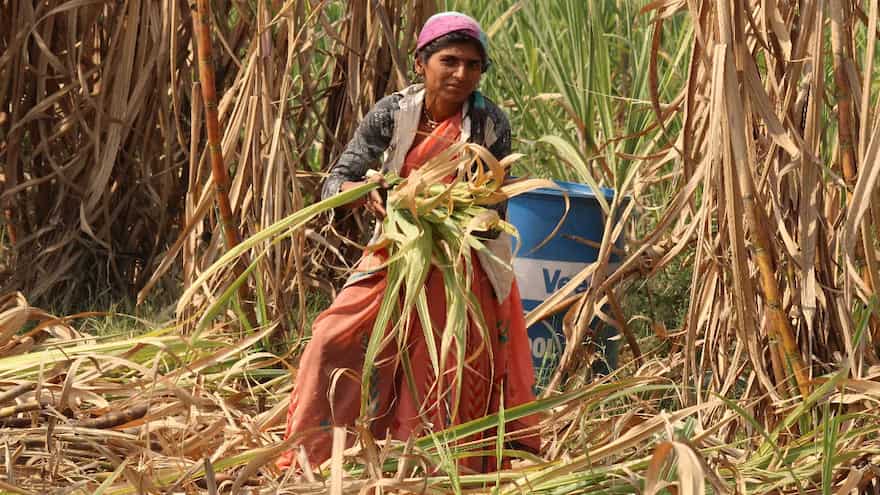
Image credit: Pexels
What Could El Niño Mean For Food Prices In The Months Ahead?
The World Meteorological Organisation's ENSO updates provide an important starting point for understanding the evolving climate outlook. El Niño can alter rainfall and temperature patterns across multiple agricultural regions worldwide, affecting the production of cereals, oilseeds, sugar, and fresh produce. Yet the direction and severity of these effects depend on local conditions, the strength of the event, and how it interacts with other climate influences. So, for India, the upcoming months should ideally be spent paying attention to soil moisture, reservoir levels, winter crop sowing, and the availability of irrigation water.
A weak monsoon can leave a legacy that lasts beyond September, especially if water reserves are under pressure. Ultimately, just keep in mind that El Niño is more than a forgotten geography term. It is a reminder that the journey from Pacific Ocean temperatures to your ordinary bowl of dal, a plate of rice, or a bag of onions is not as distant as it seems. The weather does not set every price in the market, but it can change the conditions under which food is grown, harvested, and sold. And when those conditions become less predictable, the effects will eventually be felt at the Indian kitchen counter.




