


 Share
Share

The price of a kitchen staple is rarely just the price of that ingredient. And right now, that is becoming particularly evident in India. The onion that usually begins a bhuna masala, the ginger that is regularly crushed into chai or a curry, the garlic that goes into a tadka and almost every other marinade or masala are all putting more pressure on household food budgets than before.
The latest official numbers show just how sharp some of these increases have been. India's food inflation rose to 5.95% in August 2026, from 5.52% in July. Ginger recorded annual inflation of 73.82%, onion 48.27%, and garlic 43.60%. At the same time, tomatoes and potatoes have actually become cheaper, thereby showcasing that this is not a blanket increase across every item in the vegetable basket.
This is important to note, as the current food price problem is not simply ‘everything is expensive’. It is a combination of weather disruption, tighter supplies, global commodity pressures, and changing demand, all landing on different foods at different times.
The Monsoon Has Been Part Of The Story
The first pressure point is India's monsoon. The India Meteorological Department's May 2026 forecast put the country's seasonal southwest monsoon rainfall at 90% of the Long Period Average, with a margin of error of ±4%, categorising this year’s season as below normal. That impacted agriculture because rainfall does affect sowing, crop development, as well as water availability, although its effect varied considerably from crop to crop and region to region.
This is particularly important for food inflation because India's fresh food supply remains highly seasonal. A weather shakedown does not have to destroy an entire season’s harvest to make prices disproportionate. If arrivals tighten while demand remains steady, prices can rise quickly.
The official August CPI (Consumer Price Index) data offers a lucid illustration of that unevenness. While onion, ginger, and garlic prices climbed sharply, tomato inflation stood at -31.09% and potato inflation at -13.14%. Therefore, the same food system can and does produce different outcomes across individual crops.
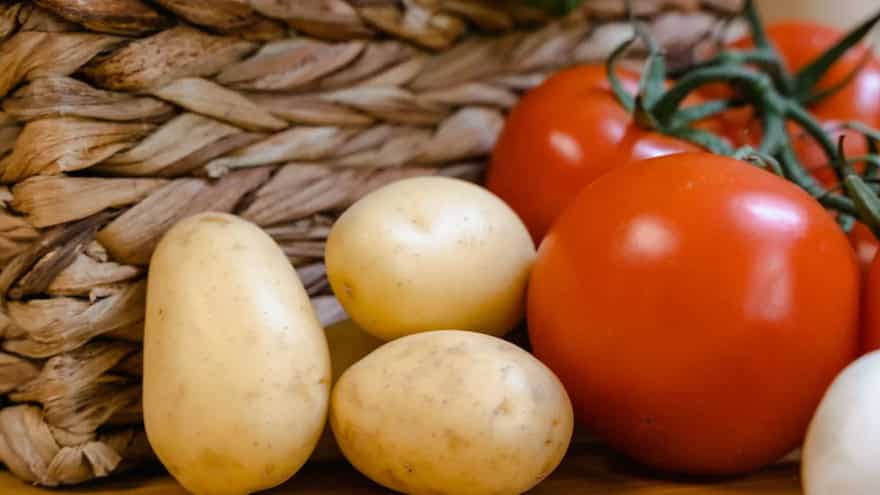
Image credit: Pexels
Why The Cooking Oil Story Is Different
Cooking oil has more of a global price chain. India remains heavily dependent on imported edible oils. Government data shows that import dependence fell from 63.2% in 2015-16 to 56.25% in 2023-24, but it exists, meaning domestic production still does not meet the country's full edible-oil requirement. That leaves Indian consumers exposed to international prices, freight costs, currency movements, and production conditions in major exporting countries. So when cooking oil becomes dearer, the explanation cannot be found entirely in an Indian field or kitchen.
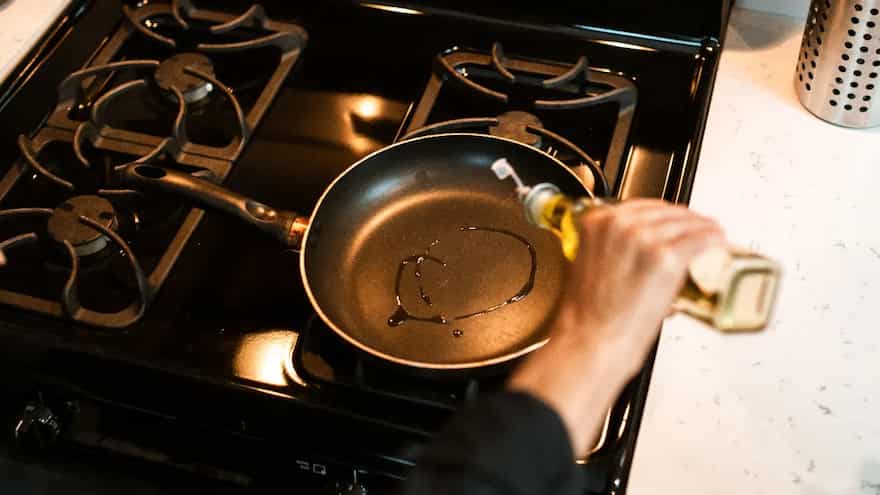
Image credit: Pexels
Then There Is The Energy Question
Food production is tied to energy at almost every stage: irrigation, transport, processing, refrigeration and cooking. But that very connection has become more uncomfortable this year because the global oil markets have been volatile amid conflict in West Asia. While higher energy costs do not automatically translate into a matching rise in the retail price of every food item.
They can still add pressure along the journey from farm to shop, especially for products that require transport, storage or processing. Not every increase at the supermarket shelf can be traced to fuel prices, but you must understand that prices of ordinary staples sit inside a much larger chain of costs, and a disruption at one end can eventually be felt elsewhere, down the consumer chain.
Ethanol Has Complicated The Grain Equation
There is another domestic factor that is less visible in the vegetable basket: India's ethanol programme. Under the government's latest ethanol-blending programme, the 20% blending target was set for Ethanol Supply Year 2025-26, bringing forward its earlier timeline. India had already achieved 19.24% blending in petrol in ESY 2024-25. The policy has strengthened the market for agricultural feedstocks used in ethanol production, including sugarcane and grain-based ones. Now, that does not mean ethanol alone is responsible for today's food price increases.
Instead, it adds another layer to the way agricultural commodities are allocated between food, feed, fuel and other uses. The government's own policy documents recognise this wider balancing act. Ethanol can support energy security and reduce dependence on crude oil, while agricultural land and commodities also have competing food and feed requirements.
Why the kitchen feels it first
The Indian kitchen is unusually sensitive to these shifts because a handful of inexpensive ingredients do an enormous amount of culinary work. Onion, ginger, garlic, and cooking oil are not occasional purchases. They form the foundation of curries, dals, snacks, marinades, breakfast dishes, and festive cooking. And the timing matters. India's major festive season is just starting, bringing its own seasonal demand for ingredients used in sweets, savouries, and celebratory cooking.
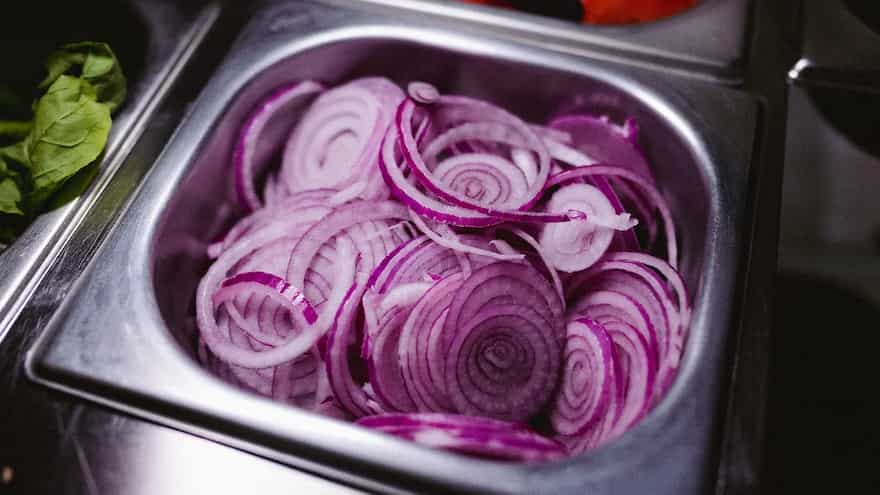
Image credit: Pexels
For now, the sharper lesson is that India's food inflation is not being driven by any solo villain. That is why your shopping bill can rise even when the entire vegetable basket is not out of the ordinary. In 2026, the Indian kitchen is not paying for one shortage, but for several pressures acting on the same plate.




