


 Share
Share

Up in the hills of Uttarakhand, summer comes not only with cool mountain winds but also with small golden berries called 'hisalu'. For many people hailing from the Kumaon and Garhwal regions, hisalu is more than just a seasonal fruit; it is deeply linked to childhood memories and local food traditions. The fruit grows in the wild across forest inclines and hilly trails during the late spring and the early summer, often managed by locals instantly from the thorny bushes.
You can think of Hisalu as somewhat similar to a raspberry, having tiny, clustered beads, making one soft fruit. When ripe, it turns bright yellow or orange and tastes a bit sweet with little tanginess. Because the fruit is quite delicate, it gets spoiled fast and rarely travels outside the hills in big quantities. That is why many people from Uttarakhand remain strange with it despite its cultural popularity in the mountain regions.
Locals often eat hisalu fresh by sprinkling a little salt or chilli powder on it, but it is also slowly finding its way into jams, juices, and some regional desserts. The fruit has long been loved in hill communities because it feels cooling, has hydrating properties and feels light during warmer months when the mountain sun becomes harsh.
Why Hisalu Feels Cool During Summer
Unlike the heavy sugary snacks or processed juices, hisalu feels refreshing naturally because of its high water content and lightly tangy taste. Locals often define it as the kind of fruit that cools down the body gently, rather than feeling too sweet or rich.
Since the fruit grows during the peak of the hill's summer, it has become closely linked with hydration. People trekking or walking long distances through hilly paths often eat hisalu fruit directly while travelling because it feels juicy, light and also refreshes the palate instantly. Here are some of the creative ways in which hisalu is enjoyed by the locals:
Fresh Hisalu With Salt And Chilli
One of the most traditional ways of eating hisalu is having it fresh from the bush, and by sprinkling a little salt and red chilli powder on it from the top. The sweetness and a bit of sourness balance the spice beautifully.
The fruit bursts softly while eating, releasing a juicy, cooling taste that feels particularly comforting after spending some time under the intense mountain sun. As the fruit is soft, most people like to eat it instantly after plucking it rather than storing it for long periods, as the freshness fades away.
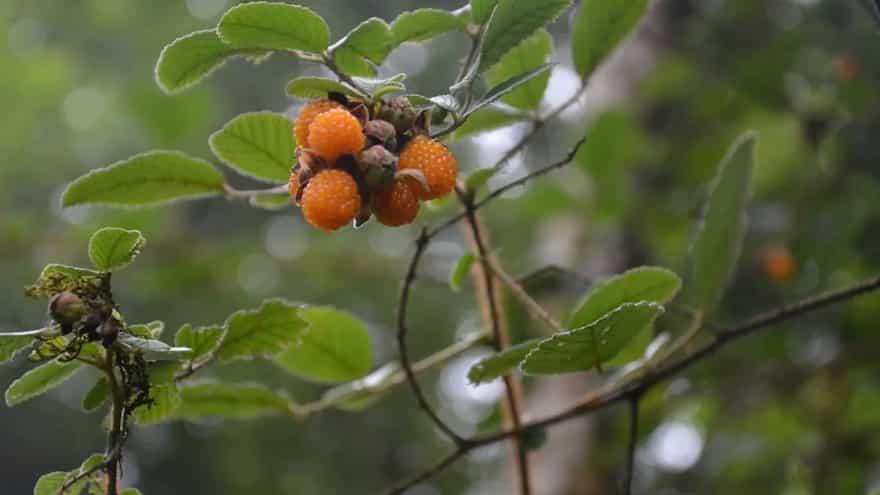
(Image credit: Wikimedia Commons)
Hisalu Juice And Sharbat
In recent years, small cafés and the local food businesses in Uttarakhand have begun to turn hisalu into refreshing summer drinks and mountain-style coolers. The fruit gets crushed a little with sugar or honey and then mixed with chilled water.
The drink results in tastes that feel fruity but not too sweet, having a mild floral and tangy undertones. Since hisalu already feels hydrating on its own, the sharbat becomes quite popular during hot afternoons in the hills.
Hisalu Jam And Preserves
As the fresh hulas get spoiled too quickly, many mountain households tend to preserve the fruit by turning it into jams and the fruit spreads. The berries are cooked with sugar until it turns thick into soft golden jam.
Unlike other commercial jams, hisalu jam tastes much more aromatic, having a gentle tartness with a sweet undertone. Locals often eat it by spreading it over rotis, breads or the homemade buns. The preserve also lets families enjoy the fruit much beyond its short seasonality, particularly after summer ends and fresh hisalu vanishes from the hills.
Hisalu In Regional Desserts
Modern home cooks in Uttarakhand have slowly begun to experiment with hisalu in desserts such as yoghurts, puddings and local sweets. The fruit works extremely well in chilled desserts because of its soft, juicy consistency.
Some people add fresh hisalu in thick curd or homemade ice creams, whereas others use it as a topping over millet-based sweets. Since the flavour remains soft and delicate, it can be paired well with light, creamy desserts rather than too rich preparations. The fruit’s natural freshness also prevents the desserts from feeling too heavy during warm weather.
Hisalu With Traditional Mountain Snacks
Another lesser-known way of enjoying hisalu is along with traditional mountain snacks such as mandua rotis, puffed grains or light evening snacks. The tanginess of fruit balances the earthy hill foods surprisingly well.
Many locals also simply mix hisalu in bowls of curd, roasted grains or the simple snacks in place of making elaborate recipes.




