


 Share
Share

Summer vacations often start with excitement but quickly turn into constant screen time and boredom complaints. While parents usually start looking for camps, worksheets or some hobby classes, it is overlooked how this is the best time to let your children spend some time in the kitchen and learn useful skills. Cooking activities naturally teach patience, obedience, creativity, responsibility and even confidence, all while being playful rather than being an academic course.
Measuring the ingredients teaches proportion, arranging the food improves the focus and creativity, while simple mixing and assembling activities help in developing coordination. More significantly, kitchen activities make children feel more included in day-to-day activities rather than simply being given instructions the whole day. Even small tasks like washing fruits or layering sandwiches can slowly make them more independent around food.
The best part is that these activities do not need pricey ingredients or complex recipes. Most of them can happen with simple pantry items that are already present in your home. Summer vacation becomes a good chance to let children explore the textures, flavours, as well as small responsibilities in ways that feel satisfying rather than forced.
Build-Your-Own Sandwich Boards
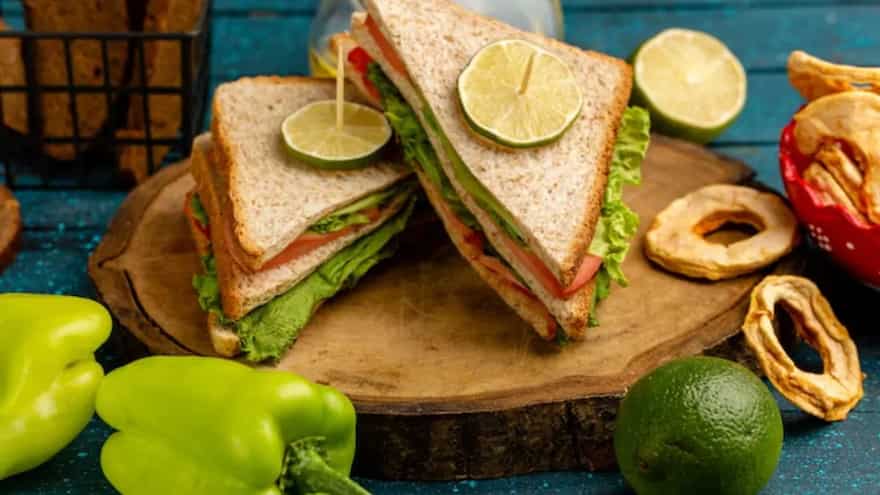
Rather than making sandwiches for children all by yourself, make a small sandwich station that has bread, spreads, vegetables, cheese and the fillings. Leave them to assemble and explore the combinations themselves. This activity teaches decision-making, food pairing and basic meal assembly without involving any complex cooking process.
Children slowly start understanding balance, like why crunchy vegetables work better with soft spreads or why too much sauce can make the bread too soggy. It also improves confidence because they feel ownership over what they have made. Since the activity remains playful as well as creative, children often become more willing to try the vegetables and unfamiliar ingredients they would usually avoid during regular meals.
(Image credit: Freepik)
Homemade Lemonade And Summer Drink Mixing
Let children make lemonade, chaas, fruit coolers or even simple mocktails. Measuring water, squeezing lemons and balancing the sweetness quietly teach them to balance and flavour the adjustment in a very useful way.
Children also start noticing how small ingredients change the effect of the taste. Adding some extra mint changes the freshness, too much salt influences the balance, and more ice changes the whole intensity. These observations help in sharpening the sensory understanding. Summer drinks work particularly well because they feel fun as well as colourful while staying safe for younger children to make with minimal maintenance in the kitchen.
No-Fire Chaat And Snack Making
Simple bhel, fruit chaat, yoghurt bowls or cucumber snacks make excellent activities because they teach ingredient preparation without any tension of stove cooking, as you have to keep a check. Children can peel, arrange, sprinkle spices and test with various combinations.
This activity improves hand coordination and also introduces basic kitchen organisation. Children also start comprehending textures- such as crunchy, soft, tangy or juicy- while making their own snacks. Since no-fire recipes feel more like creative play rather than just formal cooking, children remain engaged for a long time and often become surprisingly thoughtful about exhibition and flavour combinations while making their plates.
Decorating Homemade Popsicles
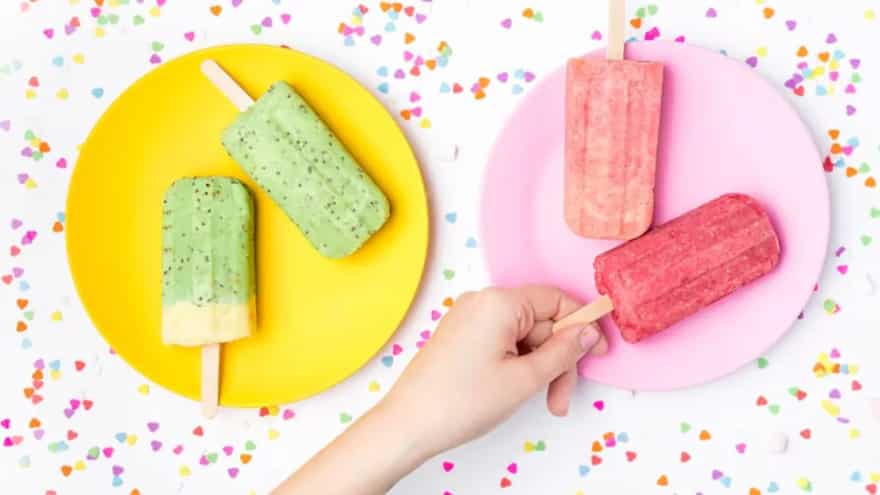
Making popsicles at home can become a lesson that teaches planning as well as patience. Children can mix fruits, pour the mixture into moulds and arrange the toppings such as berries, nuts or mint before freezing it.
Apart from the creativity, this activity also teaches delayed gratification because children must wait for many hours before eating. It also teaches them about seasonal fruits and flavour combinations in a natural way. Since summer heat already makes the frozen desserts more fun, children generally remain highly interested throughout the process while unknowingly learning the whole preparation method, measuring, and food presentation.
(Image credit: Freepik)
Mini Baking Activities With Measuring Tasks
Simple baking tasks such as cookies, mug cakes or banana bread can help children comprehend precision much better than many regular classroom exercises. Unlike everyday cooking, baking depends entirely on accurate measurements, which teaches attention to detail in a very simple manner.
Children slowly know why exact quantities are important and how ingredients act differently once they are mixed or heated. Even cracking eggs, whisking batter or adding dry ingredients teaches forbearance as well as coordination. Baking also gives kids a visible result, so that they feel proud of it afterwards. The process feels rewarding because the kitchen slowly changes from a place where adults work into a place where children can feel skilled as well as included, also.




