


 Share
Share

For generations of Indian rum drinkers, the sight of the unmistakably iconic Old Monk bottle has become as familiar as the seasons of the year. The dark rum has acquired a ‘cult-ural’ following that goes well beyond the bar shelf, becoming part of countless college memories, army canteens, road trips, and cold-weather evenings. So, the news of the Food Safety and Standards Authority of India (FSSAI) barring the sale of three Old Monk variants has naturally caused some confusion.
But there is an important distinction here: FSSAI has not banned every bottle of Old Monk across India. The action concerns specific variants of Old Monk that were manufactured at a particular facility in Maharashtra. The wider regulatory issue focuses on the use of external artificial or nature-identical flavouring in spirits that are normally expected to derive their characteristic profile through their usual prescribed production processes. Then, what exactly went wrong?
It Is Not Simply About Old Monk
The latest action is part of a broader FSSAI crackdown involving several well-known whisky and rum brands. Alongside three Old Monk variants, the regulator has also acted against products including Antiquity Blue Whisky, Royal Challenge Whisky, McDowell's No. 1 Rum, Bagpiper Deluxe Whisky and Old Cask Deluxe XXX Rum. According to reports, FSSAI laboratory tests found artificial or "nature-identical" flavouring in the products under scrutiny that do not abide by their standard quality guidelines. The regulator classified the affected products as sub-standard because of the presence of external flavours and non-compliance with actual procedures.
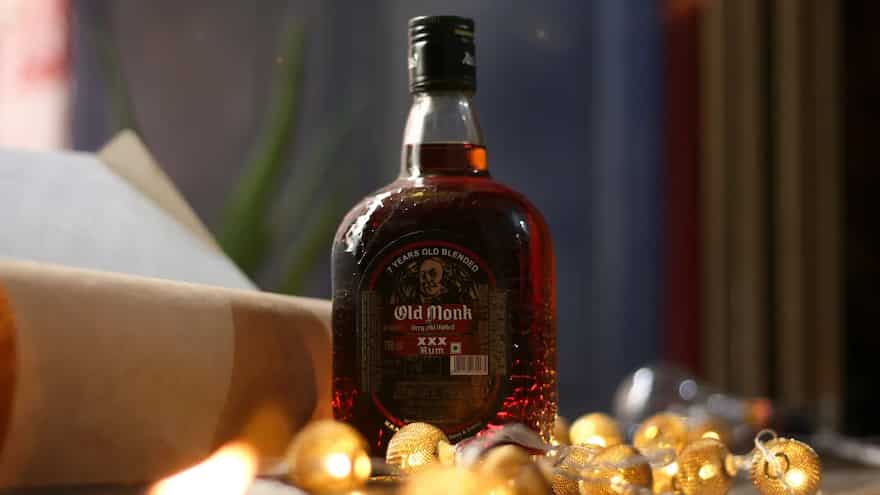
Image credit: Unsplash
The important question is not whether flavouring substances can be used in alcoholic beverages or not. They can, under the applicable regulatory framework and in the respective beverage criterion. The issue is what is being added instead and how the resulting beverage is being apparently misrepresented. That distinction is particularly important when it comes to a drink labelled and understood as rum.
Why Is Flavouring Such A Big Deal?
FSSAI's regulations define rum as an alcoholic distillate obtained from fermented sugarcane juice, molasses, or other sugarcane products, with specific requirements for its characteristics and composition. The regulations also help distinguish flavoured or premixed rum drinks as a separate category. And this is where the current controversy gets interesting.
According to FSSAI, the products investigated contain external artificial or nature-identical flavours that are intended to reproduce characteristics which are commonly associated with properly produced or matured spirits. The regulator also said that there is no internationally recognised manufacturing practice in which rum flavour is simply added to rum, or whisky flavour to whisky, to replicate the taste and flavour profile that develops normally through liquor production processes.
In simpler terms, the concern is not that a flavouring ingredient exists somewhere in the alcoholic beverage industry. It is whether manufacturers are using flavouring to create or imitate mixological characteristics that consumers would reasonably expect to come from authentic rums and whiskeys, made using traditional manufacturing processes. And that distinction matters enormously when words such as ‘matured’ or age-related claims appear on a bottle, as those are labels that are earned, not simply generated.
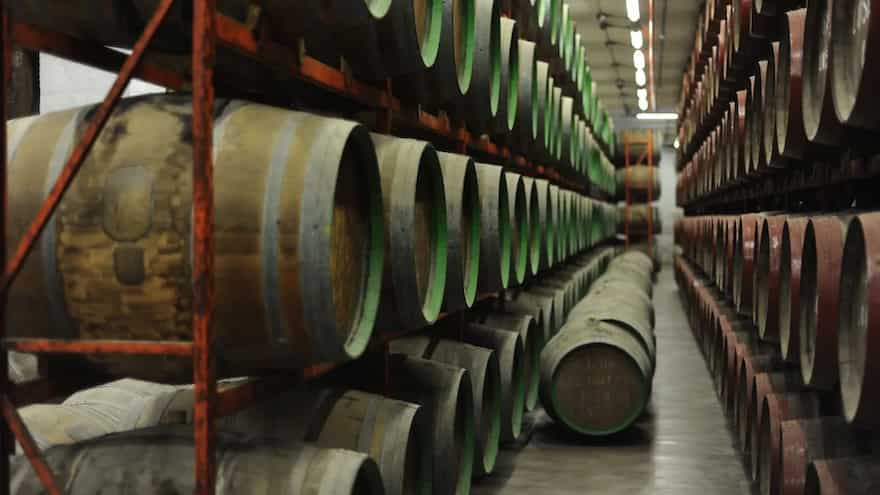
Image credit: Pexels
Ageing is not merely a beautiful mixology term printed on an alcohol label. When a spirit is matured in an appropriate vessel for a defined period, it undergoes chemical changes that influence its aroma, colour, flavour, as well as mouthfeel. Oak ageing, for instance, can contribute compounds that produce vanilla-like, woody, caramelised and spicy notes.
FSSAI's existing regulations specify certain requirements for rum to be labelled as "matured", including maturation in oak vats or barrels for a certain prescribed period.
Therefore, it is evident that the regulator's concern is that manufacturers should not take shortcuts to attain the characteristics associated with maturation by adding external flavours and presenting the beverage in such a way that it suggests those characteristics were obtained through the expected and authentic production process. That is not acceptable.
The Old Monk Variants In Question
The FSSAI action reportedly affects three Old Monk variants manufactured by Mohan Rocky Springwater in Maharashtra. Sources identified these as three popular variants of the iconic rum brand, although the report did not suggest that every Old Monk product made across India was affected by it. That geographical and manufacturing distinction is worth keeping in mind.
Alcohol regulation in India is complicated by the country's state-wise system, with taxation, distribution and retail rules varying considerably from one state to another. Consequently, a regulatory action affecting products manufactured at a particular facility does not automatically mean that every bottle carrying the same brand name has been declared illegal throughout the country. This is also why consumers should be cautious about social-media posts declaring that "Old Monk is banned in India" because that is a gross oversimplification of what has actually happened.
Bottom Line: What Does It Mean For Rum Connoisseurs?
Interestingly, India's regulatory framework already recognises flavoured or premix rum as a category on its own. A recent FSSAI consultation document describes premix/flavoured rum as an alcoholic beverage made from rum and flavourings such as spices or fruits, with permitted colour and/or added sugar where applicable. The same document also separately discusses requirements around matured rum.
Image credit: Pexels
So, the regulatory conversation is not about outlawing innovation in rum overall. For example, a rum infused with a recognisable fruit or spice profile is not automatically problematic simply because it contains flavouring. The central question is whether the product complies with the relevant category requirements and is labelled and marketed accordingly. This is why the distinction between rum, matured rum and flavoured rum becomes so significant in this case. Because the concerned beverages here are being marketed as authentic ‘rum’ when they are actually being created via shortcuts to come up with a product that actually qualifies under the category of ‘rum flavoured spirit’.
For Old Monk lovers, meanwhile, there is one small consolation: the iconic rum itself is not disappearing from India's shelves because of a nationwide ban. What has happened is considerably more specific — three variants from a particular manufacturing facility have been caught up in a regulatory dispute over flavouring and standard violation. And that distinction is rather important to keep in mind before dramatically announcing to anyone that the era of Old Monk has come to an end.




