


 Share
Share

As a cultural crockpot, India's culinary map stretches far beyond the dishes that have become familiar abroad. While butter chicken, butter naan, vindaloo, and chai or mango lassi are admirable desi dishes, they barely begin to skim the cream of the bottomless milk. Regional food traditions often change dramatically with geography, climate, local produce, community, and history. And for many Indians as well, the finer food traditions of distant regions remain relatively unfamiliar.
This does not lead to ignorance, but rather an opportunity to truly explore the bountiful cooking traditions that India has to offer. Plus, an international table is an interesting place to bring these underrated foods into focus. On October 5, President Droupadi Murmu hosted Swiss Confederation President Guy Parmelin and First Lady Caroline Parmelin at Rashtrapati Bhavan, with the banquet taking a distinctly Himalayan and mountainous route.
The menu drew inspiration from Jammu, Kashmir and Ladakh, bringing together regional ingredients and traditional preparations along with some lesser-known dishes. For communities whose food traditions are commonly encountered mainly within their own regions, seeing them represented at a formal international engagement carries its own significance and pride. It also gives international guests an introduction to cuisines that are far more varied than the generic idea of "Indian food".
A Menu That Began In Ladakh
The dinner opened with Za Thuk, a Ladakhi wild nettle soup further enriched by winter peas and roasted millet pearls, and was accompanied by assorted breads. Ladakh's food traditions have evolved around the region's high-altitude landscape and local produce. The official website for Ladakh Tourism highlights traditional foods including thukpa, momos, tsampa, and apricot-based preparations, while the region’s cuisine reflects a mix of Indian, Tibetan, Chinese, and Korean influences.
Next came Labo-Na Tsonma, a salad designed around the region's cheese traditions. It combined labo and chhurpi from Ladakh with Jammu's kalari, along with dried apple, walnuts, and wild capers. Sea buckthorn and honey formed the salad dressing, while buckwheat and foxtail became crackers, and Ladakhi apricot jam and a yoghurt dip with wild garlic chives accompanied it.
The appetisers then moved further towards Jammu and Kashmir. Kimb Chaat brought together boiled taro root and sweet potatoes with rice-flour crispies, sweetened yoghurt, tamarind sauce, and starfruit. While Nadur Kebab featured lotus-stem patties seasoned with Kashmiri spices and was served with walnut chutney.
Kashmir Takes Over The Main Course
The next section of the meal was firmly rooted in Kashmiri cooking. Phorok Nangka, a charcoal-roasted whole wheat dumpling, was served with turnip greens and caper leaves alongside a tomato-onion relish. Chaman Qaliya brought a delectable cottage cheese dish cooked in a milk and turmeric-based sauce, followed by Haakh, the simple preparation of greens that remains an important part of Kashmiri vegetarian cooking.
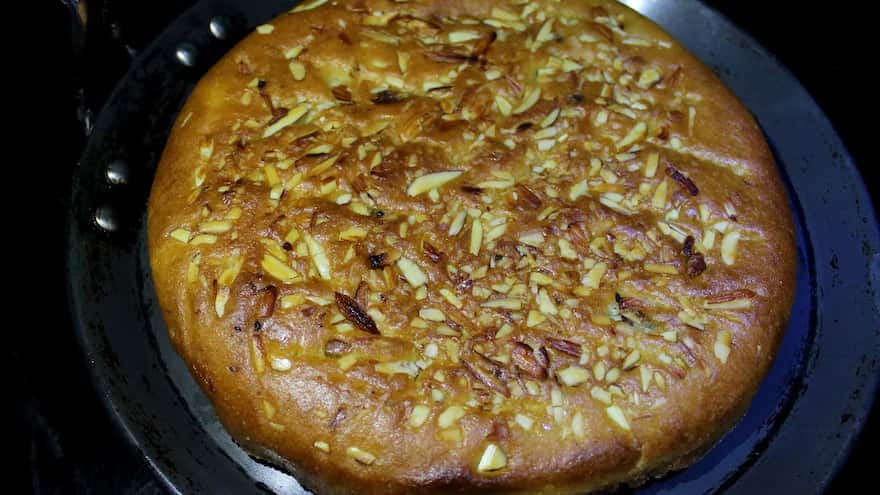
Image credit: Wikimedia Commons
There was also Dum Olav, potatoes cooked with yoghurt, dry ginger, fennel, and aromatics, and Tsok Wangun, aka baby aubergines in a tangy preparation. The rice course was Kanna Guchh Pulao, made with Kashmiri morels and whole spices. In the meantime, Mujj Chatin, combining white radish and freshly churned yoghurt, added another cool and refreshing note to the entire spread. The breads for this course included Sheermal and Katlam, keeping the meal connected to the region's traditional bread culture.
Shufta, Phirin And A Very Ladakhi Finish
Dessert was not a single-note affair. Shufta single-handedly balances dried dates, cashews, raisins, coconut, and poppy seeds in a rich and traditional Kashmiri combination. While Phirin, a milk-and-semolina pudding flavoured with saffron and cardamom and generously finished with dry fruits, followed flawlessly. There was also Phaymer, made with roasted barley, jaggery, butter, and soft Chura cheese.
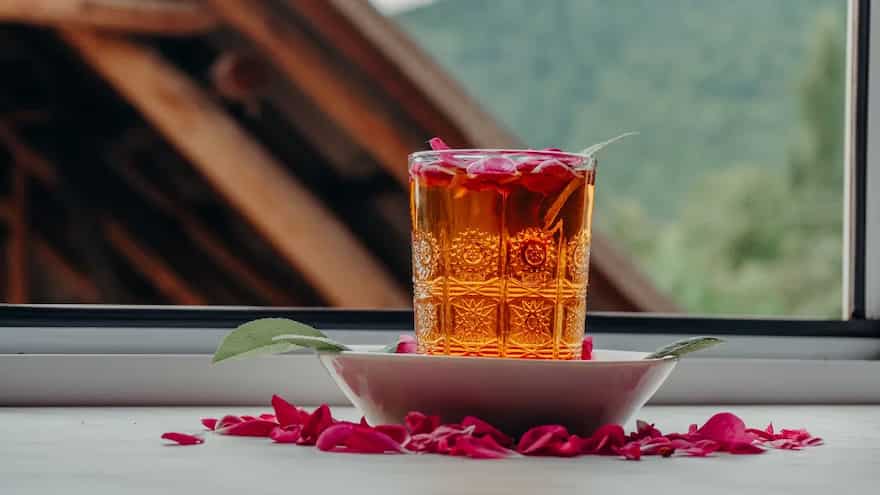
Image credit: Pexels
The beverages continued the geographical journey. There was Kahwa, the fragrant Kashmiri tea traditionally associated with cardamom, cinnamon, saffron, and almonds. It brought the Kashmiri cuisine section to a close. The spread also included Gur Gur Chai, the salted butter tea associated with Ladakh, alongside a beautiful wild rose tea. The menu's emphasis on ingredients such as Ladakhi apricot, sea buckthorn, wild nettle, barley, and yak cheese alongside saffron, morels, and lotus stem made the meal especially regional and Himalayan in essence.
And perhaps that is what made the banquet interesting beyond its diplomatic setting. A State dinner can communicate through speeches and agreements, but it can also say a lot via what is served at the dinner table. This meal offered President Parmelin a journey through Jammu's street-food traditions, Kashmir's local produce and spice markets, hilly bakeries, as well as Ladakh's mountain produce, ensuring three distinct Himalayan food cultures are given seats of honour at the international table.




