


 Share
Share

During the monsoon, the woods of Northeastern India get filled with one of the most loved seasonal ingredients of the region, i.e bamboo shoots. Reaped when the bamboo culms are still soft and delicate, these shoots have been a crucial part of food traditions in the region for ages. Long before refrigerators were known, communities across Assam, Nagaland, Manipur, Mizoram, Arunachal Pradesh, Meghalaya, and Tripura found ways to preserve bamboo shoots to use them for the rest of the year.
At present, they persist in describing the taste of many Northeastern dishes that cannot be imitated by any other ingredient. Beyond just their culinary charm, bamboo shoots also display the region's deep connection with seasonal eating, sustainable harvesting, and the age-old preservation methods involved.
Why First Monsoon Rains Are Important Harvesting Of Bamboo Shoots
The splash of the first monsoon rains marks the beginning of harvesting bamboo shoots across Northeast India. Immature shoots emerge from the ground, which makes them even softer to eat before they grow into fully developed bamboo. Timing is crucial here, as shoots, if reaped too late, turn fibrous and do not give their light and soft taste, for which they are loved.
For many local communities, harvesting bamboo shoots is much more than just a seasonal activity. It is more like a practice that has been passed down through the years. The fresh shoots are collected from the forests, which are then cleaned, sliced, and prepared for cooking or preservation. As the harvesting window is short, the monsoon is considered the best time to enjoy fresh bamboo shoots, when they are at their best.
Fresh Vs Fermented Bamboo Shoots
Fresh bamboo shoots have a crisp texture with a light, slightly sweet taste. However, they have naturally occurring compounds that need proper boiling before it is cooked. Once made, they soak up the spices perfectly and are generally used in curries, stir-fries, soups, and also with meat dishes.
On the contrary, fermented bamboo shoots have a deeper aroma and a tangy taste that feels pleasantly tangy, that it gets through the natural fermentation process.
The two are used differently in culinary terms:
- Fresh bamboo shoots are perfect to use in light curries, stir-fries, and vegetable dishes
- Fermented bamboo shoots add a robust flavour when added to pork, fish, and some smoked meat cuisine
- Fermentation naturally extends the shelf life of bamboo shoots, making them available even beyond the monsoon season
How Different Communities Preserve Bamboo Shoots Throughout The Year
Long before refrigerators became common, conserving bamboo shoots was important because of their short harvesting season. Different communities across the Northeast formed some techniques that suited their climate as well as their food habits best.
Some slices are filled into bamboo cylinders or into earthen pots and left to ferment on their own for many weeks. While others are sun-dried after partial fermentation is done. Some households store them in an airtight box once they ferment fully. In Assam, fermented bamboo shoots are generally known as khorisa, whereas in Manipur, soibum remains an essential pantry ingredient.
These preservation methods not only extend their shelf life but also give a unique taste for which Northeastern cooking is loved. Many communities still use these traditional preservation methods, even though refrigerators are available, to maintain authenticity.
Traditional Bamboo Shoot Dishes From Northeast India
Here are some traditional bamboo shoot dishes that are relished across Northeast India when it is available:
Khorisa Maas, Assam
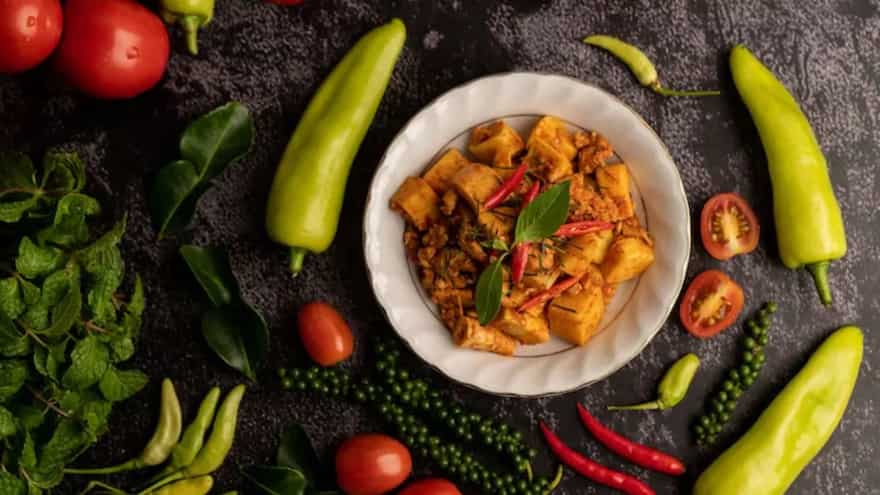
One of the most enjoyed bamboo shoot dishes from Assam, Khorisa Maas, combines fermented bamboo shoots with freshwater fish. The tangy taste of khorisa beautifully accompanies the richness of the fish without overpowering its original flavour.
The curry is made by mixing mustard oil, green chillies, garlic, and everyday basic spices that let the bamboo shoots stay the highlight. It is traditionally served with steamed rice and is extremely popular during the monsoon season when freshly fermented khorisa becomes widely available.
(Image credit: Freepik)
Smoked Pork With Bamboo Shoot, Nagaland
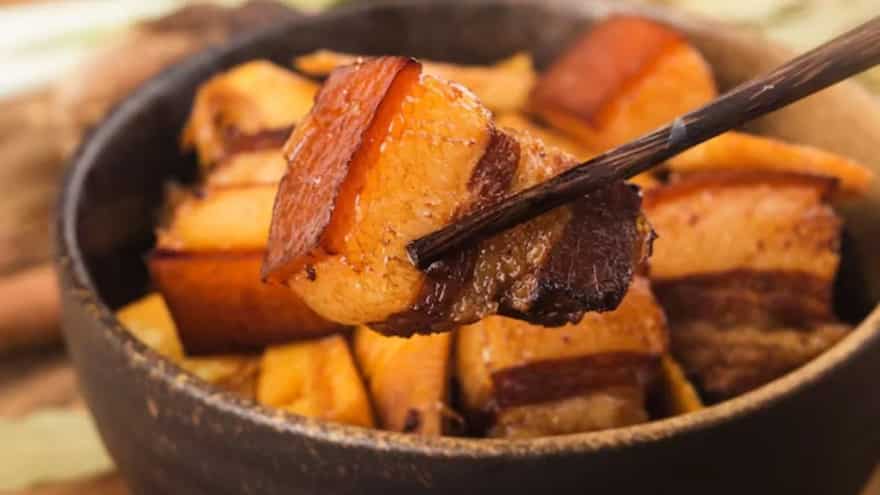
This is possibly the most iconic bamboo shoot dish hailing from Nagaland, which features smoked pork that is slow-cooked with fermented bamboo shoots, Naga chillies, garlic, and a mix of local herbs. The smoky meat and tangy bamboo shoots make layers of flavour that have become synonymous with Naga cuisine.
Unlike the heavily spiced curries, this preparation depends on just a handful of ingredients, letting each one glow. It is invariably enjoyed with just plain rice, which perfectly balances the bold taste.
Soibum Eromba, Manipur
In Manipur, fermented bamboo shoots, also known as soibum, are often used in Eromba, a satisfying mash prepared with various boiled vegetables, potatoes, fermented fish (or vegetarian options), green chillies, and local herbs.
The bamboo shoots add a slight sourness and aroma that represent the dish in its perfect way. Eromba is a staple in Manipuri homes and is paired with steamed rice, making it one of the comfort foods that people are fond of here.
Bai, Mizoram
Bai is the signature vegetable stew of Mizoram and one of the most nourishing ways to relish bamboo shoots. Fresh bamboo shoots are cooked with leafy greens, beans, squash, and sometimes pork, which makes a light but flavourful meal.
Use of minimal spices allows the freshness of the vegetables to shine out, while bamboo shoots deliver a light crunch and earthy taste. Bai showcases the Mizo choice for simple cooking that honours fresh, seasonal produce.
(Image credit: Freepik)
Bamboo Shoot Chicken, Arunachal Pradesh
Across Arunachal Pradesh, chicken is often cooked by combining fresh bamboo shoots with ginger, garlic, local herbs, and green chillies. The recipe does not have any heavy gravies, letting the bamboo shoots soak in the natural juices of chicken while adding their own light flavour.
The result is a light, fragrant curry that is typically eaten with steamed rice. During the monsoon harvest season, fresh bamboo shoots are particularly prized for this preparation because of their softness.




