


 Share
Share

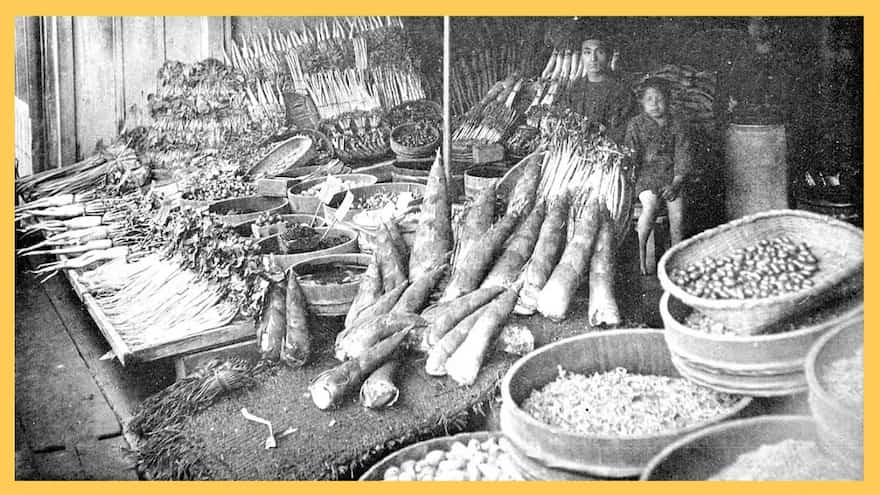
FOR SOMETHING that grows quietly, almost invisibly, bamboo has had a surprisingly loud culinary life. Long before “plant-based” became a supermarket aisle, tender bamboo shoots were simmering in curries, pickled in earthen jars, tossed into broths and stir-fries across Asia.
Now, with headlines calling it a “superfood,” bamboo shoots are back in conversation. But the real question isn’t whether they’re trendy — it’s whether we’re simply rediscovering what many cultures have known all along.
What Exactly Are Bamboo Shoots?
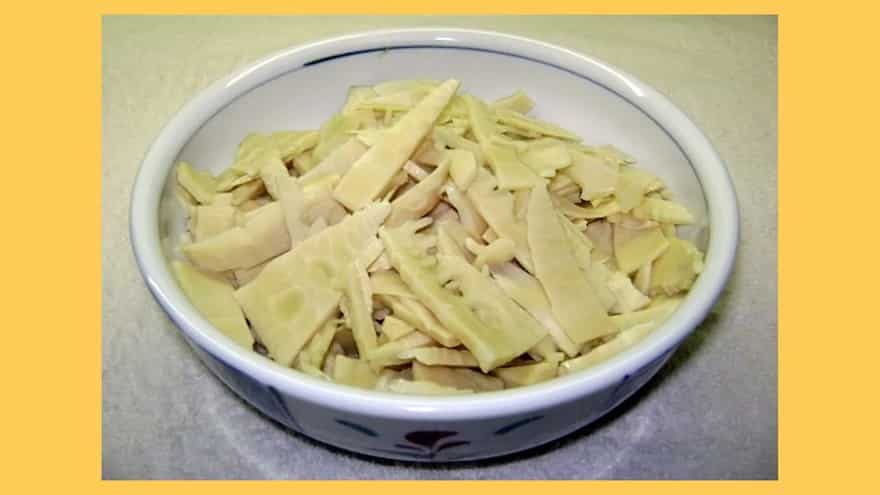
Bamboo shoots are the young, tender sprouts of the bamboo plant — harvested before they harden into the tall stalks we associate with forests and scaffolding.
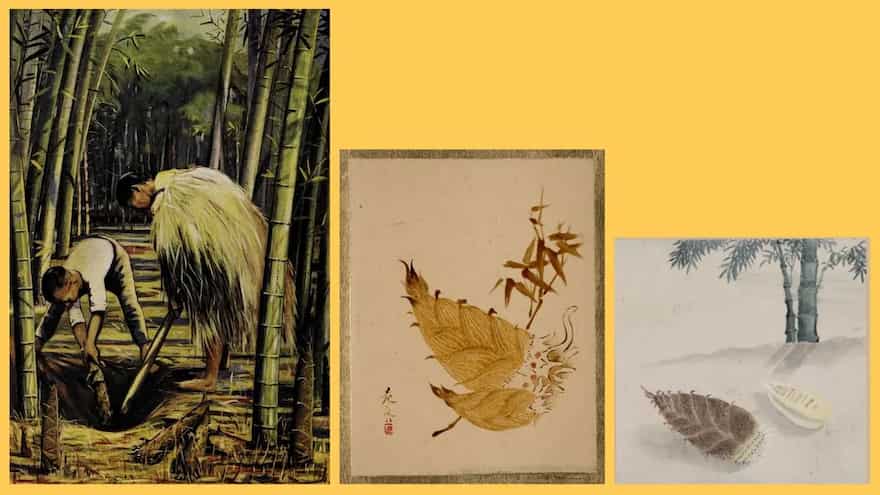
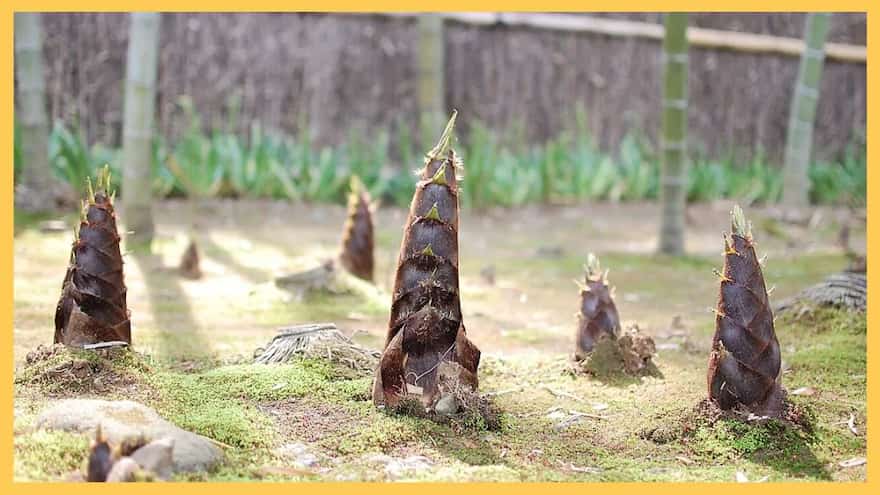
They’re crisp yet yielding, mildly sweet with a faint earthy bitterness, and remarkably versatile. Nutritionally, they’re low in fat, high in fibre, and contain small amounts of protein, potassium and plant compounds like flavonoids.
But their story isn’t just nutritional. It’s deeply cultural.
Bamboo in Indian Kitchens: More Heritage Than Hype
In India, bamboo shoots are not a novelty — they’re tradition.
Northeast India
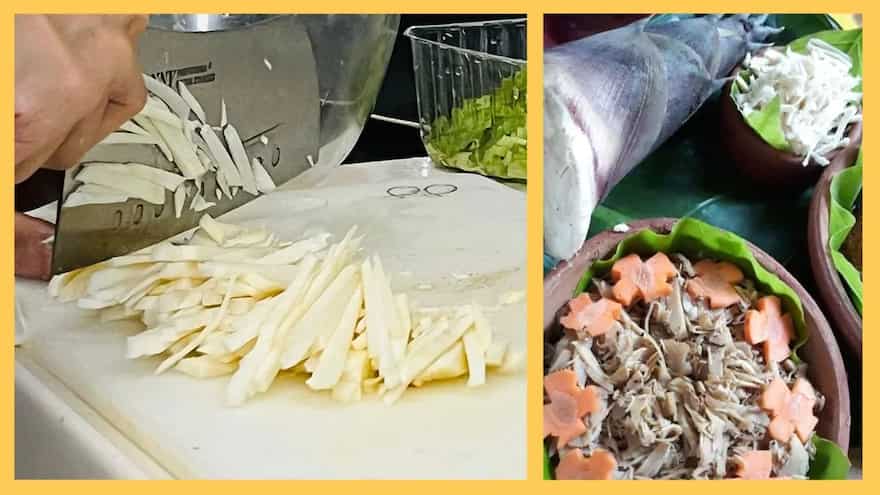
Across Assam, Manipur, Mizoram, Meghalaya and Nagaland, bamboo shoots are woven into daily meals. They’re eaten fresh, fermented, dried, pickled, or smoked.
- In Assam, khorisa (fermented bamboo shoot) adds a tangy punch to fish curries.
- In Manipur, soibum is slow-fermented and folded into stews.
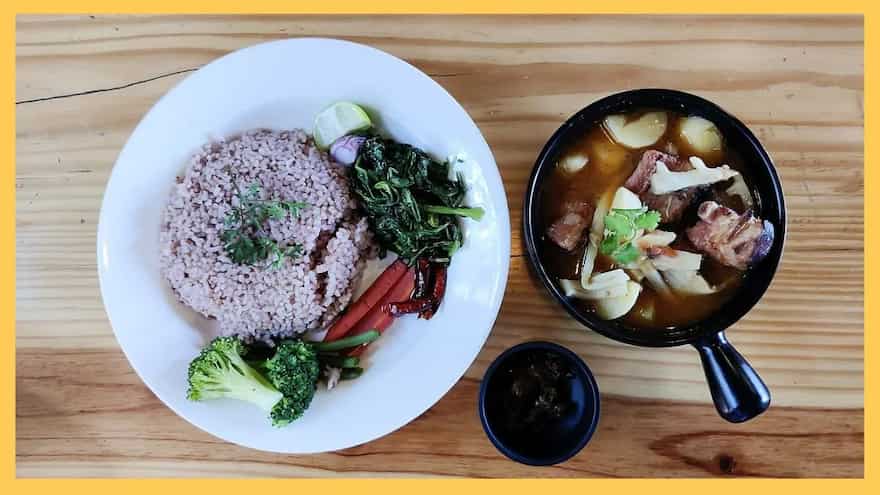
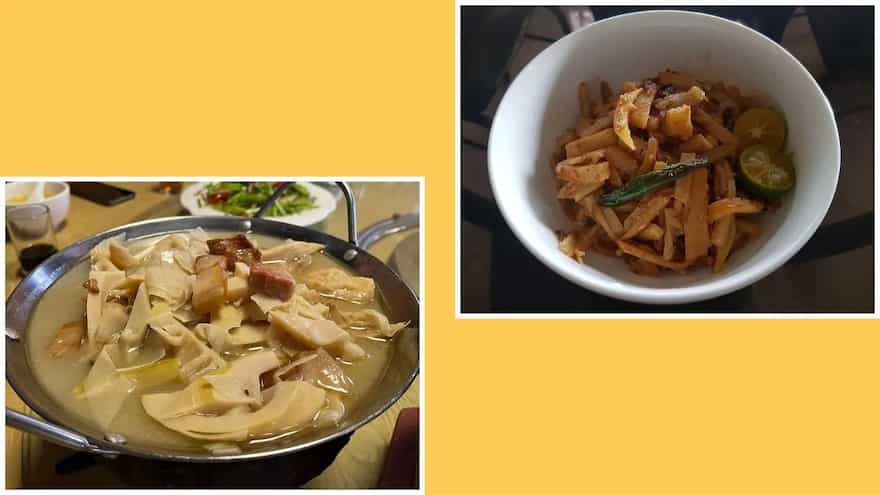
- In Nagaland, smoked pork with bamboo shoot is comfort food with depth and fire.
The fermentation process not only preserves the shoots but transforms their flavour — sour, complex, almost umami-rich.
Eastern India
In parts of Odisha and West Bengal, bamboo shoots appear in tribal and rural cooking — often paired with seasonal vegetables and local spices.
Southern and Central India
Less common, but not unheard of — especially in communities with forest-linked food traditions.
For many indigenous communities, bamboo isn’t just food. It’s architecture, craft, livelihood — and sustenance.
Around the World: A Global Staple
Outside India, bamboo shoots are foundational in several cuisines:
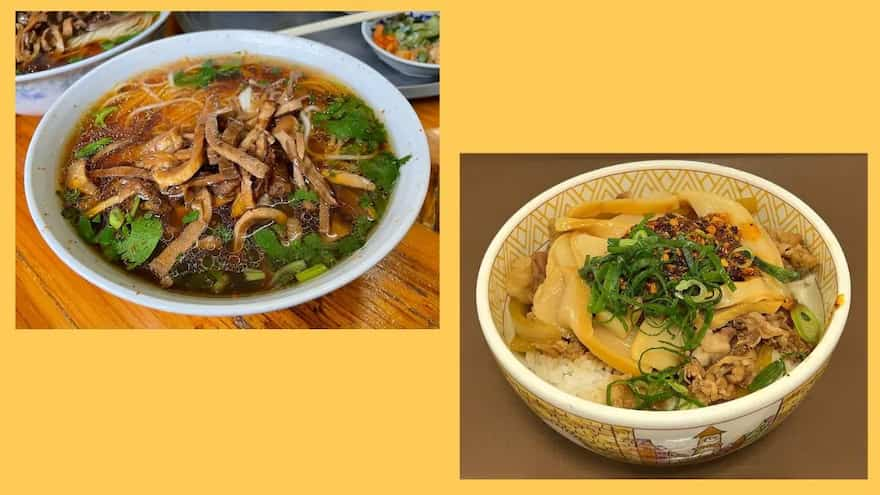
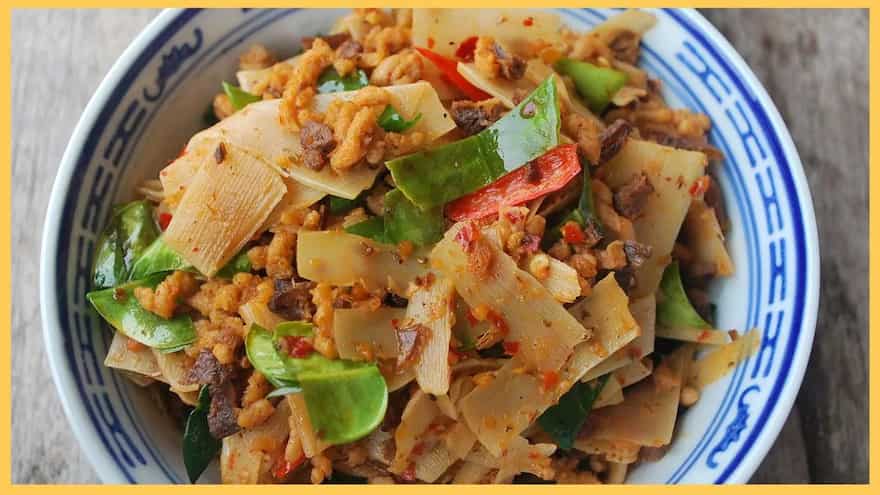
- In China, they’re stir-fried, braised, or added to hotpots.
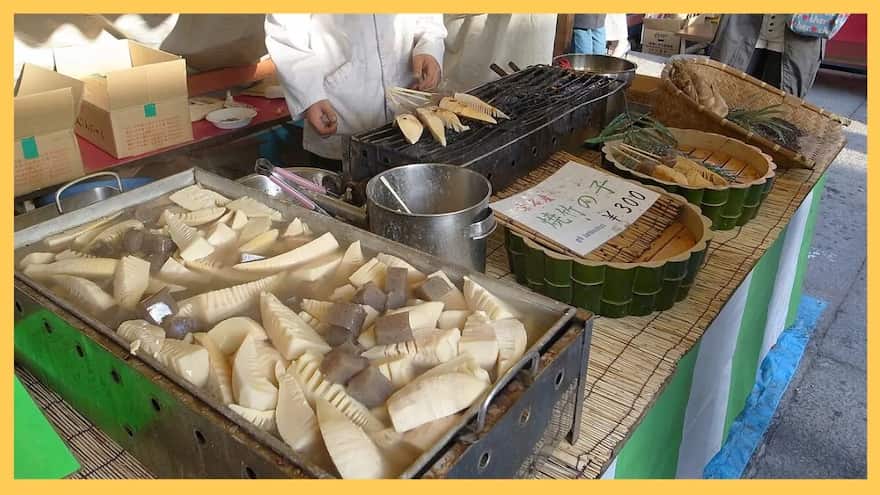
- In Japan, takenoko is simmered with soy sauce and bonito.
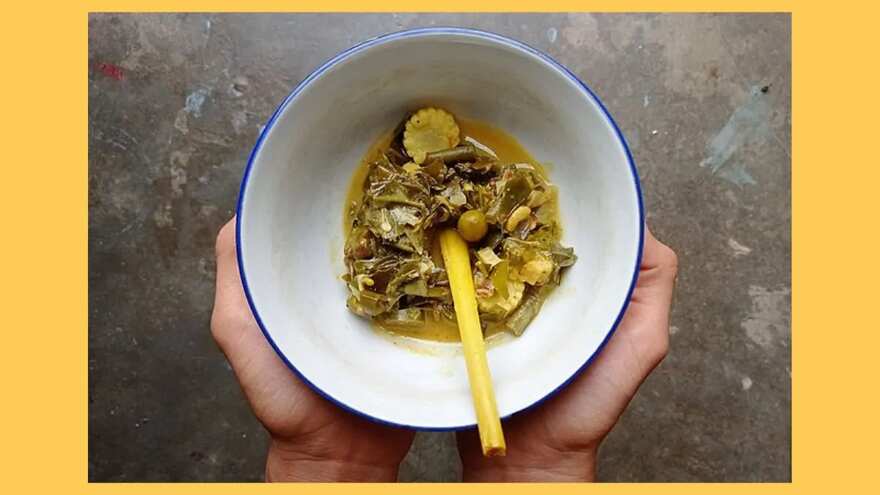
- In Thailand, they appear in coconut curries.
- In Indonesia, they’re used in vegetable stews like sayur lodeh.
In short, bamboo shoots are less a superfood discovery and more a quiet global constant.
The Science Bit: What Does Research Say?
When researchers looked into bamboo shoots and health, the evidence turned out to be modest but interesting.
A small number of studies suggest that bamboo shoots may:
- Help regulate blood sugar levels
- Increase dietary fibre intake (and yes, improve “faecal volume” — science is nothing if not specific)
- Lower overall and LDL cholesterol
- Offer antioxidant and anti-inflammatory effects in laboratory settings
They also contain flavonoids — plant compounds that may help protect against harmful substances formed during high-temperature cooking.
But here’s the caveat: most of the research base is small, limited, and sometimes methodologically weak. Only a handful of trials have been conducted in humans. Many findings come from lab-based studies.
In other words, promising — but not miracle-tier.
The Fine Print: Preparation Matters
Bamboo shoots must be properly prepared.
Raw or poorly processed shoots contain cyanogenic compounds that can interfere with iodine use in the body, potentially contributing to thyroid issues like goitre — particularly in people with low iodine intake.
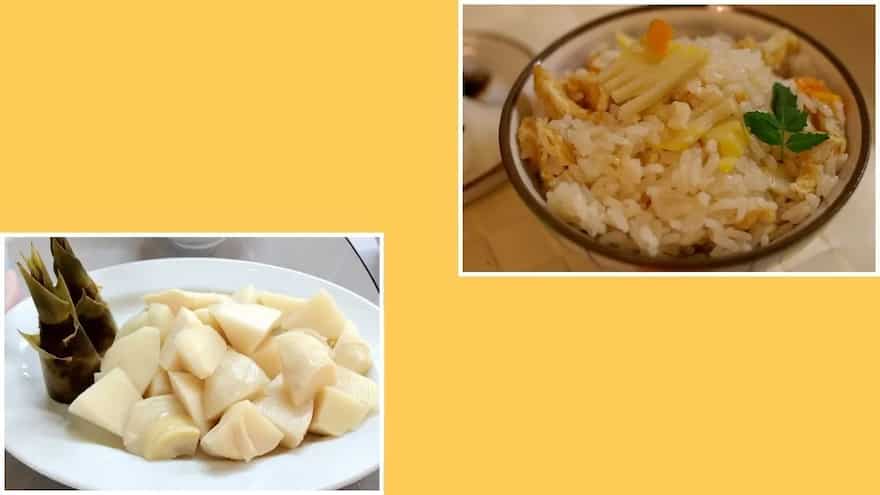
Traditional cooking methods — especially boiling and fermenting — significantly reduce these compounds.
This is where ancestral knowledge quietly outpaces trend cycles. Communities that have eaten bamboo for generations have long known how to treat it safely.
There have also been concerns about trace heavy metals in some samples, though levels typically fall within safety limits. As with many plant foods, sourcing and soil quality matter.
Sustainable and Seasonal
Beyond health, bamboo shoots tick another box: sustainability.
Bamboo grows rapidly, requires relatively low inputs, and regenerates quickly. In an era of climate anxiety and resource strain, foods that are both traditional and environmentally resilient deserve attention.
Fad or Fab?
So is bamboo shoot just another Instagram-era “superfood,” destined to sit beside chia seeds and forgotten detox teas?
Or is it something far simpler — and more meaningful?
The truth is, bamboo shoots are neither trend nor gimmick. They are an ancient food being rebranded for modern wellness culture.
In cities, they may feel new. In forest communities, they are routine. In research labs, they’re “promising.” In kitchens across Northeast India, they’re dinner.
Maybe the better question isn’t whether bamboo is a fad or fab — but why we need Western validation before recognising the value of foods long embedded in our own culinary histories.
Sometimes, what looks like the next big thing is just an old story, patiently growing back.




