


 Share
Share

You crack an egg open, heat the pan, add a little oil to it and still, the egg sticks beneath. The whites tear, the yolk breaks, spoiling your mood, and suddenly, what you liked was a neat fried egg, but what you get is scrambled instead. Fried eggs stick for very specific, very curable reasons, and most of them have nothing to do with fancy cookware or any chef secrets.
Eggs are light and delicate, but they are also surprisingly sticky. Their proteins react quickly to heat, and even to temperature changes you often notice. One small mistake, like the pan being too cold, the oil being added too late, impatience with the spatula, and the egg decides to stick to the surface. Once you know why this happens, making a perfect fried egg is less about luck and more about timing, temperature, and a few wise habits you can count on.
Make Sure The Pan Is Hot
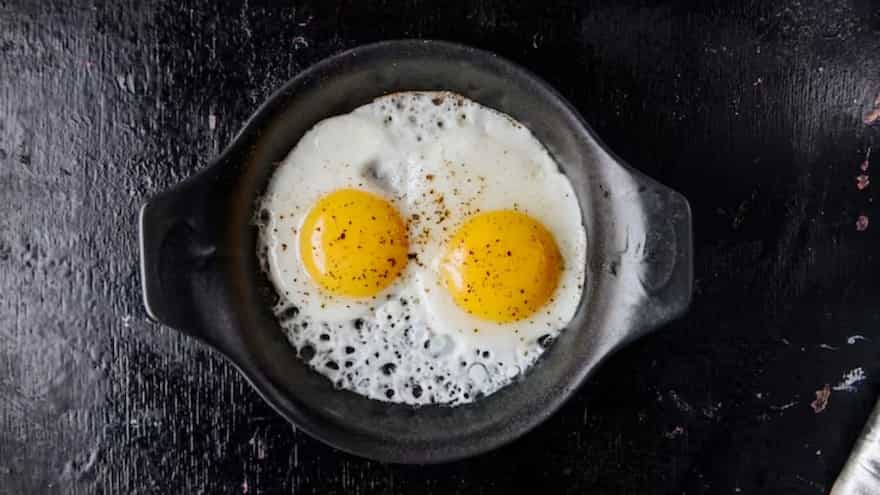
Eggs often stick to the pan if the process is rushed. When a pan is not hot enough, the egg’s proteins slowly unfold and connect directly to the metal surface like glue. A properly heated pan makes instant steam the moment the egg hits, making a thin cushion that prevents it from sticking. That sizzle you see is not just the sound, but it’s science. Without it, the egg just settles into the pores of the pan and refuses to come out later.
Pro tip: Let the pan get heated nicely once, then add oil to it and then the egg, not everything at once.
(Image credit: Freepik)
You May Be Using The Wrong Oil
Not all oils act the same when heated. Butter burns too soon, olive oil can smoke, and too little oil can make dry contact between the eggs and the pan. Eggs require a fat that remains stable and covers evenly; otherwise, proteins stick onto exposed metal. Think of oil or fat as a non-slipping mat between the pan and egg. If it breaks down or vanishes, the sticking has to happen, no matter what.
Pro tip: Use ghee, neutral oil, or a butter oil mix for better coverage and that non-stickiness.
Your Non-Stick Pan Might Be Old
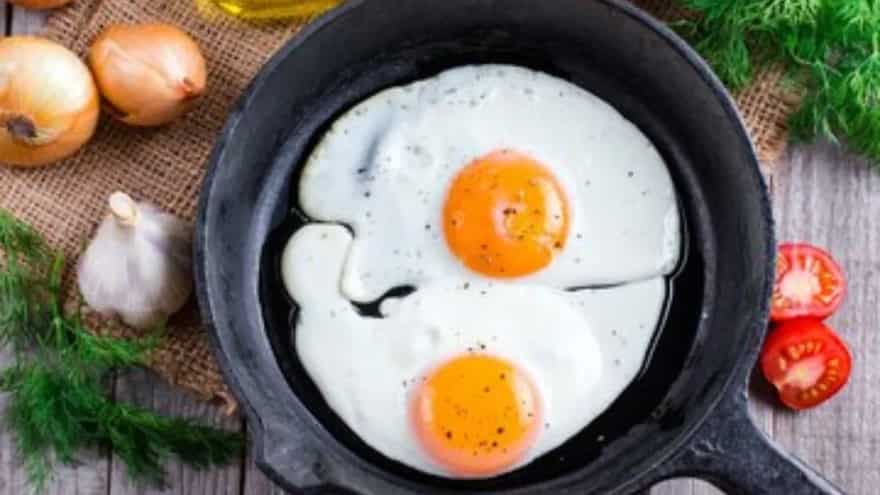
Non-stick pans do not just say they have turned old, but they simply start making things stick to them. Scratching, overheating, and harsh scrubbing remove the coating and expose tiny rough patches. Eggs are soft but sticky; they stick onto these microscars immediately. What used to slide now clings, tears, and irritates.
Pro tip: If eggs stick even after adding sufficient oil and heat, the pan is the real culprit here.
(Image credit: Freepik)
Flipping It Too Soon
An egg that sticks often means it has not yet finished cooking beneath. As the egg cooks, proteins tighten and they naturally release from the pan, but only if you wait. Force it too soon, and you tear the egg while it sticks harder. When the egg is ready, it will loosen on its own. If it sticks, it is not done yet.
Pro tip: Gently check by trying to flip from the edge. If it slides, it is ready to flip.
Using The Cold Eggs
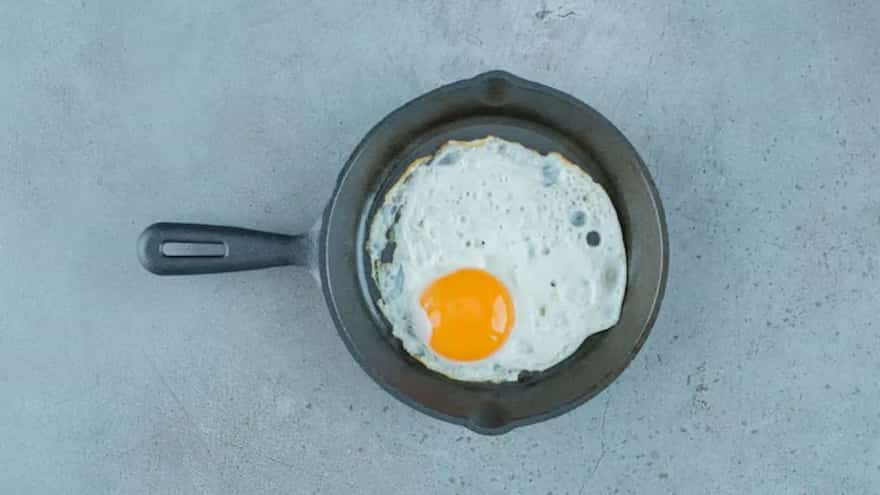
Dropping fridge-cold eggs directly on a hot pan can cause uneven cooking. The sudden temperature contrast makes proteins hold too quickly, expanding their grip on the pan before the oil can do its job. This shock response is slight but real, particularly on steel or cast-iron pans. Room-temperature eggs cook more evenly and release better.
Pro tip: Take eggs out 10 minutes before cooking from the refrigerator for smoother frying.
(Image credit: Freepik)




