Share
Share

Plastic containers are a convenient food storage option, but not all foods are safe enough to be stored in them. Certain ingredients present in food can react with plastic, leading to chemical leaching that can affect both the taste of the food and its health implications. Acidic, oily, or hot foods are specifically risky to store in plastic containers, as they can discharge harmful substances such as BPA or phthalates into your meals. Apart from this, plastic containers get the food odours, stains, or flavours, which affect the freshness of the food over time. Picking the right storage method not only keeps the nutritional quality and taste of your food unchanged but also protects your health and fitness.
Glass, stainless steel, or ceramic containers are safer food storage options. Learning which foods should be avoided to store in plastic storage helps in preventing contamination, keeps the flavours as it is, and guarantees safe consumption, making food storage both helpful and mindful.
Tomatoes
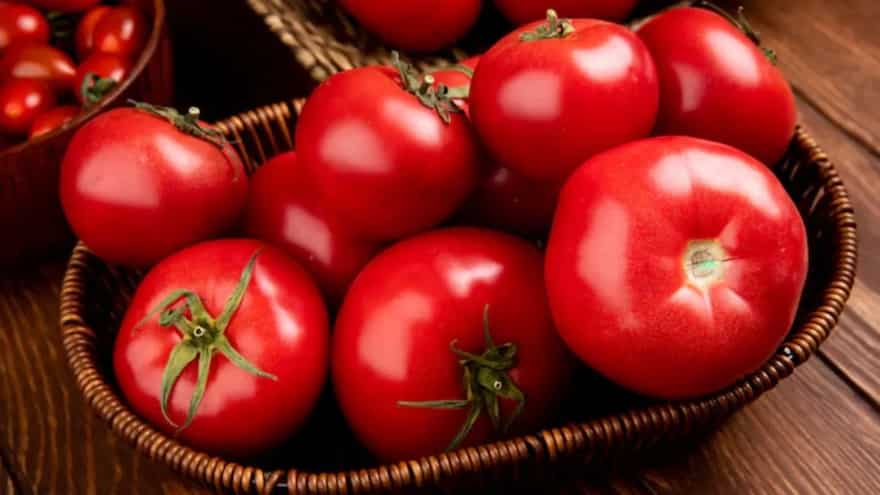
Tomatoes are acidic in nature, and when stored in plastic containers, they can cause chemical leaching from certain plastics into the food. The acid reacts with plastic, which can change the flavour and can release harmful substances. Over time, it can also affect both taste and safety. Glass, stainless steel, or ceramic containers are better storage options, as they do not affect the freshness of the tomato, its natural flavour, and nutrient value. Using plastic to contain tomatoes is risky if being stored for a longer duration or if exposed to heat.
Hot, Warm Foods
Putting hot or freshly cooked foods straight into plastic containers can release toxins such as BPA and phthalates into the food. The heat of the food increases the chance of chemical transfer from the plastic into the food. Not only this, but hot food can also bend or damage the container. Before storing the food, let it cool first and then place it into glass or stainless steel containers, as it is a much safer option that preserves both the quality of the food as well as your health. Storing in steel or glass containers also helps in maintaining the goodness of the container, as plastic containers begin to look stained and unsightly after a few uses.
Oily, Fatty Foods
Foods like curries, gravies, or fried items can spoil the plastic containers over time. The oil can seep into the box, which causes microplastics or chemicals to mix with the food. Further, plastics can also absorb food odours and stains from oily curries and gravies. Instead, using glass, ceramic, or stainless steel containers keeps the flavour and aroma intact, and the nutritional quality of foods remains unchanged without contamination, which makes the food safer and more hygienic for a longer duration.

Spicy Foods
Spicy foods have acids and oils from chillies and spices that can react with plastic. It not only risks the chemical leaching but can also stain or leave an odour in the container. Long-term storage can even worsen these effects. Glass or stainless steel containers do not react with acidic or spicy ingredients, which keeps the food safe, flavourful, and odour-free while controlling the contamination that could impact both taste and health.
Citrus Fruits, Juices
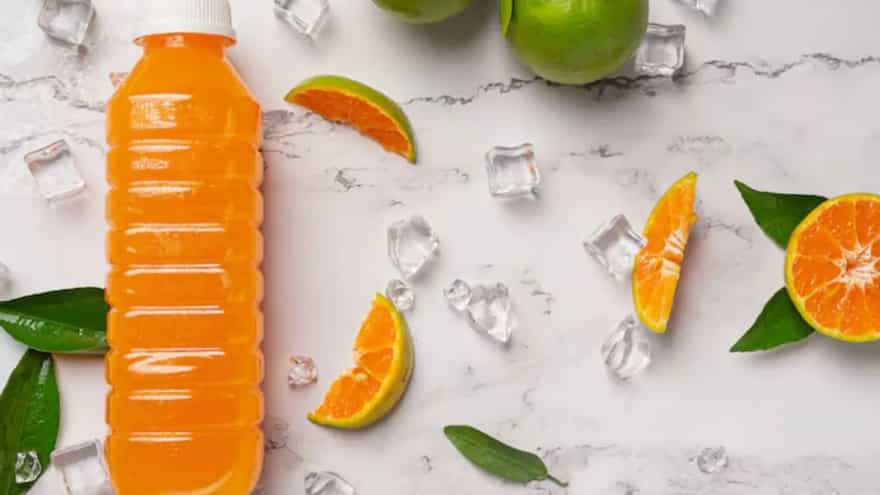
Citrus fruits and their juices are highly acidic in nature, which can react with certain plastics, that can cause chemical migration and spoilage. The acids can also affect the plastic, which can result in cracks or leaks over time. Storing citrus fruits or juices in glass or stainless steel containers guarantees that the flavours stay fresh, the acidity does not affect the container, and harmful substances do not leach into the food.