


 Share
Share

Some food analysts believe sprouted grain could be part of a global approach to improve nutrition. And here we have Ezekiel, a flourless bread made with sprouted wheat. The grains are crushed into a consistency akin to the dough and then baked. Sprouting grains boosts their nutritive benefits. Ezekiel bread is made with nutritious grains. Whole grains are preferable to highly processed grains like white flour. Ezekiel bread contains barley, lentils, spelt, millet, and soybeans. It has no preservatives.
Sprouted bread is prepared from whole grains that have been germinated before being milled into flour. There are several forms of sprouted grain bread. Some have more flour, while others contain additional gluten. Some, such as Essene bread and Ezekiel bread, are created with relatively few added ingredients. Ezekiel has a complex flavour and a solid texture. It's also a comprehensive plant-based protein source, containing all the essential amino acids required by our body.
An ancient recipe
The bread is made with an ancient recipe from the biblical book of Ezekiel. It gets its name from the Old Testament phrase Ezekiel 4:9, which says, "Take wheat and barley, beans and lentils, millet and spelt, and put them in a storage jar and use them to make bread for yourself..."
Nutrition profile
According to WebMD, one slice of Ezekiel bread contains 80 calories, 4 grams protein, 0 grams fat, 15 grams carbohydrates, 3 grams fibre, and no sugar. This bread is high in these nutrients and is a rich source of Niacin (Vitamin B3), Selenium and Manganese.

Ezekiel bread sandwich, Image Source: Foodforlifebaking@Instagram
Better absorption of nutrition
Sprouted grains are low in phytate, which is often referred to as an anti-nutrient. Phytate can inhibit vitamin and mineral absorption, but sprouted grains can increase the absorption of folate, iron, zinc, magnesium, and vitamin C.
Contains anti-inflammatory properties
The sprouting process increases the amount of antioxidants present in cereal grains. The polyphenol family of antioxidants is particularly significant. They reduce inflammation. Usually, up to 90% of polyphenols are inaccessible to the body; however, sprouting increases their availability.
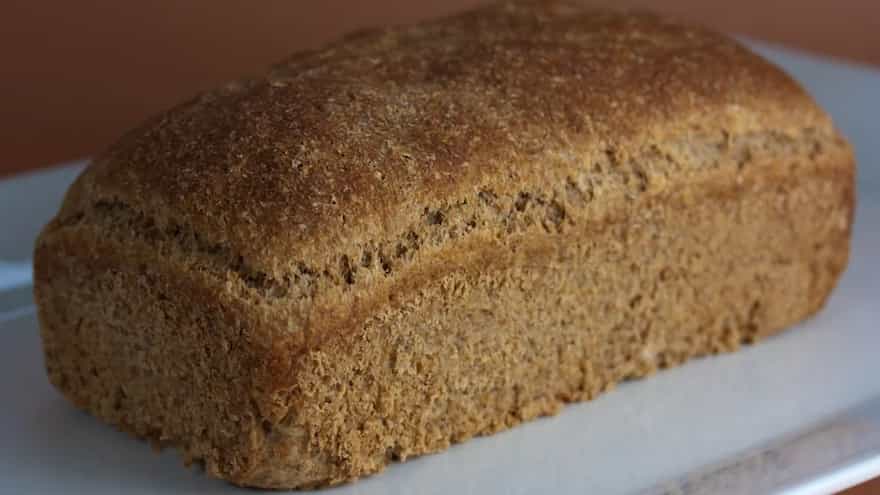
Sprouted bread, Image Source: Wikimedia
Aids in digestion
Starch in grains must be converted into sugars for the body to use them. That process begins with sprouting. Consequently, some people find grains that have been sprouted are easier on the stomach. This could be especially advantageous for the elderly. Sprouting also boosts the protein content of grain and may make it more readily available to the body. The total protein increase is roughly 10%.
Things to remember:
- Ezekiel bread has a lot of carbohydrates. People with diabetes and those attempting to lose weight should consume it in moderation
- It is incompatible with the keto diet
- Ezekiel bread is theoretically flourless but not gluten-free. Those suffering from celiac disease or have gluten intolerance should avoid it.
- While moulds that grow on bread are not as harmful as others, they may create mycotoxins under certain conditions. Cutting out the visible mould isn't enough, as the mould's roots might reach deep into the bread.




