


 Share
Share

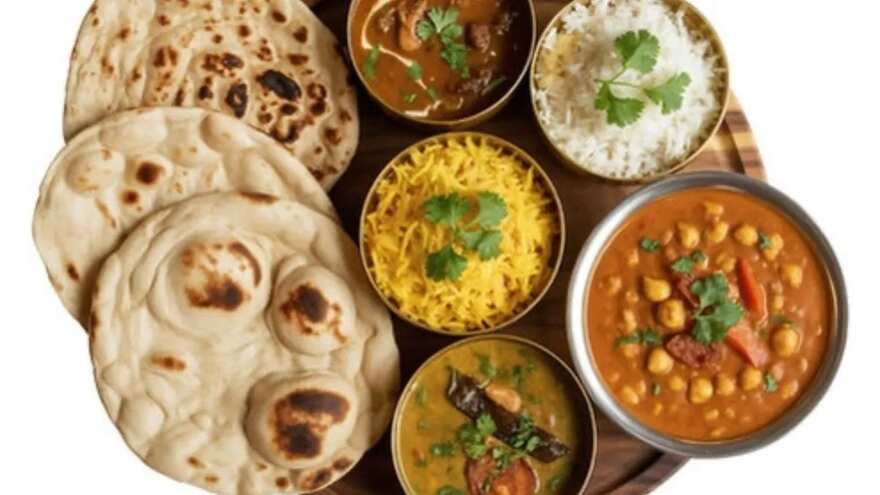
The practice of yoga extends beyond the mat and includes the way food is chosen, prepared, and consumed. Traditional Indian food culture has always recognised the strong connection between diet and wellbeing. The yogic thali reflects this understanding through meals that are balanced in nutrition and simple in preparation. Unlike indulgent festive thalis that celebrate abundance, the yogic thali focuses on lightness, balance, and ease of digestion. Every item placed on the plate serves a purpose, and each choice is guided by the idea that food should help the body remain steady and energised without causing heaviness. By approaching meals with intention, people can experience the link between nourishment and clarity.
The Role of Sattvic Foods in a Yogic Thali
The foundation of a yogic thali rests on the idea of sattva, which in Ayurveda refers to purity, balance, and harmony. Foods considered sattvic include fresh fruits, seasonal vegetables, whole grains, nuts, seeds, milk, and certain spices used in moderation. These ingredients are believed to calm the mind, improve concentration, and sustain physical health. A sattvic meal avoids overly spicy, oily, or processed foods that can disturb digestion or create restlessness. Preparing meals with sattvic ingredients does not mean giving up flavour. Spices like cumin, coriander, ginger, and turmeric are included, but they are used in a way that enhances digestion instead of overpowering the food. The goal is to bring freshness and balance to each item on the thali.
Grains and Pulses as the Core of the Meal
Grains and pulses form the central part of a yogic thali. They provide energy and steady strength throughout the day. Traditionally, rice and whole wheat are common, but other grains like millets, barley, and oats can also be used. Pulses such as mung dal, masoor dal, and chana dal are favoured because they are easier to digest compared to heavier legumes. Cooking methods also matter. Khichdi, made with rice and mung dal, is a classic yogic dish because it is light, nourishing, and soothing for the stomach. Adding ghee in small amounts improves absorption and makes the meal more satisfying. Portion sizes are kept moderate so that the stomach is filled but not overloaded.

Vegetables and Their Place in the Thali
Vegetables bring variety, fibre, and vital nutrients to the thali. The yogic approach encourages eating vegetables that are seasonal and freshly prepared. Root vegetables, gourds, green beans, pumpkin, and leafy greens are often included. Cooking is usually simple, with light steaming, boiling, or gentle sautéing in ghee or oil. Excessive frying or heavy gravies are avoided as they slow down digestion. The emphasis remains on taste that comes naturally from the ingredients instead of depending on rich sauces. Adding a variety of colours to the plate is also encouraged, since it ensures a range of nutrients. Each vegetable dish in the thali plays its part in maintaining balance and nourishment.

Fruits as a Natural Element of the Thali
Fruits are an important part of sattvic eating and often feature in a yogic thali, either as part of the meal or as a separate serving before or after. They provide natural sweetness, hydration, and quick energy without burdening the digestive system. Fresh fruits such as bananas, papayas, apples, guavas, and pomegranates are commonly recommended. Seasonal fruits are preferred because they align with the body’s needs at different times of the year. For example, melons and citrus fruits are cooling in summer, while dates and apples offer warmth in winter. Fruits are usually eaten raw and not mixed with heavy foods, as this ensures easy digestion. A small bowl of fruit salad or a single fruit serving can be a refreshing and nourishing part of the yogic plate.

Natural Flavourings and Condiments
Condiments in a yogic thali are used with care. Pickles and heavy chutneys are usually replaced with lighter preparations such as coconut chutney, fresh coriander chutney, or a simple curd raita with cucumber or mint. Rock salt is preferred over refined salt, and jaggery or honey may be used instead of refined sugar. Ghee remains an important flavouring, but it is added in measured amounts. The focus is to enhance the meal without creating heaviness. Fresh herbs like curry leaves, coriander, and basil can lift the flavour and also add medicinal value. Such condiments help in digestion and keep the palate satisfied without making the plate too rich.

The Role of Dairy and Plant-Based Options
In many yogic thalis, milk, curd, buttermilk, and ghee are included as important sources of nourishment. These foods are believed to provide grounding and support the sattvic quality of the meal. However, for people who do not consume dairy, plant-based alternatives like almond milk, coconut milk, and sesame seed preparations can be used. The idea is not strict adherence to one set of foods but to maintain lightness, balance, and digestibility. Buttermilk with roasted cumin powder is a common addition to a yogic thali because it aids digestion and cools the system after a meal. Including curd or buttermilk ensures that the plate has a probiotic element that supports gut health.
Eating Practices That Support a Yogic Thali
The way food is eaten is as important as what is eaten. A yogic thali is ideally consumed in a calm environment without distractions. Eating slowly and chewing thoroughly helps digestion and prevents overeating. Meals are usually taken at regular times, with lunch being the heaviest and dinner kept light. Drinking water before or after meals instead of during them is also suggested, as it supports digestive strength. Many people prefer to eat sitting on the floor with the plate in front of them, which is said to help posture and improve focus during eating. These practices ensure that the benefits of the thali go beyond nutrition and extend into mindful living.




