


 Share
Share

Cooking oil has become one of the biggest kitchen expenses over the last few years. From sunflower and mustard oil to groundnut and blended oils, prices have remained unpredictable due to multiple reasons at present. Global crude oil and fuel price hikes have increased the transportation and packaging costs, whereas climate-related crop damage, import dependency and international supply disruptions persist to affect the edible oil markets heavily. India imports a large amount of its edible oil, so even global shipping or fuel changes impact everyday kitchen budgets.
For families that cook multiple meals on a daily basis, even a little heavier oil use now feels evident by the end of the month. But lowering the oil consumption is not only about saving money anymore. During intense summers, oily meals can also feel a bit heavier even on the digestion, particularly in homes where rich curries and fried snacks are cooked on a daily basis. The good news is that cutting down on oil does not mean eating bland or unsatisfying food.
Many Indian cooking methods naturally make flavour through roasting, steaming, pressure cooking and careful layering of spices rather than depending totally on excess oil. Sometimes, small kitchen habits make the biggest difference without altering the taste you actually enjoy eating daily.
Use Water While Cooking Masalas
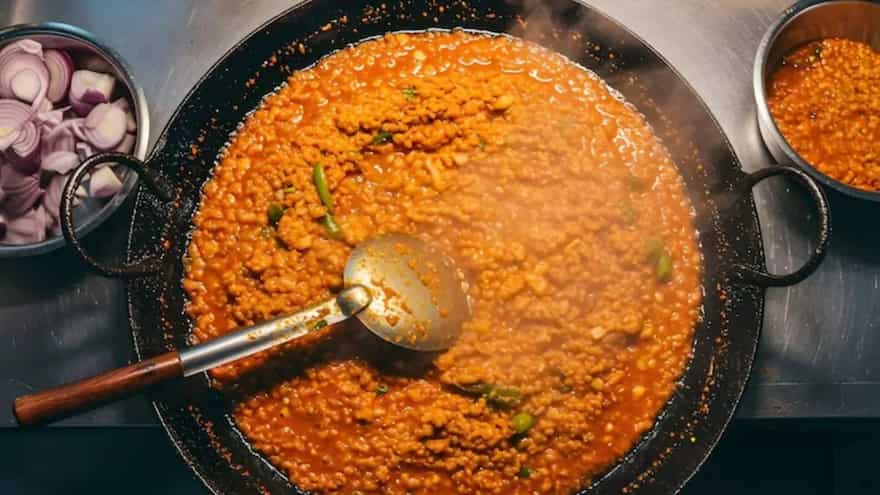
Many Indian recipes start with heavy oil for frying onions, tomatoes and spices correctly. But rather than repeatedly adding oil while cooking masalas, add small splashes of hot water in between. This prevents the sticking while still letting the masala cook. Tomatoes release their own moisture as well, which helps to cook further.
The flavour still makes properly without requiring extra tablespoons of oil. This trick works especially well for dal tadkas, sabzis and everyday gravies where the final consistency matters more than the visibility of oil floating on top.
(Image credit: Freepik)
Roast Ingredients Before Grinding
Instead of frying masalas directly in oil-heavy gravies, dry roast ingredients like coconut, peanuts, sesame, coriander seeds or onions before grinding them to make the pastes. Roasting naturally deepens the flavour and adds richness without depending totally on oil. South Indian and Maharashtrian kitchens often use this trick in curries and chutneys.
When roasted ingredients are blended, the gravy tastes fuller and nuttier, even with the use of less oil. It also prevents dishes from feeling oily during summer while still maintaining a satisfying and restaurant-like taste.
Switch To Smaller Tadkas
Large tempering spoons that are full of oil are often added automatically without knowing how much it gets used daily. Rather, start making smaller tadkas using just enough oil so that the mustard seeds, cumin, or curry leaves crackle properly. Strong aromatics such as garlic, hing, ginger and green chillies naturally spread flavour throughout the dish, reducing the reliance on excess oil.
Many people notice they hardly miss the difference after a few days. Smaller tadkas work particularly well in dals, khichdi, curd rice and vegetable stir-fries made regularly at home.
Steam Or Boil Before Pan Cooking
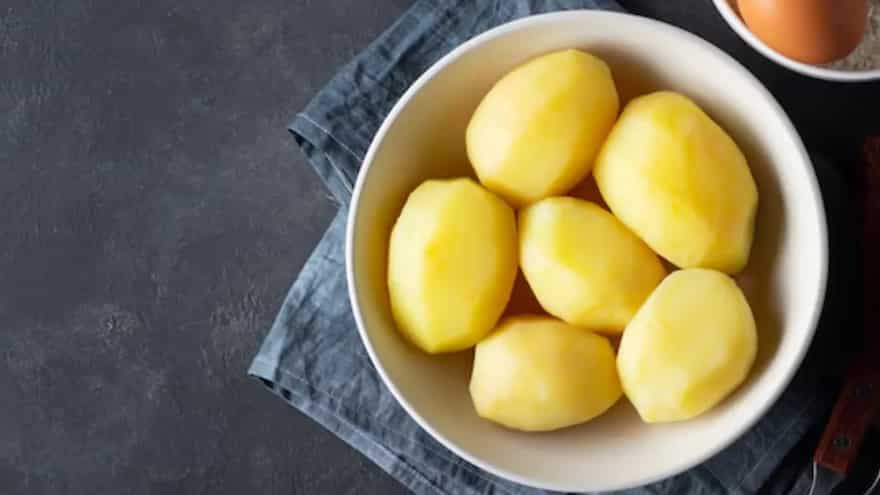
Vegetables such as potatoes, arbi, bhindi or cauliflower often soak up excessive oil while cooking instantly in pans. Instead, partially steam or boil them before cooking. Once it has turned soft a bit, they need far less oil to finish the cooking. This also speeds up the cooking time extensively during busy mornings.
For example, pre-boiled potatoes crisp up with little oil, while partially steamed bhindi cooks much faster without endless oil add-ons. The texture remains enjoyable while the final dish feels much lighter, less oily and easy to eat during the hot weather.
(Image credit: Freepik)
Use Wider Pans Instead Of Deep Kadhai Cooking
Deep kadhai cooking often enables adding extra oil because ingredients stack up unevenly and stick closed. Wider pans or flat tawas spread heat more evenly, letting vegetables and masalas cook nicely with far less oil. Ingredients caramelise much faster because more surface area touches the heat directly.
Even simple sabzis such as beans, cabbage or paneer bhurji start tasting much better with this approach. Many home cooks unknowingly reduce the oil usage significantly simply by changing cookware instead of changing the entire recipe or flavour profile.




