


 Share
Share

For Bengalis, Durga Puja has always been as much about eating good food as it is about dressing up, meeting friends, and moving from one pandal to another to view creative and traditional Durga pratimas (idols). And the familiar culinary pleasures remain irresistible: an ongoing phuchka competition with family members on a crowded pavement, a hot and spicy chicken kathi roll wrapped in paper, a cone of jhalmuri eaten between two pandals, or a late-night biryani dinner after extensive hours of walking and travelling. Yet nowadays, the way people approach their festive Pujo meals is changing.
Alongside the charm of street-food stalls and old neighbourhood eateries, contemporary cafés have become part of the Puja itinerary, offering everything from elaborate coffee menus to burgers, pasta, steaks, and ingenious takes on Bengali favourites. So, this October, as Kolkata prepares for another round of festive feasting, an interesting contest is bound to emerge. Will the city's food lovers return to the old-school cabin, with its cutlets, chops, and honest, humble appeal, or choose the contemporary café, where the meal is as much about the setting as well as the quality of the food? The answer depends on what kind of Puja outing you and your group have in mind.
Cabin Culture: The Taste Of Old Calcutta
Kolkata's cabin restaurants remain among the more inexpensive places to eat in Kolkata, excluding street joints. They belong to a distinctive and nostalgic chapter of the city's social and culinary history. As documented in the heritage publication My City My Heritage – Kolkata, these establishments became popular in the early twentieth century, mainly in north Kolkata. Their curtained or partitioned dining spaces offered customers (as well as yesteryear freedom fighters) a degree of privacy at a time when eating out was becoming an important part of urban Kolkata social life.

Image credit: Wikimedia Commons
Akin to its interesting history, the food tells a story of its own. Fish fry, chicken or mutton cutlets, kobiraji, egg devil and mochar chop reflect the city's long-time experience with European cooking techniques and their adaptation to local Bengali tastes. The result is neither strictly European nor conventionally Bengali, but it is unmistakably Calcuttan. During Puja, this kind of menu makes a lot of sense. After all, after emerging alive and intact from a truly crowded and really iconic pandal, few things taste more satisfying than a crisp piece of fish fry along with some kasundi sauce.
Such familiar and hearty dishes do not require much elaborate presentation. A cosy bhar or kulhad of tea or coffee, a plate of Bengali fried snacks, and leisurely, lively conversation can make the entire experience feel like a continuation of the Pujo outing rather than a moment of pause from fun. There is also a practical advantage.
Traditional cabin menus mostly offer a straightforward approach to food and dishes, often in practical portions, that make it easy to eat without committing to the extended, elaborate meal that a café visit can become. For groups that are hopping between pandals, this can be a welcome convenience, especially during evenings that are already governed by traffic, queues, and ambitious plans.

Image credit: Wikimedia Commons
Cafe Cuisine: The New Puja Meeting Point
Contemporary cafés appeal to a different festive mood and set of cravings. For younger groups, couples, families, and friends who want somewhere comfortable yet classy to sit down between excursions, modern cafés offer a more varied experience than just a quick snack stop. Coffee, iced beverages, sandwiches, burgers, pasta, desserts, and plated meals allow all kinds of groups to find common ground, despite different food preferences and appetites. The café experience also extends beyond the menu.
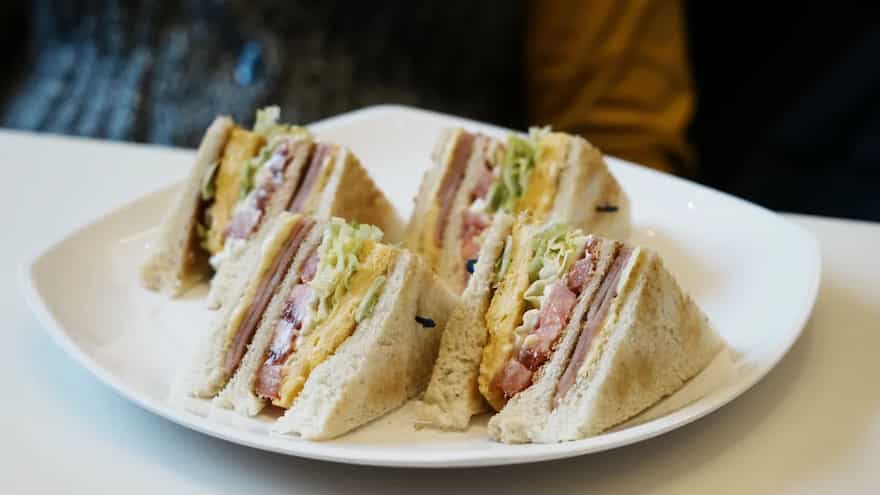
Image credit: Pexels
Thoughtful interiors, comfortable seating, and a setting ideal for aesthetic photographs make these places really attractive meeting points during a festival when friends may be visiting the city after years or catching up after spending months apart, despite being in the same state. Unlike a short stop at a cabin, a café visit can become the main event of your day or evening; it can multitask as a place to rest, talk, share desserts, and decide which pandal to visit next. Plus, opting for contemporary café cuisine does not necessarily mean you have to abandon Bengali flavours.

Image credit: Pexels
Traditional dishes are finding their way into modern formats in the form of fusion cuisine. There is no universal right or wrong about it. For some diners, a familiar preparation has to be preserved authentically, while others may be more open to a fusion dish that offers a fresh way to encounter regional Bengali food. That tension is even more relevant during Puja, when nostalgia and experimentation coexist. A café that understands Bengali tastes without reducing them to mockery or mere novelty does appeal to diners who are looking for something beyond the standard festive menu.
Ambience, Dishes And Budget: How Do They Compare?
The most obvious difference between cabins and cafes is the atmosphere. Cabins like to trade in familiarity, chaos, bustle, and a sense of nostalgic continuity. Their compact interiors and modest furnishings are part of their appeal. In contrast, cafés tend to make comfort and presentation central to their overall experience. Neither is better: the right choice depends on whether you want a quick, characterful stop or a place to linger. The food offers another clear distinction at this stage. Cabins excel at established snacks and fried favourites, with recipes that have earned their place in the city's culinary memory.
On the other hand, cafés usually offer more diverse menus, often spanning international dishes, contemporary comfort food, fusion dishes, speciality coffee, and desserts. So, a cabin is a natural choice for a fish fry or kobiraji, while a café may suit a group that is divided between pasta, a burger, a cold coffee, and cheesecake, and wishes to have it all under one roof. However, it is the budget that requires a little more thought. Cabins are usually associated with affordable eating, and cafés are commonly more expensive, especially when several drinks, mains, and desserts are added to the bill.
There is no reliable universal price comparison between the two categories, so checking the menu before visiting is always more precise and useful. Suitability matters just as much. A cabin is ideal for diners who value classic Kolkata snacks, a quick meal, and a strong sense of local food culture. As for cafés, they are better suited to a longer break, a mixed-age group seeking varied options, or friends who desire the meal itself to be a destination. During peak Puja hours, availability and waiting time may also ultimately matter more than the category of the restaurant.




