


 Share
Share

Russian President Vladimir Putin’s visit to India on 4–5 December 2025 unfolded with a series of gestures that carried more cultural weight than the formal press moments suggested. The exchange of gifts and the state dinner became the clearest windows into how India presented itself during the visit. The gifts drew from literature, craft and agricultural geography. The banquet drew from regional kitchens, seasonal vegetables and established culinary traditions. For a visit led by hard political negotiations, the softer elements inconspicuously took centre stage. They shaped a narrative about India through taste, texture, material craft and symbolic offerings, and some choices carried heavier meaning than others.
The Menu And What It Set Out To Show
The state banquet, prepared by the kitchen at Rashtrapati Bhavan, was fully vegetarian, following a format commonly used for visiting heads of state. The menu pulled from Himalayan, northern and central Indian dishes, meticulously pairing comfort-oriented preparations with items that highlighted regional produce.
Vegetable jhol momo brought in the eastern Himalayan cooking tradition, allowing the menu to extend beyond the plains. Its inclusion showed how Indian state meals often incorporate border-region foods, not just mainstream staples.
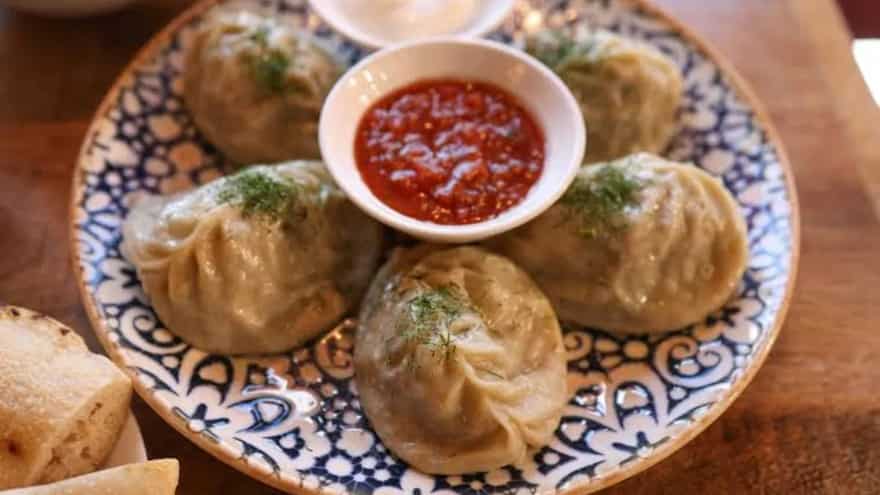
Image credit: Pexels
Kaale chane ke shikampuri introduced a legume-based preparation associated with slow, spiced cooking, linking the banquet to established north Indian culinary styles. Its presence simply reflected a regional dish suited to formal dining.
Gucchi-based dishes stood out because Himalayan morels are one of the country’s most valued fungi. Their appearance highlighted a high-altitude ingredient known for rarity and strong culinary reputation.
Achaari baingan illustrated the depth found in everyday Indian cooking. Built on mustard, fenugreek and nigella, the dish demonstrates how household spice logic can function in formal dining. Its acidity, derived from pickling spices presented a flavour profile that is distinctly north Indian.
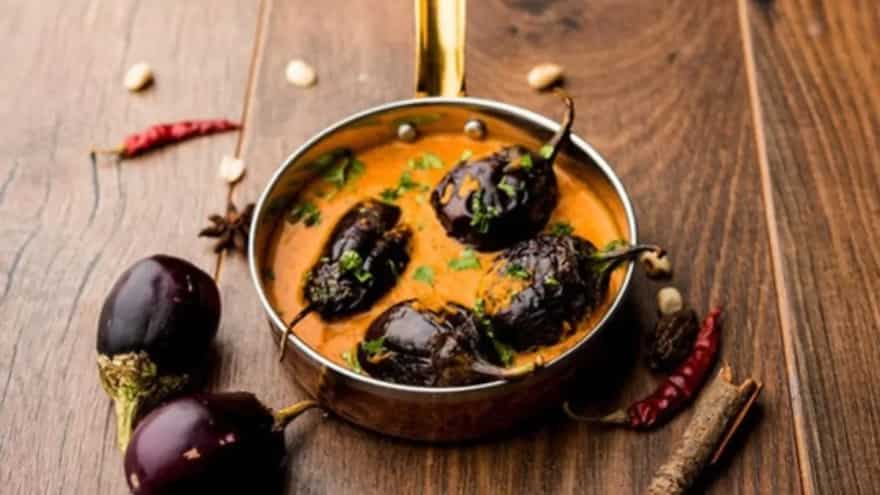
Image credit: Adobe Stock
Dal tadka represented the opposite end of the culinary spectrum: a simple dish with enormous cultural presence. Serving it in a state banquet acknowledged the legitimacy of staple foods in national self-presentation. It turned an everyday preparation into a marker of shared culinary identity.
Zafrani pulao offered saffron in a cooked form, saffron being a part of the diplomatic gifts as well (more on that later). In diplomatic terms, this reinforced continuity: it demonstrated that the ingredient given as a symbolic object also functions within India’s living culinary repertoire.
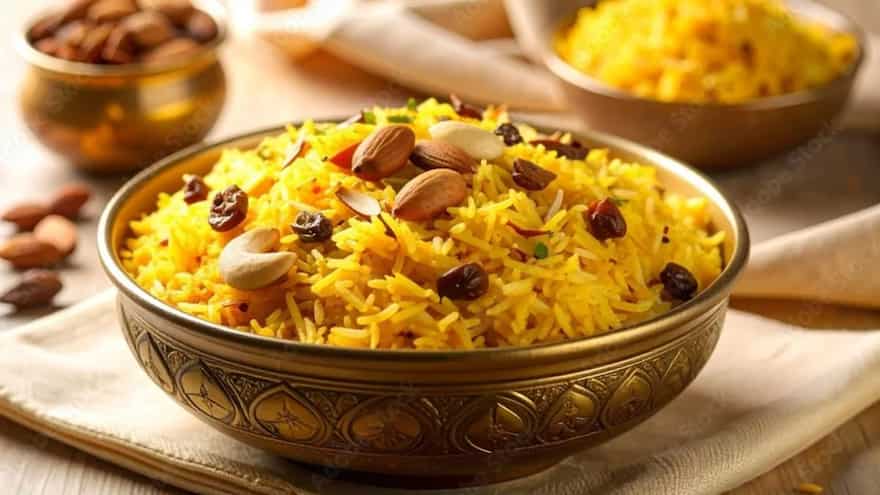
Image credit: Adobe Stock
The dessert course, which included badam halwa and kesar-pista kulfi, kept the tone traditional and familiar, closing the meal with items recognised across India.
The dishes generated a coherent map of Indian food cultures: jhol momo connecting the Himalayan east, shikampuri engaging with legume-centred traditions, gucchi dishes highlighting rare, high-value fungi from the mountains, and saag-based preparations referencing the agricultural bounty of the plains.
Gifts And Cultural Framing
India’s gift set brought together a mix of literature, agriculture and craft. The most prominent item was a Russian-language edition of the Bhagavad Gītā. This type of literary gift appears in several diplomatic contexts because it signals intellectual heritage rather than commercial value. In this case, it also shaped the religious frame of the visit by placing a Hindu philosophical text at the centre of India’s self-presentation. It introduced a specific cultural reference point, and it is clear that this choice positions India through a text that has both religious and historical weight.
Alongside the book, the government presented Kashmiri saffron. Here, the symbolism is stronger and more layered because the region is internationally recognised as disputed, and saffron is one of its most documented agricultural products with a GI tag. Including it in the gift set inevitably anchored the visit in a narrative where India foregrounds Kashmir through an ingredient with long-recorded prestige. Saffron stands at the intersection of craft, land and history; in a diplomatic setting, it inevitably contributes to how Kashmir is represented internationally. While the gift cannot alter political realities, the gesture used food to reaffirm India’s connection to the region in a setting where every item is scrutinised. It is a subtle but pointed form of cultural positioning, achieved through an ingredient whose provenance is already established.
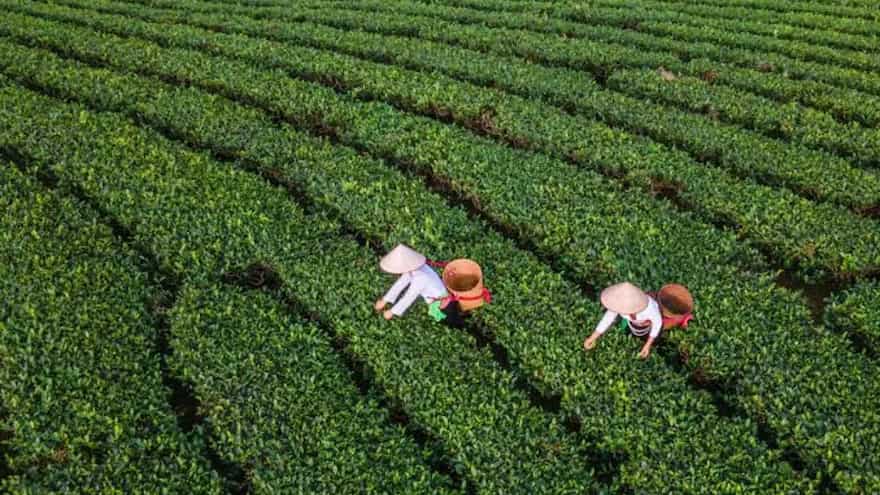
Image credit: Pexels
The other agricultural gift, Assam tea, operates differently. Assam tea also has a clear GI status and a recognised presence in global markets, however, in this context, it served as a straightforward representation of India’s agricultural strength without carrying the territorial implications present in the saffron. It highlighted origin, quality and history, and remained within the boundaries of culinary presentation rather than political messaging. This form of signalling is widely used in statecraft: it positions the nation through items that are internationally legible and commercially established.
The inclusion of Murshidabad silverware strengthened the craft dimension of the exchange. The region’s metalwork tradition has been documented for generations, and these objects added a material counterpart to the food-based gifts. They represented skill, continuity and the value placed on hand-crafted objects in state settings.
Together, the gifts formed a coherent set: literary symbolism, contested-region signalling through saffron, geographically anchored agricultural identity through tea and a display of artisanal technique.




