


 Share
Share

Mumbai has always been shaped by the flow of people, products, and traditional trades that became part of daily life. Neighbourhoods developed around mills, markets, and tiny, family-run businesses that silently advanced history long before glass buildings and congested roads. The past still manifests itself in everyday ways in places like Lalbaug, tucked away in small roads and amid morning rushes. One such area is Masala Galli, where trade has persisted for decades, ingrained in the everyday rhythm of the city and based more on habit than nostalgia.
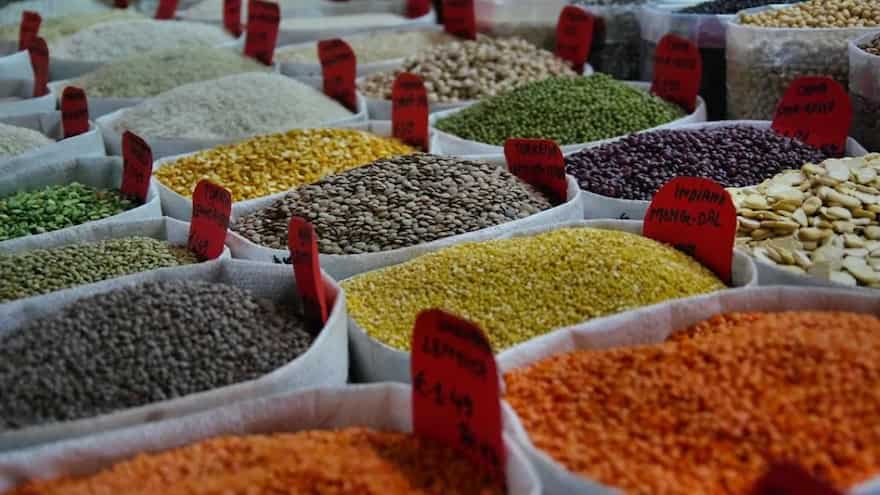
Image Credit: Pexels
There's a gentle cadence to the labour at the spice shop counter. Without breaking a beat, cash is counted, greetings are given, directions are sent, and spices are weighed. Decades of everyday trading have formed the shop's habits and experience. Ashok Khamkar and Sons, the oldest spice shop in Lalbaug, has seen generations come in with their own views of the ideal masala. People talk animatedly to the helpers, describing in detail how harsh the heat should feel or how fine the grind should be. The husks of red chiles are sifted in cane baskets, temporarily rising and then falling again. Locals say this is still a quiet day; weekends and the Shravan season bring crowds that spill out into the lane.
Also Read: 6 Quality Misal Pav Places In Mumbai
This is Lalbaug. Frequently associated with Lalbaugcha Raja, the imposing Ganpati idol that characterises South Mumbai's monsoon season. However, there is another type of legacy that goes beyond the well-known pandal. Located in the centre of the neighbourhood is Masala Galli, also called Mirchi Galli. Over twenty-five spice businesses border the small alleyways of a few busy roadways. Everywhere you look, the space is bursting with colour and scent. Dried coconuts lie split open in tidy arcs, turmeric dries in rich yellow heaps under the sun, and gunny bags brim with various types of chiles. Tradition is metered out by the kilogramme, and the senses take the lead.
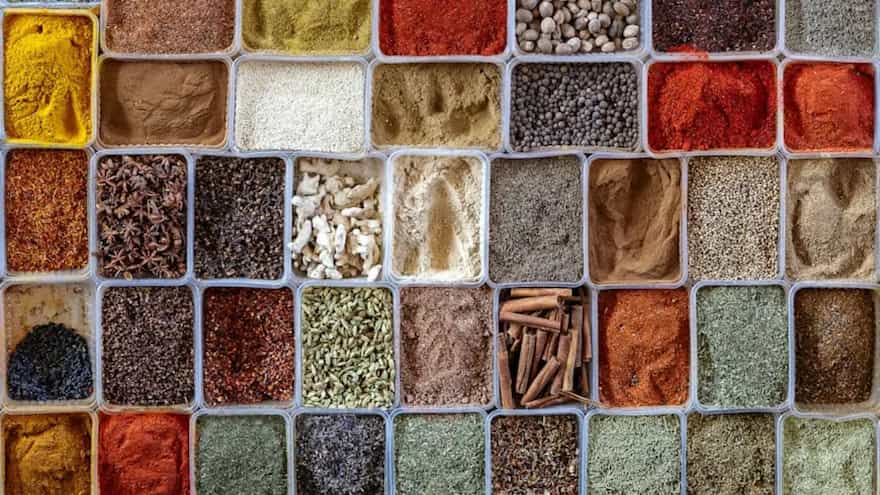
Image Credit: Unsplash
The Spice Roots Of Mumbai’s Masala Galli
It's rather clear who started it all after taking a stroll through the galli. The location just at the entry is owned by Ashok Khamkar and Sons, formerly known as G.W. Khamkar and Sons. They were all about khada masalas, the complete spice variety, when they first started back in 1933. Lalbaug was once a legitimate mill district. Mill workers shared restrooms and hallways in their little chawls, which only had one or two rooms. Shops selling chiwda, masalas, and other delicious foods appeared because these folks enjoyed rice and spices, both for everyday meals and special occasions. The store still produces whole spices, grinds them fresh, and even offers packaged goods under the Khamkar brand.
The first store grew over time and opened more Khamkar locations throughout the Galli. These days, a separate family member runs each store. For freshly ground masalas to take home, people stop by every few months, sometimes even just once a year. Each store in this area has its own proprietary masala recipes that are passed down through the family chain and recorded in old ledgers.
Customers simply specify what they want, and the masala is prepared immediately. Special Malvani masala (spicy coastal style), garam masala, onion-garlic paste masala, chicken-mutton masala, sambar masala, tandoori masala, and pav bhaji masala are all available. Basically, you have a mood, and you have that exact spice made for you instantly.
Art & Science Of Spicing It Up
All of the recipes are essentially memorised by the assistants. On these lengthy, antiquated bill forms, they jot down the customer's name, the type of masala they want, the price, and the precise quantity of each ingredient. Even the last name is important. According to the new Khamkar store down the street, a lot has changed over time.
Making a masala in the 1970s and 1980s required five days of labour. Locals and mill workers would purchase the spices, sun-dry them on their rooftops, and then return them to us for grinding. Back then, they used chakkis, but that kind of burned the natural oils and gave the spices a bitter taste. Right now? All have switched to full mech, utilising these enormous devices known as dankhis. They are essentially enormous mortars and pestles. Way faster, and the spices actually taste right.
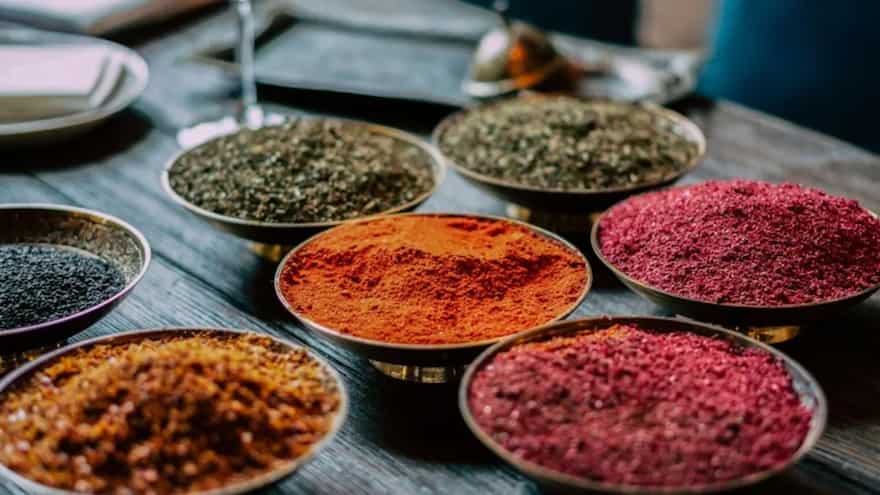
Image Credit: Unsplash
The store is filled with a wide variety of whole spices from all around India. The galli has five types of mirchis—Kashmiri, Byadagi, Reshampatti, Pandi, and Lavangi. Garam masalas like nutmeg, cardamom, cloves, and bay leaves mostly come from Kerala. Other stuff, such as coriander seeds, fennel, and cinnamon, travels from Indore, Rajasthan, and even Vietnam, before landing in Mumbai. Everything gets checked, cleaned, and then goes on the shelves.
The roasting area is accessible by a dark corridor that winds around the store. In a corner are bags of whole spices that have been packaged and labelled for consumers. At gigantic kadhais, men pour ghee, roast turmeric, bay leaves, and cinnamon, and then gradually fold in the remaining ingredients. A fragrant mound is created when the arms move back and forth, fanning the spices to distribute the heat evenly. The place has its own rhythm: the air is thick and smoky-sweet from all the roasting, and the chimneys are dark with soot.
The spices go to the dankhis, these enormous machines that pound everything into a gritty, fragrant mixture, after they have been roasted for a while. The person in charge claims that it now only takes three to four hours. People who used to live around Lalbaug might’ve moved to the suburbs, but families keep coming back. Some women make a full day out of it, waiting for their masalas to be ground.
Selling Aromas, Taste & Traditions
The stores also sell smaller packets for everyday use, but behind the scenes, bulk grinding keeps the supply flowing. On a regular day, they crank out 250-300 kilos of masalas, catering to both the walk-ins who want it fresh and the families buying in smaller portions. There’s a reason people keep coming back. They can watch the whole thing, smell the spices, and make sure nothing shady sneaks in. Big brands sometimes cut corners, but here everything’s real, from the chillies to the turmeric.
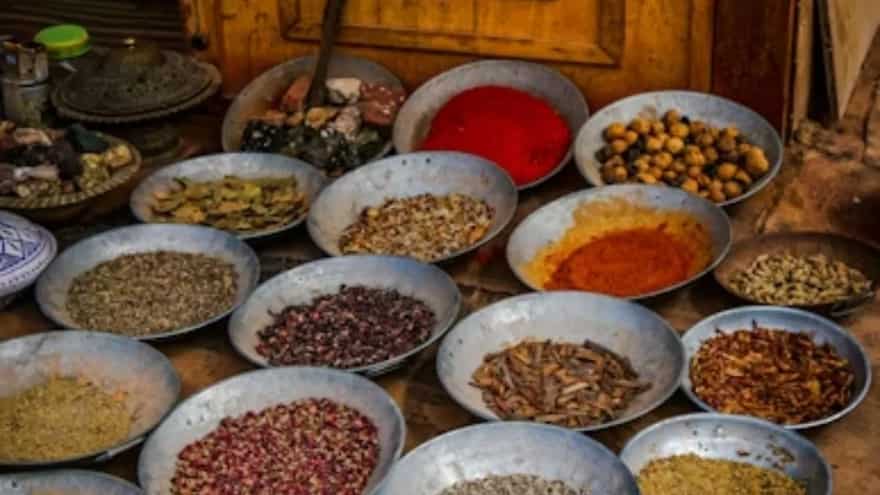
Image Credit: Unsplash
Consumers are incredibly devoted. Grandparents, mothers, and children are all watching to make sure the spices are just perfect. The experience is equally as important as the quality. Touching turmeric, smelling freshly ground masalas, and talking to the assistants is a reminder of childhood kitchens, not some faceless online order.
Masala Galli maintains a human touch despite the introduction of apps, speedy deliveries, and technology. Younger Khamkars are picking up the skills and initially making mistakes with coriander seeds, but they enjoy the rhythm of the business. People are drawn in by the familiar faces, the scents of the roasting area, and the old rituals. Chawls have become towers, mills have gone, but in this little corner of South Bombay, spices still carry memory, trust, and human connection; pounded, packaged, and handed over with love.




