


 Share
Share

Food in India reflects a diverse spectrum of textures and ingredients, and at the core of this culinary map is the thali, a full meal that combines nutrition and variety. According to CRISIL data, the cost of preparing a home-cooked thali in India shows a mixed trend in March, with the vegetarian thali remaining flat year after year and the non-vegetarian thali falling by 1%. The Credit Rating Information Services of India Limited, or CRISIL data, which tracks vegetarian and non-vegetarian thali pricing, shows how inflation and supply variations influence what people choose to cook and consume every day throughout Indian kitchens. The current edition of the ‘Roti Rice Rate’report was released by CRISIL on Friday, 17 April 2026 and to understand what it means, here is a simple breakdown.
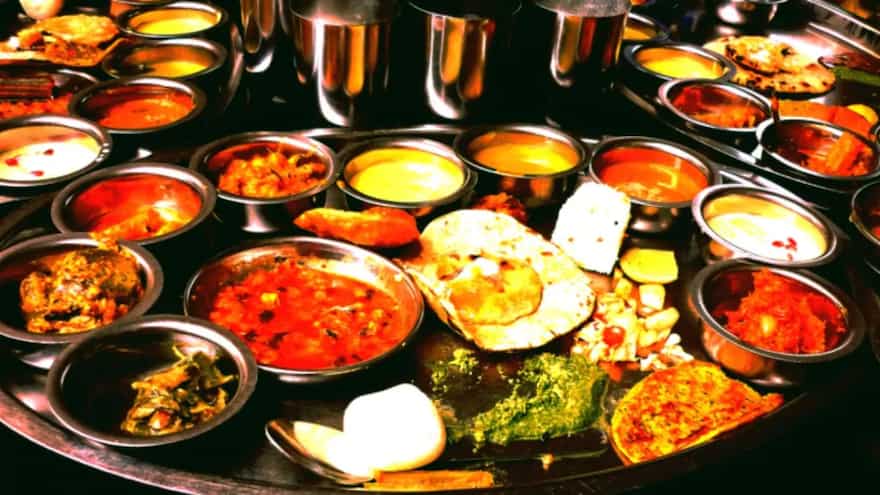
Image Credit: Wikimedia Commons
Understanding The CRISIL ‘Roti Rice Rate’ Report For 2026
The thali cost is based on common products in India, such as grains, dals, veggies, oil, chicken, and gas and in October, veg thali prices fell somewhat, as did non-veg prices. Even with cheaper onions, potatoes, and dals, veg meals remained pricey due to rising prices for tomatoes, oil, and gas. Tomato prices rose dramatically due to agricultural delays in Karnataka and Andhra Pradesh, which impacted supply.
In contrast, onion prices fell 25% due to excess supply from overlapping late kharif and rabi arrivals, as well as lacklustre exports. Potato prices declined 13% due to weak demand from the hotel, restaurant, and catering industry and continued inventory reduction. Tur inventories for the July-June marketing year are expected to be 20% higher, while Bengal gram stocks for the January-December cycle are up 10%, putting downward pressure on prices.
First, there is no universally accepted definition of what a thali should contain. CRISIL’s concept of a vegetarian thali is quite similar to a popular vegetarian lunch across the country. The non-vegetarian thali is more difficult to identify exactly because its contents vary greatly between areas. While CRISIL’s definition of a vegetarian thali is fairly accurate, the projected cost is for a "home-cooked" thali. However, not many workers can eat home-cooked meals every day. This is especially pertinent in the context of long-distance migrants seeking jobs, who are becoming an increasingly important component of India's economic and culinary landscape.
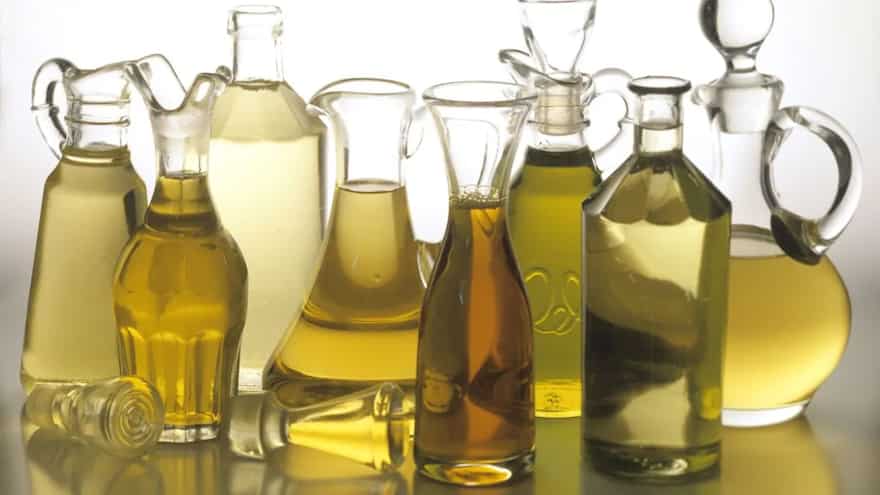
Image Credit: Wikimedia Commons
Crude Oil, Edible Oil & LPG Prices Skyrocketed
Vegetable oil prices jumped 6% year on year due to global supply interruptions, while LPG cylinder prices rose 14%, limiting the total reduction in thali costs. The cost of a non-veg thali decreased mostly due to a 2% year-on-year drop in broiler costs, which account for roughly half of the total cost, as well as lower onion, potato, and pulse prices. Rising crude oil costs resulting from the West Asia conflict have driven up edible oil prices, notably palm and sunflower oil, with global patterns spilling into domestic markets.
Geopolitical uncertainty is predicted to keep vegetable oil prices elevated. Onion prices are projected to continue under pressure in the short term due to heavy arrivals and weak export demand. However, with an estimated decline of 10% in production and reported damage to the summer crop, onion prices are expected to gradually recover in the coming months. The necessity to spend on these products puts a strain on food expenditure, which, combined with food prices, dictates actual consumption options. Households would now have to eat less to earn an income. So, you can believe that starting with food spending data and turning it into a measure of viable food intake is plausible.
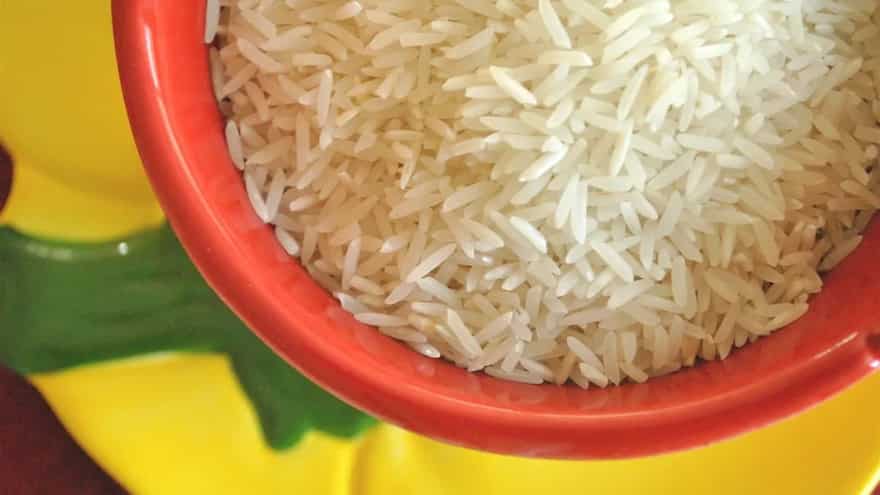
Image Credit: Wikimedia Commons
Middle East uncertainty and potential trade disruptions may dampen demand for basmati rice in the short term, putting downward pressure on prices. Because Iran accounts for almost 18% of India's basmati rice exports and other Middle Eastern countries 55-60%, exporters are concerned about potential logistical issues. "However, non-basmati rice exports, primarily destined for African countries, are unlikely to be affected significantly," said Pushan Sharma, Director, CRISIL Intelligence. He noted that an increase in exports or intervention by the National Agricultural Cooperative Marketing Federation of India (NAFED) might help support prices even more.




